
Andy Warhol’s Daily Work and Creative Blocks
The Andy Warhol DiariesThis thread follows Warhol’s work habits, bursts of productivity, creative uncertainty, and the struggle to keep making art amid social demands.
increasing Bearing strength in each event
 decreasing
Bearing strength in each eventdecreasingA Daily Work Rhythm
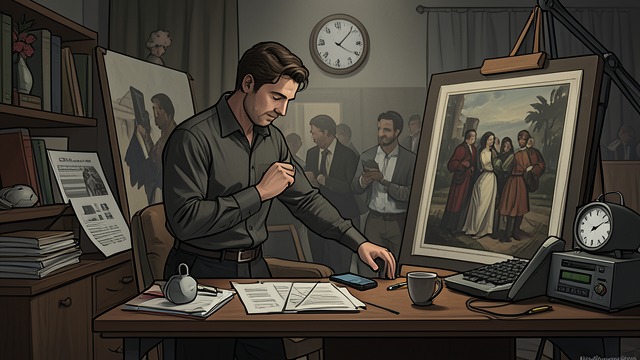
A Daily Work Rhythm
Structured days
Warhol usually moved from morning calls to shopping, office work, painting, and evening events.
The routine helped him sustain an unusually busy life across art, business, and social obligations.
Work among distractions
Visitors, calls, lunches, and employees continually interrupted the process, yet remained part of the office’s creative atmosphere.
Hands-on Painting
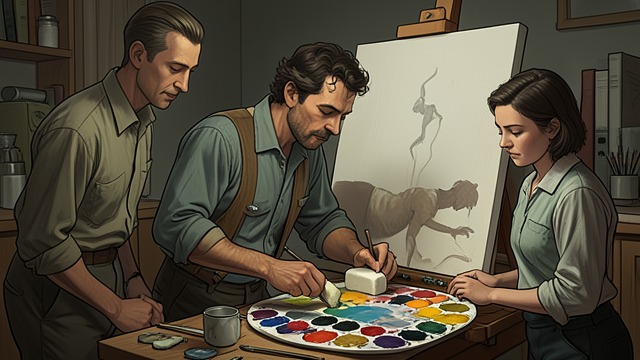
Hands-on Painting
Work remains physical
Warhol painted, traced, moved images, mixed colors, and worked alongside assistants despite his public reputation as a detached Pop artist.
He sometimes used mops, sponges, and other unconventional tools to alter the painting process.
Delegation has limits
Assistants helped prepare and print work, but Warhol remained protective of his own decisions and authorship.
Searching for New Ideas
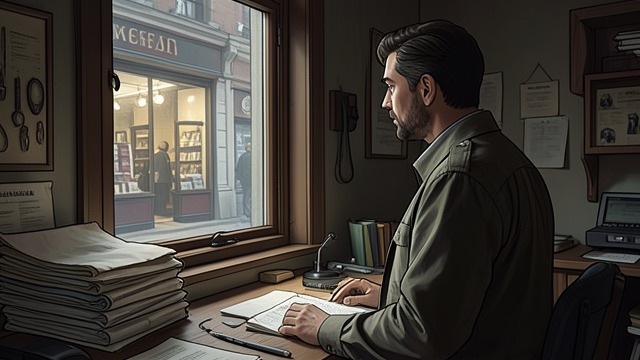
Searching for New Ideas
Looking everywhere
Warhol gathered ideas from shop windows, newspapers, toys, packaging, movies, and conversations.
He often described his practice as noticing things rather than following a planned theory.
Creative restlessness
The search could be energizing, but it also left him worried when no compelling subject appeared.
The Burden of Production
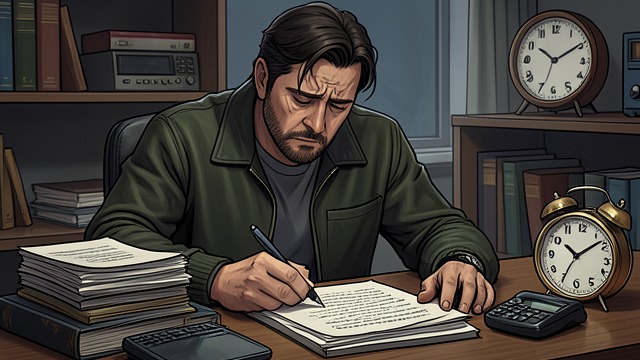
The Burden of Production
More commissions and deadlines
Portraits, portfolios, advertising, video, and magazine work required constant coordination and repeated revisions.
Warhol sometimes complained that he had too much to do, even as he continued accepting new projects.
Exhaustion and self-doubt
Work became both a defense against emptiness and a source of pressure that could undermine creative confidence.
Making Work Near the End
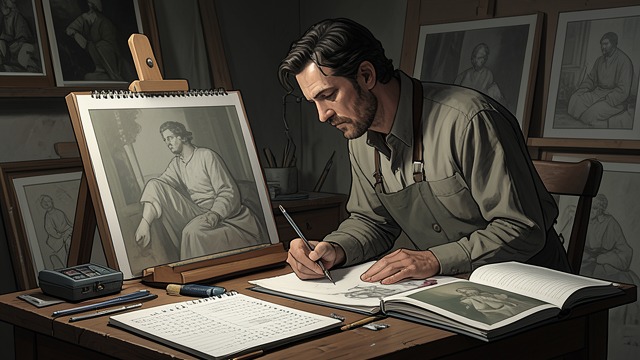
Making Work Near the End
Plans continue
Warhol kept developing portraits, series, books, and collaborations in the months before his final illness.
He still searched for ideas and worried about reviews, sales, and the next show.
An unfinished practice
His death interrupted a working life that had rarely settled into a final style or a final project.
Late 1970s
1970s–1980s
Early 1980s
1983–1986
1986–February 1987
