
Warhol, Fame, and the Streets
The Andy Warhol DiariesThis thread follows how Warhol negotiated public recognition, celebrity attention, and the brief rewards and costs of being seen.
increasing Bearing strength in each event
 decreasing
Bearing strength in each eventdecreasingA Name in Public
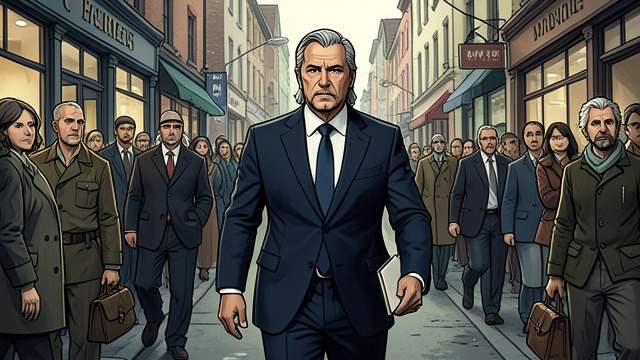
A Name in Public
Celebrity becomes daily life
Warhol’s work and public identity made recognition a regular feature of his time on New York streets.
He often responded by handing people Interviews, turning an encounter into a small exchange rather than a prolonged conversation.
Keeping distance
The magazine, camera, and reserved manner allowed him to participate in publicity while preserving a measure of control.
The Magazine as a Gift
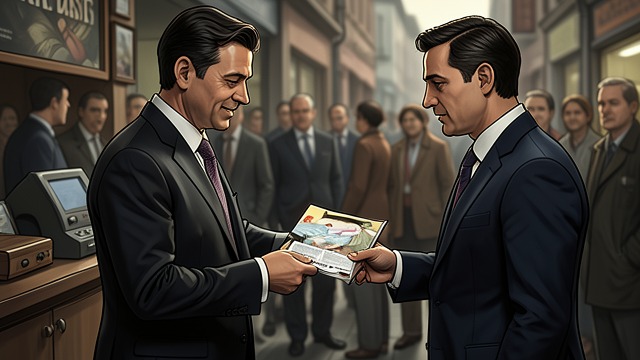
The Magazine as a Gift
A portable token
Warhol often handed out copies of Interview to shopkeepers, fans, and strangers who recognized him.
The gesture was generous, but it also served his hope that recipients might read or advertise in the magazine.
An exchange of attention
A magazine could soften an encounter, end an unwanted conversation, or create a moment of connection.
Television Exposure
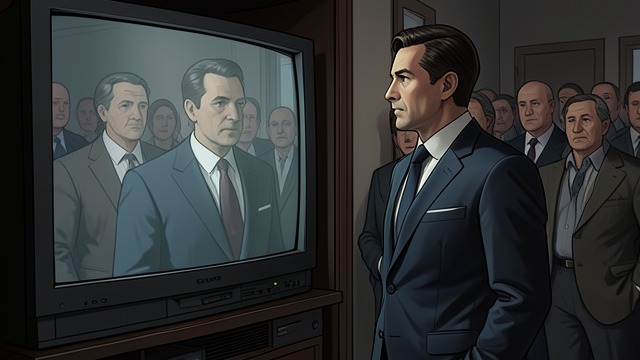
Television Exposure
Visibility expands
Television appearances and profiles brought Warhol into homes far beyond the art-world audience.
He welcomed recognition yet worried that mass exposure could use him up or make too many strangers aware of him.
Fame’s short afterlife
After a broadcast, he watched whether people still recognized him and concluded that television attention could fade quickly.
Publicity and Vulnerability
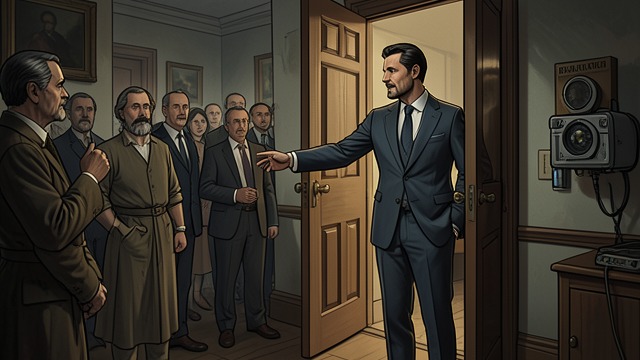
Publicity and Vulnerability
Recognition brings risk
Warhol enjoyed attention but was increasingly conscious of intrusions, threatening callers, and strangers who appeared at the office.
He worried about being followed and sometimes asked employees to check rooms and entrances before leaving.
The unstable bargain
The same visibility that brought invitations and work also left him feeling exposed and unsafe.
The Wig Incident
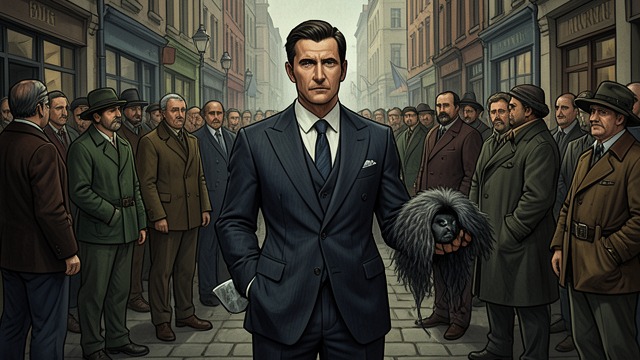
The Wig Incident
A public assault
At a Rizzoli book signing, a woman pulled Warhol’s wig off and threw it over a balcony.
He felt stunned and physically hurt, yet continued signing books after the incident.
Reframing the exposure
The event echoed the earlier shooting in its suddenness, while Warhol’s immediate response was to finish the public obligation and try not to dwell on it.
Late 1960s
Late 1970s
1979–1980
Early 1980s
October 1985
