
Warhol’s Mother and Family Distance
The Andy Warhol DiariesThis thread traces Warhol’s affection for his mother and family alongside long-standing distance, guilt, and difficulty sustaining contact.
increasing Bearing strength in each event
 decreasing
Bearing strength in each eventdecreasingA Mother in the Household
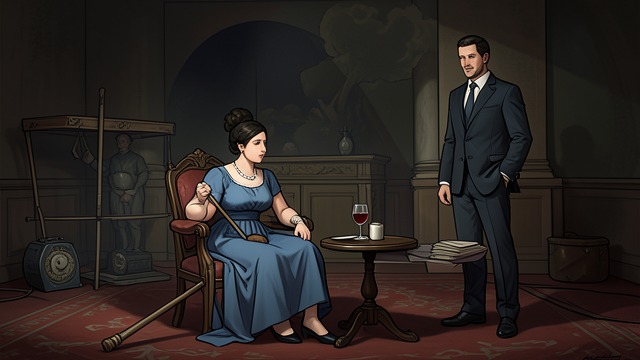
A Mother in the Household
Julia lives with Andy
Warhol’s mother Julia lived with him in New York for years, sharing his home while remaining largely outside his public world.
Friends asked about her, but Warhol continued to say she was fine even as her health deteriorated.
Quiet dependence
Their relationship was intimate in daily life but difficult for Warhol to discuss openly.
A Return to Pittsburgh
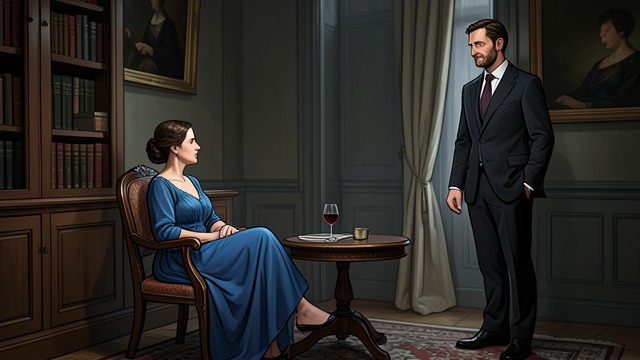
A Return to Pittsburgh
Care becomes necessary
When Julia required constant care, Warhol sent her back to Pittsburgh to live with his brothers.
She later suffered a stroke and died in a nursing home in 1972.
A concealed loss
Warhol continued to tell friends that his mother was fine, suggesting how strongly he resisted sharing the loss.
Family Visits Avoided
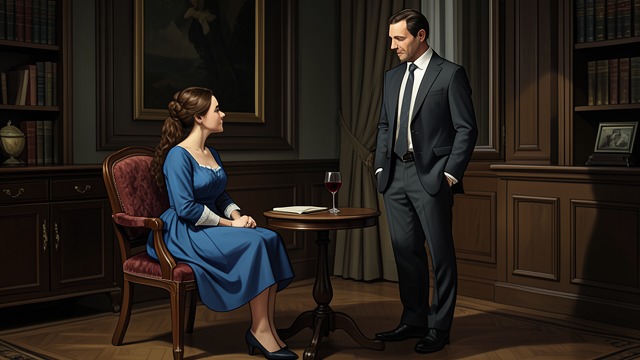
Family Visits Avoided
Distance persists
Warhol rarely welcomed visits from relatives and sometimes told them he was out of town when he was not.
Family members’ lives continued elsewhere, while he remained unsure how to reconnect with them.
A boundary around the past
His avoidance protected his routine but deepened the separation between his New York life and family origins.
A Nephew at the Office

A Nephew at the Office
A difficult conversation
Warhol’s nephew Paul came to the office after deciding to leave the priesthood and marry.
Warhol struggled to offer advice, turning instead to an example from Saturday Night Fever and practical conversation.
Family amid business
The visit briefly brought family obligations into the workplace without resolving the emotional distance.
Remembering Home

Remembering Home
Old memories resurface
Warhol’s diary returns to Pittsburgh, his parents, and relatives through anecdotes, calls, and occasional visits.
These memories often appear beside his fear of aging, illness, and dying alone.
A divided identity
The family he kept at a distance remained part of the person he was trying to understand.
1960s–early 1970s
1971–1972
1970s–1980s
1978
1980s
