
Warhol and Jed Johnson
The Andy Warhol DiariesThis thread traces the long domestic partnership between Warhol and Jed Johnson and the separation that left Warhol confronting a changed private life.
increasing Bearing strength in each event
 decreasing
Bearing strength in each eventdecreasingA Shared Household
A Shared Household
Life beside the Factory
Jed Johnson became part of Warhol’s working and domestic world, beginning with practical jobs in the Factory and developing skills in film editing.
Their shared life placed intimacy beside business, art, and the dense social world around Warhol.
A lasting arrangement
Johnson eventually lived in the townhouse Warhol found, while helping shape the visual and practical environment around them.
A Home Made Together
A Home Made Together
Building a private refuge
Warhol moved into a Federal-style townhouse on East 66th Street, and Johnson lived in the same building.
The home offered a counterpoint to the busy office and nightlife, with dogs and domestic routines anchoring Warhol’s daily life.
Work and affection overlap
Johnson’s decorating interests and Warhol’s need for order connected their private household to his working life.
Creative Distance
Creative Distance
A changing role
After directing Bad, Jed Johnson moved away from regular Factory work and began developing an antiques and decorating business.
He continued to live in the townhouse, while the couple’s professional routines gradually separated.
Different expectations
Warhol’s daily schedule and Johnson’s growing independent work created new spaces between them.
The Break in Domestic Life
The Break in Domestic Life
Tension accumulates
The diaries record disagreements, fatigue, and moments when Warhol worried about his relationship with Johnson.
By the end of 1979, private conflict had become difficult to ignore, even as the pair continued to share parts of their lives.
Separation approaches
Johnson’s business, friendships, and time away increasingly stood apart from Warhol’s household routines.
An Empty House
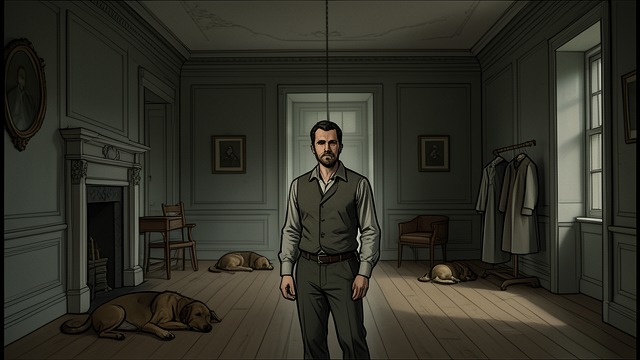
An Empty House
Johnson moves out
Jed Johnson decided to move out, leaving Warhol in the East 66th Street home with his dogs and housekeepers.
Warhol described loneliness, uncertainty, and the difficulty of being alone in a large house.
A changed emotional landscape
The separation shifted Warhol’s attention toward new attachments and exposed how much domestic companionship had structured his life.
Late 1960s to early 1970s
1974–1976
1976–1977
Late 1970s to 1980
December 1980 onward
