
The Decline of Studio 54
The Andy Warhol DiariesThis thread follows the shift from Studio 54’s seemingly limitless glamour to legal crisis, closure, and a changing nightlife culture.
increasing Bearing strength in each event
 decreasing
Bearing strength in each eventdecreasingA Nightlife Powerhouse
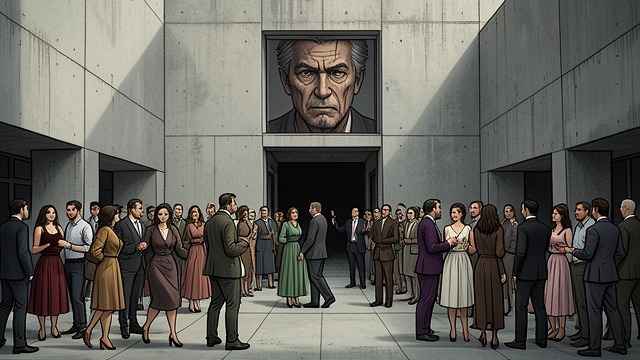
A Nightlife Powerhouse
The club’s magnetic pull
Studio 54 became a center of celebrity, fashion, music, and sexual performance, with admission itself treated as a status symbol.
Steve Rubell curated the crowd and made the club’s parties feel like exclusive public theater.
Warhol’s nightly vantage
Warhol used the club to meet people, observe social behavior, and take part in an emerging celebrity culture.
The IRS Raid
The IRS Raid
Federal scrutiny arrives
An IRS raid exposed Studio 54’s financial practices and led to criminal charges and seizure of records.
The discovery of drugs and hidden spaces intensified the legal and public crisis surrounding the club.
Rumors take over
Warhol recorded a swirl of conflicting stories about who had informed, what agents had found, and what the owners knew.
Names and Testimony
Names and Testimony
Cooperation becomes leverage
Rubell considered cooperation with prosecutors, while friends worried about the names he might provide.
The question of who had used drugs at the club turned social history into potential legal evidence.
Trust under pressure
The old easy intimacy of the club became harder to maintain when acquaintances feared being implicated.
Prison and Closure
Prison and Closure
Sentences follow the raid
Rubell and Schrager were sentenced, and Studio 54’s power was sharply reduced by the case.
The owners’ imprisonment turned a nightlife institution into a story of legal consequences and lost access.
A new club landscape
Other venues competed for the crowd while the original club’s reputation remained tied to its rise and scandal.
After the Reopening
After the Reopening
A different club
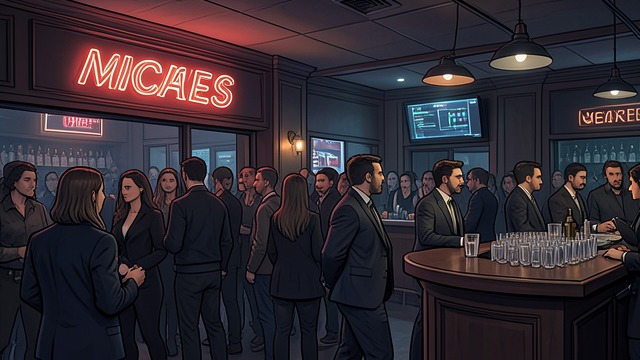
Studio 54 reopened under new circumstances, while clubs such as the Palladium and Area offered different versions of spectacle.
Warhol observed changing crowds, stricter access, and the fading of the original club’s extraordinary power.
Nostalgia and reinvention
The club continued to matter as a memory and a setting, even as New York nightlife moved on.
1977–1978
December 1978
1979–1980
1980
1981–1986
