
The Art of Celebrity Gossip
The Andy Warhol DiariesThis thread traces how Warhol and his circle turned gossip into social knowledge, workplace currency, and a contested form of storytelling.
increasing Bearing strength in each event
 decreasing
Bearing strength in each eventdecreasingGossip as Information

Gossip as Information
A working social language
Warhol’s diaries record affairs, parties, feuds, money, and careers as information people used to navigate social life.
Gossip was not separate from business: it could reveal who had influence, who was useful, and who might be declining.
A fluid truth
The same story could shift as people retold it, leaving Warhol alert to exaggeration and contradiction.
The OUT Column
The OUT Column
Social reporting becomes style
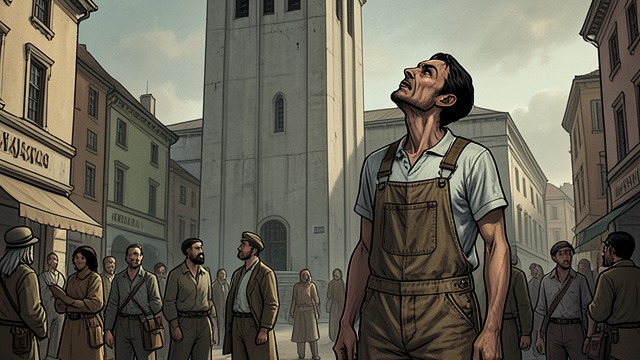
Bob Colacello’s column transformed parties and personal encounters into a recurring social narrative for Interview.
Its name-heavy approach both attracted readers and made the magazine’s access a source of power.
Consequences for the subjects
People praised, ignored, or feared the column depending on how it treated them.
Truman Capote’s Stories

Truman Capote’s Stories
Performance and truth
Capote told dramatic stories about celebrities, relationships, and his own life, often entertaining Warhol and his circle.
Warhol wondered which details were true and which had been heightened for effect.
A fragile reputation
Capote’s storytelling could build intimacy one moment and damage relationships the next.
Stories Become Evidence
Stories Become Evidence
Gossip enters litigation
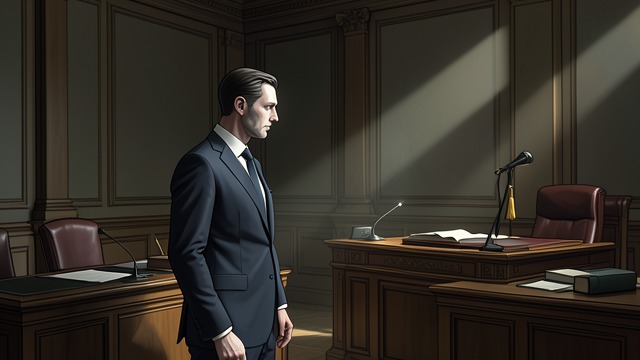
Statements made in interviews and columns sometimes became part of lawsuits, accusations, and efforts to control reputations.
Warhol and his associates learned that casual talk could be replayed as public or legal evidence.
Fear of being quoted
The diaries show people worrying about who was listening, what would be printed, and whether a joke would travel.
Self-Portrait through Gossip

Self-Portrait through Gossip
The observer is also observed
Warhol used gossip to portray other people, but his own statements became part of the same system.
His comments could flatter, wound, entertain, or expose, making the diarist an active character rather than a neutral witness.
Social history in fragments
The result is a portrait of a culture built from partial knowledge, performance, and the desire to be remembered.
Late 1970s
1974 onward
1978–1981
1980s
Throughout the diary’s later years
