
Warhol’s Fear of Aging and Obsolescence
The Andy Warhol DiariesThis thread follows Warhol’s anxiety about aging, changing taste, and the possibility that his artistic relevance might disappear.
increasing Bearing strength in each event
 decreasing
Bearing strength in each eventdecreasingFame as a Temporary Resource
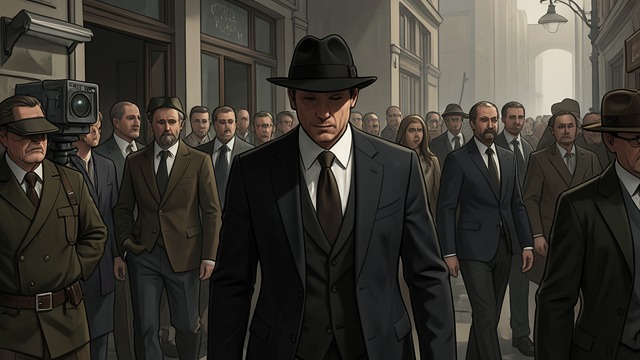
Fame as a Temporary Resource
Attention can fade
Warhol observed that celebrity recognition was inconsistent and that public attention could vanish quickly.
He sometimes treated fame as a practical resource for selling magazines or portraits, not as permanent security.
The future in question
His reflections on fame carried both amusement and anxiety about becoming irrelevant.
Younger Artists Arrive
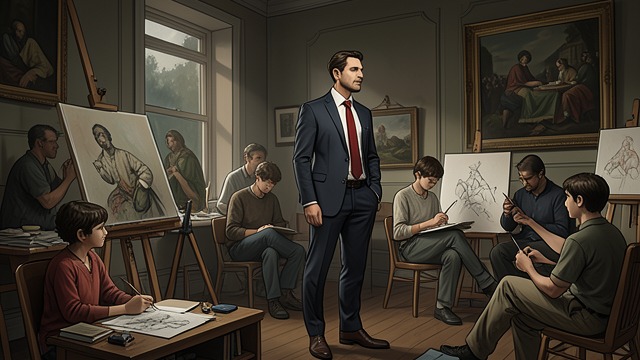
Younger Artists Arrive
A new scene takes shape
Warhol met younger artists and watched their work attract collectors and media attention.
Keith Haring and Jean-Michel Basquiat were among the figures whose rising profiles changed the contemporary art landscape.
Admiration and competition
Warhol could encourage younger artists while worrying that the art world had moved beyond his own methods.
The Body as a Clock
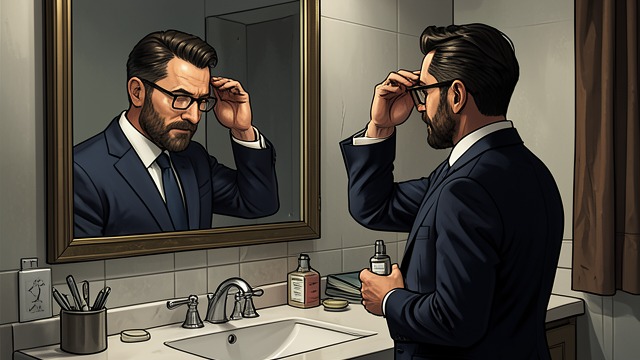
The Body as a Clock
Visible aging
Warhol monitored his hair, skin, weight, eyesight, and appearance through doctors, exercise, and cosmetics.
He often wondered whether cosmetic procedures or styling could restore a younger version of himself.
Work as resistance
Modeling and portraiture let him participate in a world that prized youth while exposing his fear of aging.
Repeated Images, New Doubts
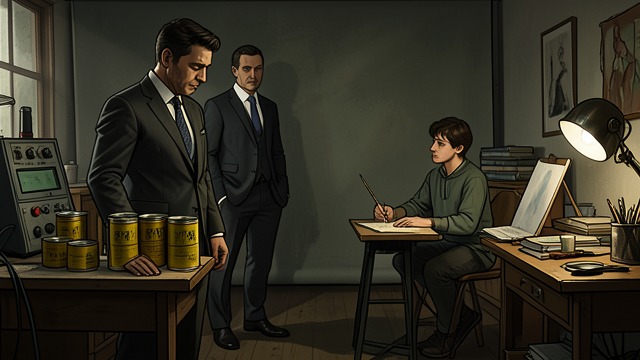
Repeated Images, New Doubts
The past returns
Warhol revisited Campbell’s Soup Cans, celebrities, and other famous images while developing new work and exhibitions.
He worried that repetition could be interpreted as a lack of invention, especially as new artists rose around him.
A creative uncertainty
The diary never settles whether repetition is failure or a deliberate method; Warhol keeps working despite the doubt.
Making Peace with Decline
Making Peace with Decline
Small admissions
Warhol increasingly acknowledged physical weakness, loneliness, and the difficulty of keeping up with younger people.
He still joked about public life, but the jokes often sat beside fear and uncertainty.
An unfinished reckoning
The diary ends before he resolves what aging means for his identity, art, or future.
Late 1970s
Early 1980s
Early to mid-1980s
1983–1986
1986–early 1987
