Andy Warhol’s gallbladder pain
The Andy Warhol DiariesAndy Warhol’s gallbladder pain was a recurring physical problem that he at first treated as an interruption to ordinary life, then faced in the final days of his life as an emergency requiring surgery. Its significance lies in the contrast between his earlier attacks, which subsided and could be fitted into the day’s routine, and the severe pain in February 1987 that led to gallbladder removal and his death shortly afterward.
Earlier Attacks and Uncertainty
Warhol later connected the 1987 pain to an earlier gallbladder attack, which he placed around 1973 or 1974. Fred Hughes had taken him to the hospital during that episode, after a visit to the Waldorf-Astoria to meet the elderly Mrs. Woodward. When a television adaptation of Nick Dunne’s novel about the Woodward story was airing, Warhol recalled that first attack and saw a connection between the two events. In his account, the memory returned as he tried to make sense of the new symptoms.
The diary’s retrospective framing places the gallbladder problem within Warhol’s broader fear of illness, especially cancer. Pat Hackett observed that he could become alarmed by a headache or a freckle, yet that he scarcely mentioned health problems when he was truly worried about them. In June 1977, he did record a neck biopsy and his fear that the result might be serious; the result was reassuring, though the procedure left his neck swollen and sore. The gallbladder pain was different in outcome: a recurring concern that ultimately became fatal.
The February 1987 Pain
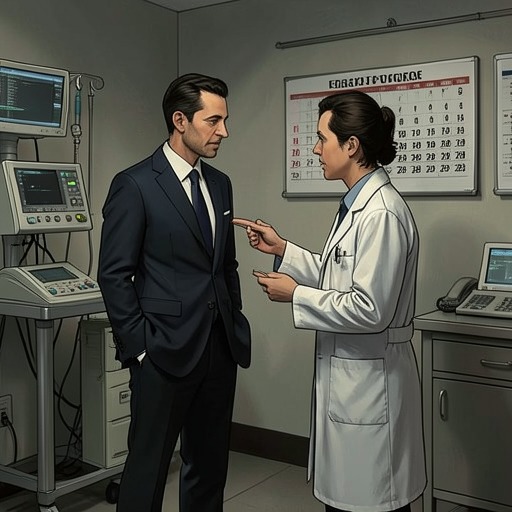
In the days before his final hospital admission, the pain disrupted Warhol’s plans and sleep. On February 14, during a collagen-treatment visit with Dr. Karen Burke, he complained of gallbladder pain. He stayed in bed the next day, and the pain eased. On Monday he kept an appointment at the Li Chiropractic Healing Arts Center; that evening, Dr. Burke called to check on him. When he admitted that the sharp pains had returned, she urged him to see his regular doctor, Dr. Denton Cox.
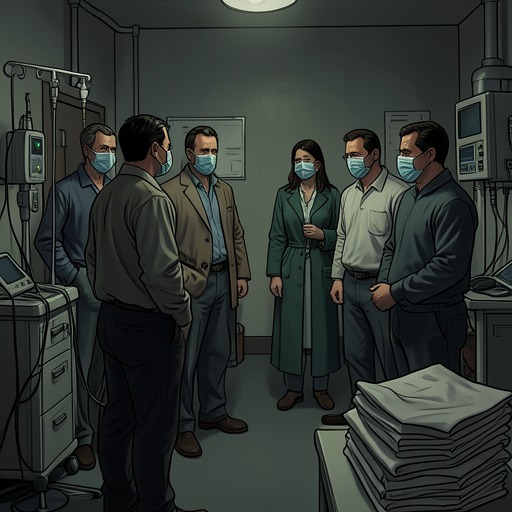
Warhol nevertheless made a public appearance at a Japanese fashion show on Tuesday, although he remained in pain for the rest of the night. At 6:30 the following morning he took a painkiller and a sleeping pill, and slept through the scheduled 9 a.m. diary call. When he spoke with Hackett the next day, he had seen Dr. Cox and had been told that he would die if he did not undergo the procedure. His fear of hospitals and operations was so strong that he could not bring himself to name them directly; he said he would resume the diary after it was over and call from the hospital.
Surgery and Death
Warhol was admitted to New York Hospital on Friday, February 20, as an ambulatory emergency patient. His gallbladder was removed on Saturday. At first, his recovery appeared to be going well: he watched television and telephoned friends. Early Sunday morning, however, he died. The account notes that the reasons for his death were in litigation, and does not resolve them; it establishes the abrupt reversal from apparent postoperative recovery to death.
The final episode gives the earlier attacks a grave afterlife in the diary. A pain that had once subsided after a day in bed, and that Warhol could link to a remembered hospital visit years before, returned with escalating force and required an operation. His initial improvement made the outcome more startling, while the account of his fear and reluctance to name the hospital or procedure makes the approaching crisis visible through what he could barely say.