Memorial Sloan Kettering Cancer Center
The Andy Warhol DiariesMemorial Sloan Kettering Cancer Center enters Andy Warhol’s diary through a short, unsettling medical episode: a biopsy of a lump in his neck, days of waiting for an answer, and a return visit to remove the stitches. The center becomes more than a destination for treatment. It is where his habitual fear of cancer meets the physical realities of examination and illness, even as work and daily errands continue around it.
The biopsy and the wait for an answer
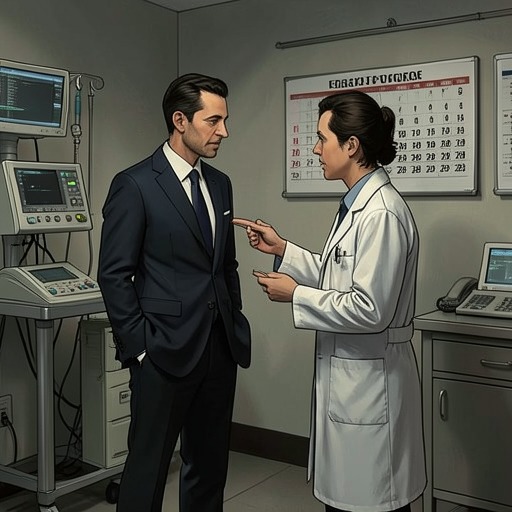
On June 16, 1977, Fred Hughes drove Warhol to Memorial Sloan Kettering Cancer Center to see a doctor about a neck lump. Warhol’s account first names Dr. Stone, then corrects the name to Dr. Strong. The biopsy was performed under local anesthesia and lasted about half an hour; afterward, he was told to go to work. The procedure did not settle his fear. He remained worried because the doctors had not yet identified what the lump was, and he described the interval between taking the test and receiving its result as a frightening pause in which the answer might change everything.
That uncertainty followed him out of the hospital. Warhol went to the office with a bandage on his neck, where the day carried on with an interview for the next cover of Interview. The contrast is characteristic of the diary’s account of the episode: a potentially serious medical question sits beside the familiar business of the magazine, without either displacing the other.
The result and the return visit
On June 20, Warhol called the doctor and was asked to come in at noon. He arrived late because he was nervous. The news was reassuring: the result was not what the doctors had feared. But the relief was not entirely uncomplicated. His neck had become swollen and painful after the biopsy, and he wondered whether having the procedure had been a mistake. Immediately after the appointment, he went to church to give thanks.
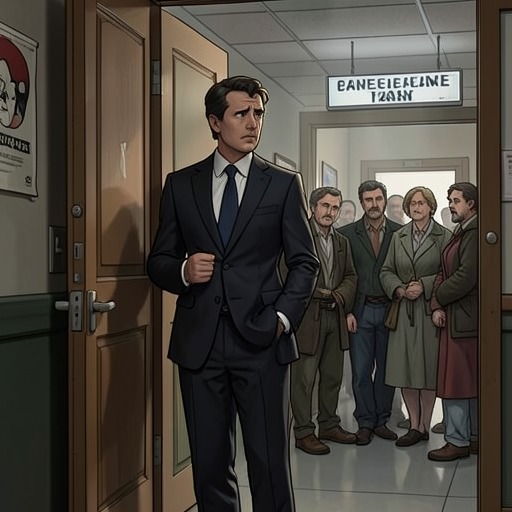
At a later visit, Memorial Sloan Kettering Cancer Center was again part of his day: Dr. Strong removed the stitches from his neck. The waiting room disturbed him. He noticed patients whose noses had been removed and found the sight shocking. The diary records this encounter plainly, making the waiting room a place where illness was no longer an abstract possibility but a visible bodily condition.
Cancer fear in the diary
The editor’s retrospective account identifies cancer as one of Warhol’s greatest fears, alongside going broke. A headache or a freckle could prompt the possibility of brain or skin cancer; yet the editor also observes that when a health problem genuinely frightened him, he often said little about it. The neck lump in June 1977 is one of the episodes singled out in that account. The biopsy and follow-up visits therefore register both the intensity of his fear and the limits of what the diary immediately discloses: first comes uncertainty, then a reassuring result, without the medical detail expanding into a full explanation of the condition.
The center’s significance in these entries lies in that compressed sequence. Warhol goes in for a biopsy, returns to work bandaged, receives good news, copes with pain and swelling, and later faces the disturbing sight of other patients while having his stitches removed. Memorial Sloan Kettering Cancer Center marks a brief interruption in his routines, but the diary makes the interruption recur—as worry before the diagnosis, bodily discomfort afterward, and an encounter with illness in the waiting room.