The Factory(860 Broadway)
The Andy Warhol DiariesThe Factory(860 Broadway) was the third-floor office Andy Warhol moved into in the summer of 1974, half a block from his previous Union Square address. Its significance lay in the change the move marked: the Factory name and its earlier association with collaborative filmmaking receded, while the office became a base for Interview and a busy point of contact for the magazine’s business, portrait commissions, and social network.
From Factory to office
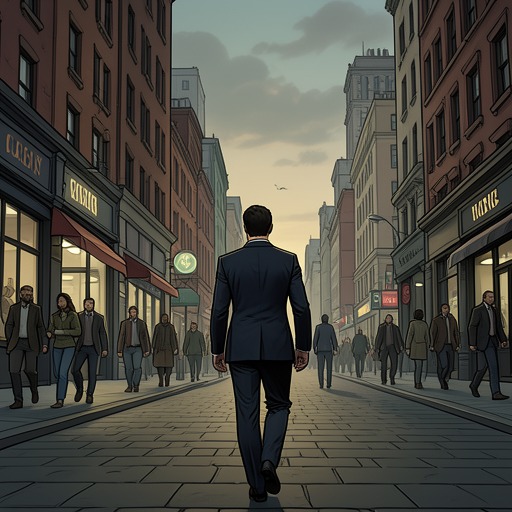
The Factory’s earlier home at 33 Union Square West had occupied a white-and-mirrored loft on the sixth floor. In the summer of 1974, the operation moved just half a block away to the third floor of 860 Broadway. The change was close in distance but telling in name. Andy instructed the receptionists to stop answering the phone with “Factory,” which he considered too corny; from then on, the place was simply the office.
That distinction reflected a larger shift in the work conducted there. Paul Morrissey had left for Europe after directing films in Italy, while Fred Hughes handled business arrangements and helped Andy make decisions. Vincent Fremont served as general office manager. The new address retained the social and professional traffic associated with the Factory, but its everyday identity increasingly came from administration, publishing, and commercial work.
Interview’s working center
Interview gave the office a growing share of its purpose. By 1974, Bob Colacello was the magazine’s executive editor, shaping its image and writing for it; the following year, Andy bought out Peter Brant to become its full owner and publisher, with Fred assuming the title of president. Andy, who had previously remained largely apart from the magazine’s daily operation, began coming in to examine art director Marc Balet’s layouts and arrange conference-room lunches to pitch Interview to prospective advertisers.
The office also connected the magazine’s production to its expanding readership and social reach. As circulation grew, celebrities increasingly wanted to appear in Interview, and fresh faces came by regularly. Andy’s offer to put people in the magazine took the place of his earlier promise of a role in a film. The office was therefore not just where magazine business happened: it helped sustain the stream of encounters through which Interview kept Andy connected to new people after commercially exhibitable movies had become prohibitively expensive to make.
Portrait business and visitors
The office received people drawn by the possibility of a Warhol portrait as well as by the magazine. One woman sent by Ivan Karp came to explore having her portrait made. She had considered a photograph by Scavullo, but, faced with a quoted cost of $5,000, decided to inquire about a Warhol portrait instead. The account leaves open whether she seriously intended to commission one; the visit itself shows how the office could turn an afternoon call into a possible piece of portrait business.
Other visits mixed business with the particulars of social life. In April 1979, Richard and Robert Du Pont were at 860 after Fred invited them. Brigid Berlin took Richard home and gave him $25 to clean her stove; she then spent the night listening as he made plans by phone to go to Studio 54 and arranged for his brother Robert to iron his light-green pants. At another office gathering, Famous Amos arrived with his girlfriend Christina and his teenage son Gregory. During the conversation, he ate his cookies and explained why the cookies inside the package did not look like the picture on it: making them look that way would have taken too long to bake. Such visits made the office a threshold between Interview’s business and the informal encounters that surrounded it.
Everyday life at 860 Broadway
The location also appears through small errands and interruptions rather than only through major decisions. On a hot day when nobody at the office seemed to be working, Brigid Berlin waited for a cake delivery from New Jersey. She planned to take the cake to the country for her mother’s birthday. The scene places the office within ordinary schedules and obligations even as it served as a center for a high-profile magazine.
During the July 1977 power outage, Maxime de la Falaise called the Factory to ask whether it had electricity. The brief inquiry links the office to the city’s disruption without establishing whether power there had been restored. Across these glimpses, 860 Broadway emerges as both a commercial workplace and a social address: the Factory name had been set aside, but its capacity to gather people persisted in a new, more explicitly office-centered form.