Warhol’s Time Capsules
The Andy Warhol DiariesWarhol’s Time Capsules turned the daily accumulation of letters, invitations, gifts, and magazines into a growing archive. At his office, Andy Warhol sorted through the day’s mail, sealed selected items into dated cardboard boxes, and sent the boxes into storage. The system was both an act of preservation and a way of making an almost total collection: he kept or gave away less than one percent of what arrived, consigning nearly everything else to the box.
A Routine of Sorting and Storage
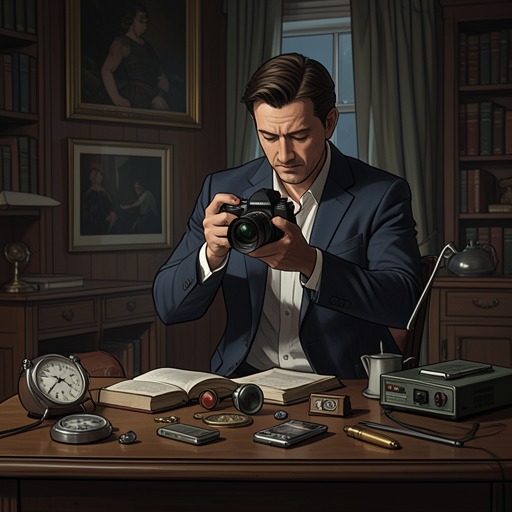
The capsules formed part of Warhol’s ordinary office day. After arriving, checking his appointments, and handling calls, he opened the stacks of mail and chose which letters, invitations, gifts, and magazines to place in a Time Capsule. Each container was a brown cardboard box measuring 10 by 18 by 14 inches. Once filled, it was sealed, dated, and stored; an identical empty box immediately took its place, ready for the next round of incoming material.
That repeated exchange made the capsule-making process less like selecting a few prized keepsakes than establishing a routine for absorbing the flow of things around him. Warhol classified almost everything he found “interesting” as worth preserving. The category was expansive: less than one percent of the items he was sent or given stayed with him or went to someone else, while the rest became part of the boxed archive.
An Archive of Ordinary Things
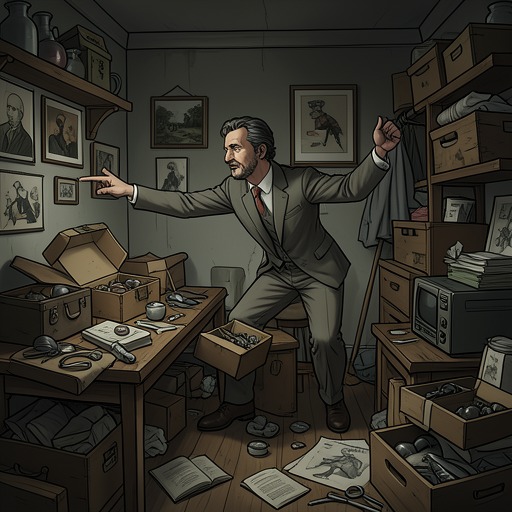
The boxes gathered materials from the stream of Warhol’s everyday social and working life. Mail, invitations, gifts, and magazines entered the capsules through the same practical decision at the office: whether to keep an item personally, give it away, or place it in the next box. Dating and sealing each container preserved that accumulation in batches, while replacing it with an identical empty box made the process continuous rather than a one-time project.
The capsules were distinct from the published diary. The diary was assembled from Warhol’s spoken accounts, receipts, notes, and occasional recordings, and its editor later reduced a much longer record for publication. The Time Capsules, by contrast, preserved physical items in sealed boxes. Together, these practices show two different ways of recording daily life: one converted activity into edited narrative, while the other stored the objects that passed through it.
Revisiting and Valuing the Boxes
In September 1986, Warhol took a few Time Capsule boxes to the office and opened them. Going through their contents was enjoyable, but it also brought a small tension into view: there were things he found he did not want to give up. The boxes were not simply finished records once sealed; they could be reopened and their contents reconsidered.
Warhol also imagined a future market for them. He said that someday he might sell the boxes for $4,000 or $5,000 apiece, revising an earlier estimate of $100. The remark records a change in his own valuation of the collection, not evidence that a sale occurred. By then, the accumulating boxes could be understood both as containers for the ordinary material of his life and as objects with prospective commercial value.