Denny
The Art of Racing in the RainDenny is a racing driver and father whose ambitions are inseparable from the risks and demands of family life. His racing career brings him from years of seeking sponsorship to an overall victory and a professional offer, while his bond with Zoë is tested by separation, bereavement, and a custody dispute. Through Enzo’s observant narration, Denny appears both as a determined competitor and as a parent trying to keep faith with his daughter when he cannot control the decisions around her.
Identity and Racing Career
Before his opportunity to race at Daytona, Denny spent a year soliciting sponsors, pleading and hustling until a chance encounter in a hotel lobby secured the money he needed. The sponsor’s blunt encouragement opened a path to a seat in a Porsche 993 Cup Car for the Rolex 24 Hours of Daytona. For Denny, the drive represented the culmination of a sustained effort, not an incidental invitation.
The race placed a major professional opportunity beside a major family event. Eve’s pregnancy meant that the 24-hour endurance race coincided with the expected arrival of their daughter. Denny celebrated the possibility of racing and becoming a father in the same year; Eve was dismayed by the timing. When Zoë arrived more than a week ahead of schedule, Denny was at Daytona. Enzo’s account places the birth at home, with midwives assisting Eve, while Denny was driving the race.
Denny later told Enzo that he and his team had taken first place overall, not merely won their class. The victory made him champion and brought an offer from a real racing team: a seat in a touring car the following season. The result transformed his earlier pursuit of sponsorship into a concrete next step in his career.
Fatherhood and Everyday Care
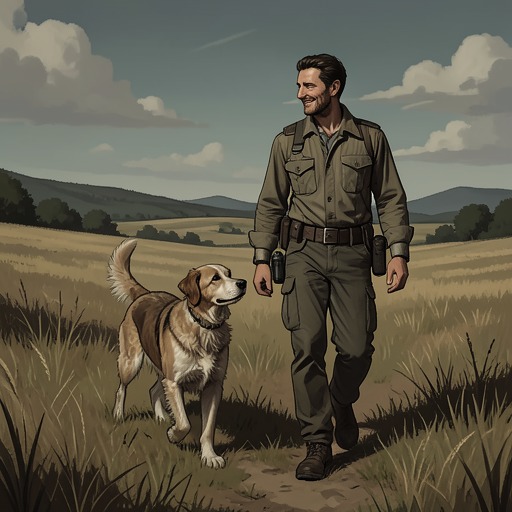
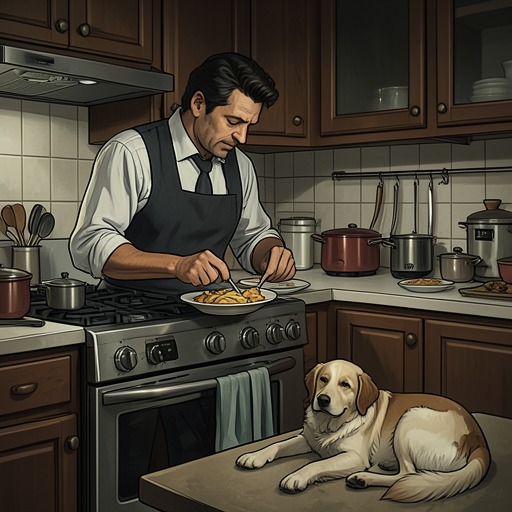
Denny’s relationship with Zoë is shown in domestic scenes as well as moments of crisis. After picking her up from a weekend with Maxwell and Trish, he left work early to take her shopping for sneakers and socks. When they returned, he cleaned the house while Zoë and Enzo played in the backyard. Zoë wore her pink ballet clothes; Enzo wore the bumblebee wings she had used the previous Halloween. Their play—running, laughing, and pretending to be angels—offers a small, ordinary picture of family life that stands in contrast to the instability around them.
That contrast sharpens when Denny and Zoë discuss where she will stay. After dinner, he took her into the backyard and sat with her on the terrace steps. He explained that Eve wanted Zoë to remain with her maternal grandparents, and that he would visit daily, spend weekends with her, and sometimes have her stay with him. Zoë answered that her grandparents wanted her too, and tried to reassure him that he would not leave her there forever. Denny was visibly upset but concealed it; Zoë understood his distress despite her age.
Separation and Custody Conflict
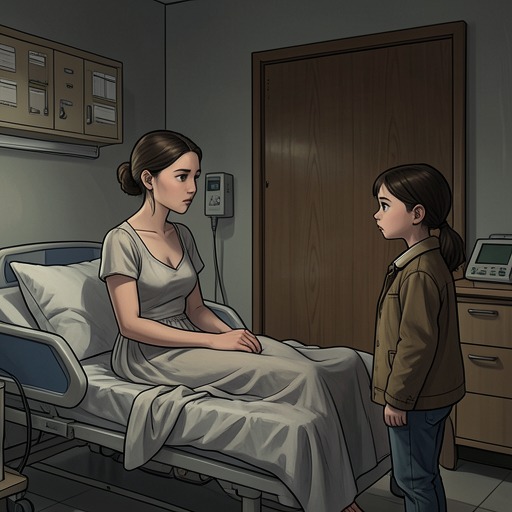
After Eve’s death, the arrangement became more painful for Zoë. She told Denny that she wanted to come home and live with him and Enzo, but he explained that lawyers and judges would decide where she lived. Her insistence that he simply tell them she was coming home made clear that, to her, the issue was not abstract procedure: she wanted to return to her father and the home she associated with him.
Denny also tried to explain why he had to go to court. He told Zoë that someone had accused him of doing something very bad and that he would have to prove he had not done it. Zoë immediately asked whether her grandparents were responsible. Denny said they were not, then qualified his answer by acknowledging that they knew about the accusation. The exchange leaves the adults’ roles distinct but entangled: he denies that her grandparents made the accusation, while making clear that they are not unaware of it.
Character and Narrative Significance
Denny’s scenes turn on the difference between what he can work toward and what he cannot decide. In racing, years of effort lead to sponsorship, an overall win, and a new professional opening. In family life, his care is tangible—time spent with Zoë, a conversation held privately in the backyard, promises to visit—yet it cannot by itself determine where she lives. His story therefore sets achievement and helplessness beside one another without making either erase the other.
Enzo’s perspective gives these moments an intimate, domestic scale. At the end of his life, Enzo hears Denny’s familiar greeting and resists his usual impulse to rise and welcome him, feigning weakness instead. The scene frames Denny as someone whose arrival ordinarily calls forth the dog’s immediate affection, while also placing that affection inside Enzo’s concealed plan to face death. Denny is consequently seen not only through his public identity as a driver or his contested role as a father, but through the private bonds that make those roles matter.