
The Call, the Story, and the Future
The AxFrom job-search advice to Burke’s self-deception, stories become tools for persuasion, survival, and concealment.
increasing Bearing strength in each event
 decreasing
Bearing strength in each eventdecreasingThe Counselor’s Warning
The Counselor’s Warning
No Entitlement
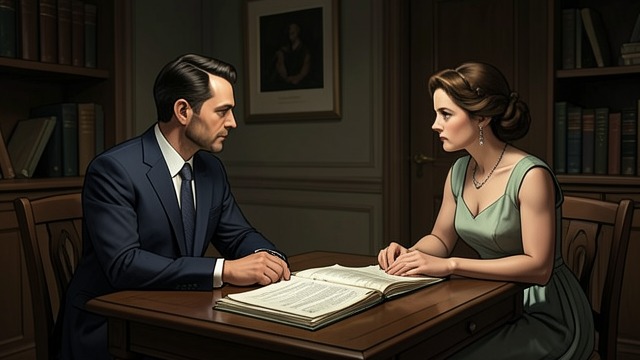
An employment counselor tells workers that nobody owes them a job and that they must compete for one. The advice is meant to help them confront a changed labor market.
Burke Takes It Literally
Burke absorbs the lesson as a rule of self-preservation. What may have been intended as practical realism becomes part of his belief that he must do whatever it takes to win.
The Résumé Story
The Résumé Story
A Carefully Edited Life
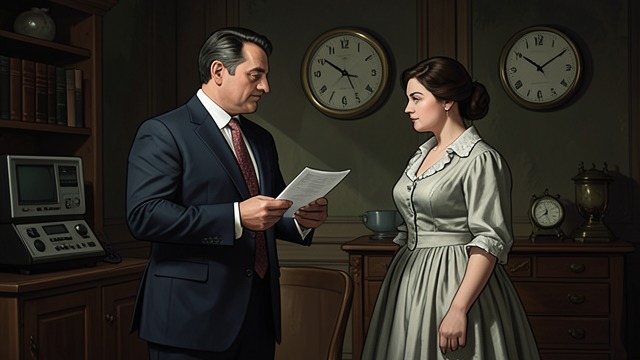
Burke presents a concise account of his work history and qualifications. He hopes a truthful résumé will make his experience clear enough to earn an interview.
The Interview Adds Performance
Burke realizes employers judge amiability, manner, and personal fit as well as expertise. His employment story must be sold in conversation, not merely recorded on paper.
The Fake Business Narrative
The Fake Business Narrative
An Invented Enterprise
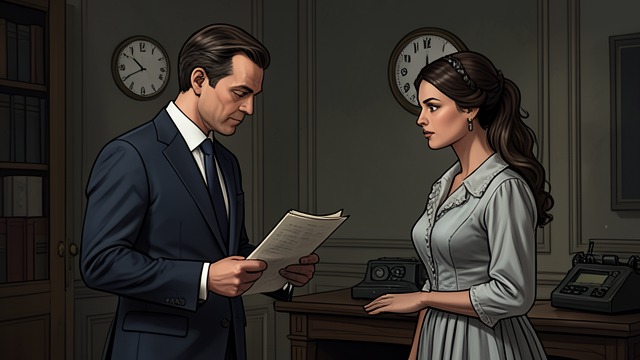
Burke tells postal workers and others that B. D. Industrial Papers is a small business. He gives the false company a name, letterhead, and plausible account of its needs.
The Story Protects the Scheme
The fiction helps Burke receive résumés without revealing his purpose. His ability to tell a convincing story becomes as important as the weapon he carries.
The Story to Billy

The Story to Billy
A Father’s Instruction
Burke tells Billy to hold to the truth that this was his first burglary. He wants his son to avoid being linked to the earlier crimes.
Truth and Strategy Intertwined
Burke’s advice is not simply a lie: it is a demand that Billy not accept claims about acts he did not commit. Yet it also reflects Burke’s own practiced understanding of how a consistent account can shape an investigation.
Burton’s Questions
Burton’s Questions
A Story Under Examination
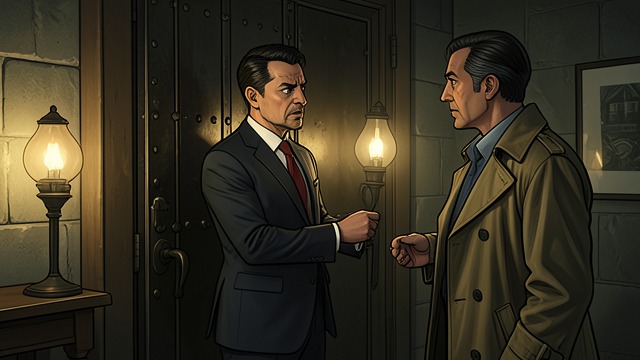
Burton asks Burke whether he knew the victims and shows him photographs. Burke expresses sympathy and denies recognition while the evidence increasingly points toward a shared connection.
The Interview Becomes a Contest
Burke uses the same discipline he urged on Billy: select a plausible account and maintain it. Burton’s investigation tests whether a practiced story can withstand accumulating facts.
During Burke’s layoff transition, 1995–1996
During Burke’s applications, 1996–1997
February 1997
Late May 1997, in the police cell
July 3, 1997
