
The Novel’s Fictional Contract
The AxThe opening reflections on fiction and self-justification resonate with Burke’s effort to make a persuasive story out of a life he cannot honestly explain.
increasing Bearing strength in each event
 decreasing
Bearing strength in each eventdecreasingFiction as Representation
Fiction as Representation
A Claim About Stories
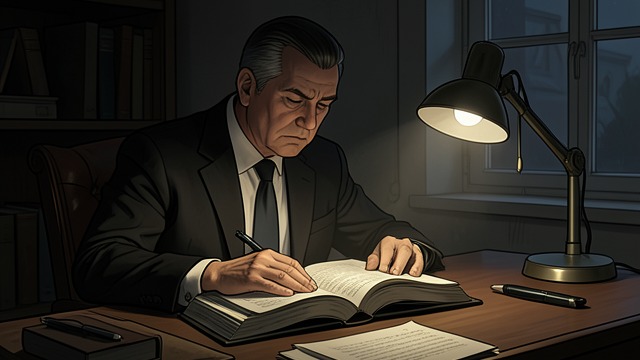
The opening quotation from Henry James argues that a novel exists to represent life rather than apologize for being invented. It establishes the book’s interest in ordinary reality and moral complexity.
Life Without a Joke
The story refuses to treat unemployment and murder as a comic pretext. Burke’s predicament is presented as a serious attempt to represent the pressures and choices of contemporary life.
A CEO’s Reassurance
A CEO’s Reassurance
A Compact Moral Claim
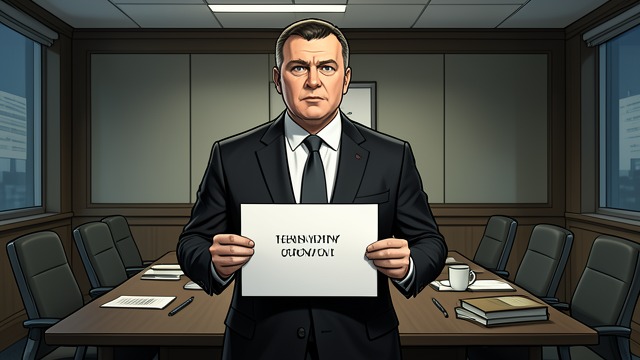
The epigraph attributed to Thomas G. Labrecque says that doing what one thinks is right for everyone involved makes one fine. The sentence offers a concise language of self-justification.
A Question Carried Forward
Burke’s later reasoning echoes the claim, as he insists his actions serve his family and society. The opening turns that confidence into a question rather than an answer.
Burke Writes His Confession
Burke Writes His Confession
A First-Person Account
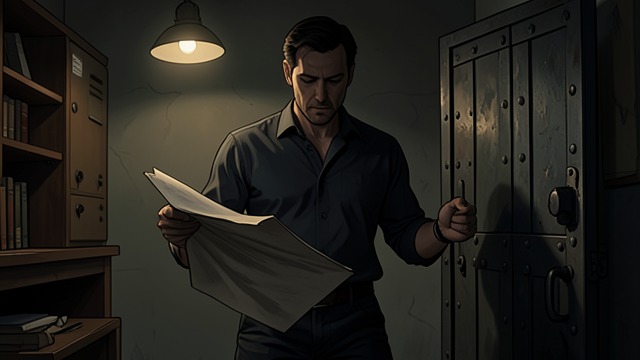
Burke writes his name, age, address, motive, and list of victims. For once, his narrative identifies himself as the murderer rather than the wronged job seeker.
Truth as Possible Release
The confession seems to offer a route toward accountability, but Burke destroys it the next morning. His written story briefly represents his actions plainly before he replaces it with concealment.
The Cover Story to Fallon
The Cover Story to Fallon
A Plea for Advice
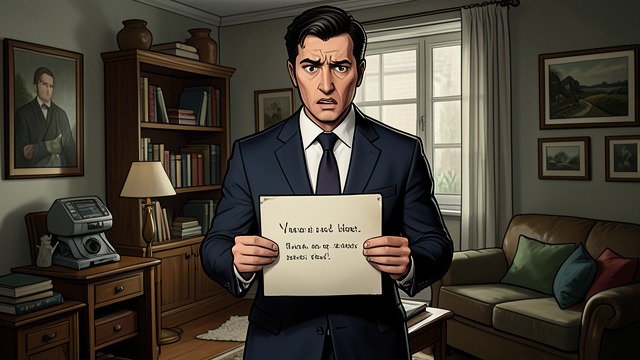
Caught in Fallon’s house, Burke says he needs help improving his job interview performance. He invents a plausible reason for his presence and builds trust through shared professional grievance.
A Story That Works
Fallon accepts the explanation and treats Burke as a fellow worker. The lie becomes not merely a defense but the bridge to a betrayal that Burke has already intended.
The Story Meets Burton
The Story Meets Burton
A Plausible Denial
Burke tells Burton that he does not know the victims and reacts as though he could himself be threatened. He performs a normal job applicant’s concern.
Fiction Under Pressure
Burton’s theory about Exman temporarily supports Burke’s account, but the evidence remains active. The narrative closes with Burke’s story still functioning, not yet proven true or false.
Before Chapter One
Before Chapter One
Late May 1997, before dawn
Late June 1997
July 3, 1997
