
The Meaning of Mercy
The Ballad of the Last DragonThis flow traces how mercy develops from an abstract virtue into Sylvaine Abelan’s deliberate resistance to becoming shaped by violence.
increasing Bearing strength in each event
 decreasing
Bearing strength in each eventdecreasingMercy as Story
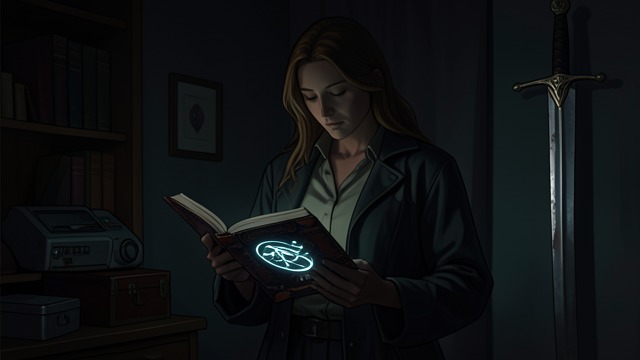
Moral Language Begins
The Heroic Pattern
Sylvaine Abelan initially imagines heroes through familiar tales of pure hearts and deserved victories. Mercy appears as a trait that makes a protagonist legible.
Reality Complicates It
The road exposes enemies who cannot be redeemed through a speech. Sylvaine Abelan must decide whether mercy remains possible when fear is justified.
Mercy in Combat Training
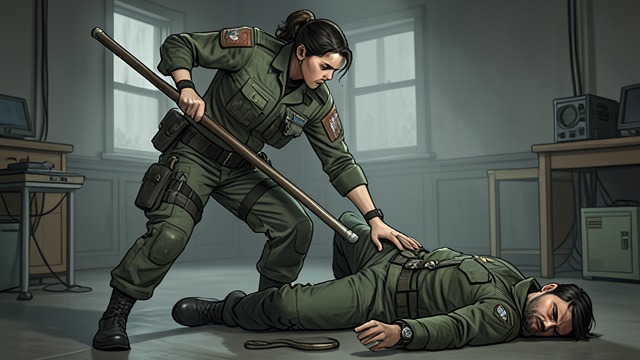
Strength Without Cruelty
Neith’s Argument
Neith teaches that sparing a defeated enemy can require more strength than killing. Her lesson rejects the idea that survival demands emotional hardness.
A Practical Ethic
Mercy is not presented as surrender. It is a choice made after gaining power, when the fighter can decide what violence will mean.
The Mercy Test
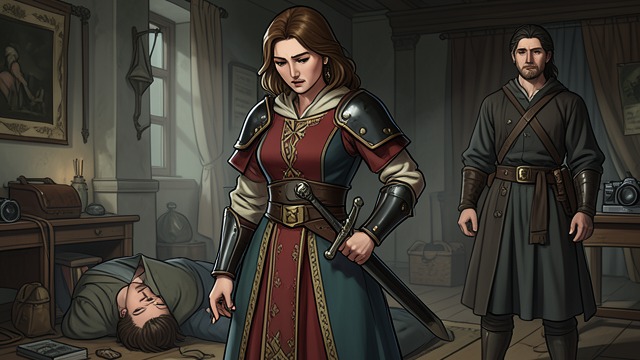
Refusing the Easy Ending
A Chance for Revenge
Sylvaine Abelan can kill Donnick after surviving his assault. The possibility is emotionally satisfying because it promises to turn fear into control.
A Different Freedom
She lowers the blade. The decision releases her from making Donnick’s death part of her identity, even though Jaromir later kills him.
Mercy and Grief
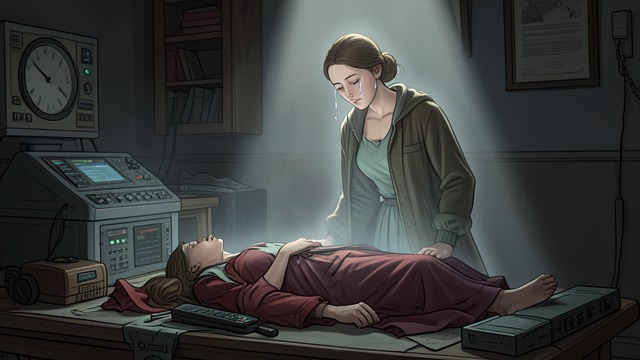
Violence Without Celebration
No Heroic Triumph
Sylvaine Abelan cannot call the attackers’ deaths heroic. She recognizes that survival and justice may still leave horror behind.
Emotional Responsibility
Her refusal to romanticize violence preserves her sensitivity. The novel treats that sensitivity as a burden, but also as the quality that keeps her from becoming cruel.
Mercy in the Future
Building Rather Than Destroying
A Wider Application
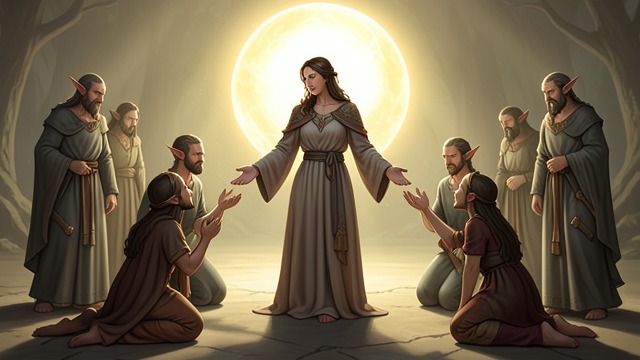
Sylvaine Abelan supports Neith’s plan to rescue Elves without charging them. Mercy becomes a social practice rather than a private response to one attacker.
A Chosen Identity
She defines strength through protection, art, and welcome. The future she imagines opposes the structures that once made compassion seem impossible.
the first discussions of heroes and villains
Neith’s lesson before Death Valley
the confrontation with Donnick
the return to camp after the pasture assault
the epilogue after the rescue plan is announced
