
Love and the Knowledge of Loss
The Beast in the JungleThis flow traces the story’s contrast between Marcher’s abstract anticipation of suffering and the lived grief that finally teaches him what love means.
increasing Bearing strength in each event
 decreasing
Bearing strength in each eventdecreasingSuffering as Prediction
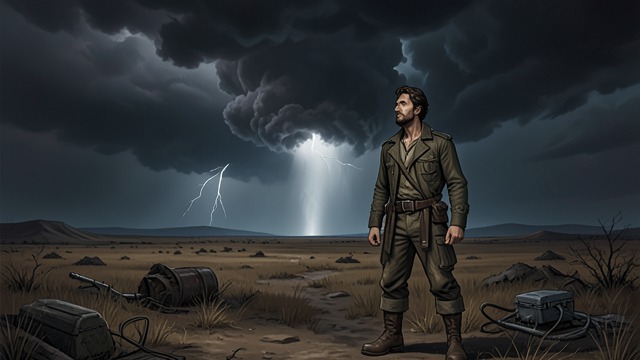
Suffering as Prediction
An Abstract Catastrophe
Marcher imagines a future experience that may destroy or transform him. He treats suffering as a possible sign of his exceptional destiny, though he has not yet encountered it.
His fear is abstract because it has no personal loss attached to it. He can discuss pain without having given himself to another person.
A Question of Love
May wonders whether his expected event might be falling in love. Marcher rejects the idea because previous attachments have not felt sufficiently catastrophic.
A Life Without the Wound
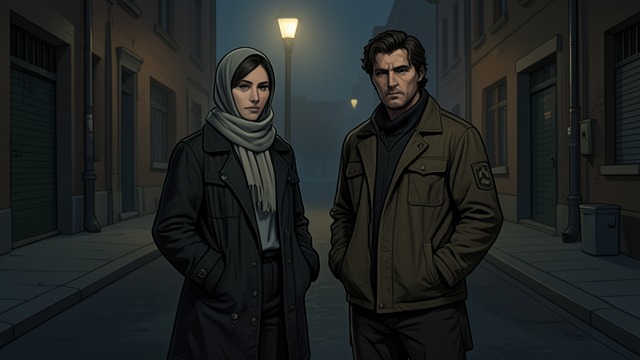
A Life Without the Wound
Safety in Detachment
Marcher lives beside May without fully committing to her. He avoids the possibility of a love that could transform his life or make him vulnerable to loss.
Because he does not surrender himself, he avoids the kind of suffering he imagines as fate. The avoidance also prevents the deepest experience he might have had.
An Unrecognized Cost
May’s affection gives him intimacy without demanding immediate risk. Marcher mistakes this apparent safety for a life that remains untouched by catastrophe.
Loss Anticipated

Loss Anticipated
The Possibility of Bereavement
May’s illness brings the prospect of her death into Marcher’s consciousness. He begins to imagine the pain of losing her and the end of their shared vigil.
He recognizes her value more clearly as she weakens, but still interprets the danger partly as a possible fulfillment of his fate. His understanding of grief remains speculative.
A Warning of Mortality
May’s decline makes ordinary human vulnerability more immediate than the imagined Beast. The story’s emotional stakes shift toward the loss already approaching.
The Mourner’s Face

The Mourner’s Face
Passion Made Visible
Marcher sees a stranger whose face bears the raw mark of grief. The sight shows him what love can do to a person when the beloved is lost.
Until this moment, Marcher has imagined suffering as a future abstraction. The stranger’s expression makes emotional consequence visible and immediate.
A Measure of His Own Life
Marcher compares the stranger’s anguish with his own absence of such feeling. He realizes that he has not suffered because he has not loved May as she loved him.
Pain as Belated Life

Pain as Belated Life
The Truth Felt
Marcher finally experiences the pain he has long discussed without knowing. His understanding of May’s love and his failure to answer it gives the truth an almost physical force.
For a moment, the bitterness feels like a taste of life because it breaks through his habitual detachment. Yet the insight offers no return to the time when he could have loved her.
A Final Horror
Marcher sees the Beast rise as the image of truth and loss joined together. The suffering he once imagined as a coming event becomes the cost of his past refusal.
At the Weatherend confession
During the long years with May
As May’s illness worsens
During the autumn cemetery encounter
At the final moment on May’s tomb
