May Bartram’s love for John Marcher
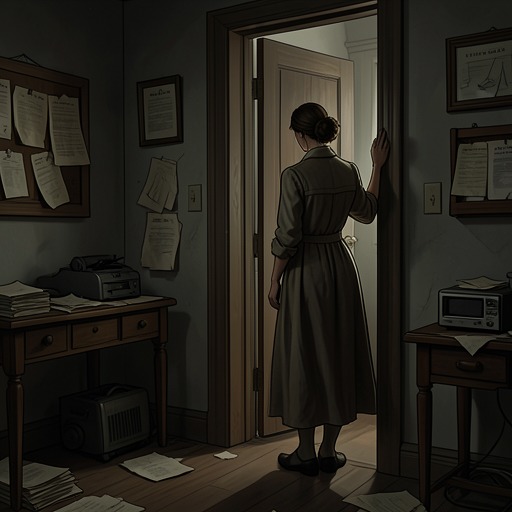
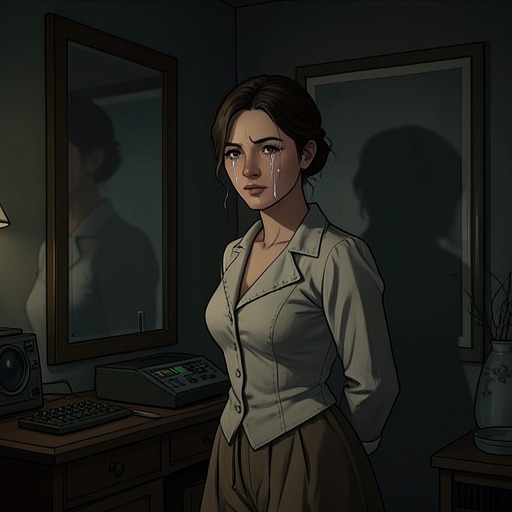
The Beast in the JungleMay Bartram’s love for John Marcher is the unspoken emotional truth beneath their long companionship and shared vigil. She understands the self-deception governing his life, watches beside him as he waits for a defining fate, and offers him a chance to escape that passivity through love. John does not understand what she offers while she is alive. Only after her death does he recognize that she had loved him for himself—and that his failure to return that love was bound up with the life he had lost.
A Shared Life of Watching
As John and May grow older together, she watches with him and allows their association to give shape and colour to her own existence. Their companionship is sustained by a mutual understanding that his secret governs their lives, but their knowledge is unequal: May can see the course of his self-defeating detachment more clearly than he can. She understands not only how he feels, but how he appears, and can reckon the things he has kept himself from doing and what their accumulation has cost him. Her love takes form within this close attention: she remains beside him, attentive to the truth he cannot fully see, while he treats their shared vigil chiefly as a way of attending to his own fate.
Their outward conduct conceals the difference between them. May, like John, adopts social forms that do not disclose her inward life; the account of herself that would be true is one she cannot give straight to anyone, least of all to him. Their habitual friendship appears ordinary enough to strangers, yet the real truth may surface in their conversation. May observes that the familiarity of their relationship makes them socially legible as a man and woman whose friendship has become almost indispensable. This arrangement gives her a place in John's life, but does not make him understand what that place means to her.
Affection Within Their Social Habit
On May’s birthday, a Sunday in a season of thick fog and general gloom, John brings the customary offering he has given her over the years. He has established a hundred small traditions with her; the present is usually a small, finely chosen trinket, and he regularly spends more than he thinks he can afford. He regards the gift as proof that he has not become wholly selfish. The scene thus shows both the real care in their routine and the limit of John's interpretation: he can recognize the ritual as evidence about his own character without grasping the love that gives their shared habits their deeper meaning.
May connects their familiar routine to the way it protects John from social notice. Their appearance as habitual friends allows the public to take their closeness for granted, but that social cover does not reveal the unequal emotional knowledge underneath. Her love is present in a life built around watching with him, even as the relationship's ordinary appearance helps conceal it. The pattern is not a lack of intimacy; it is intimacy that John can experience and rely on without understanding its source or cost to May.
Love Made Plain at the End
When May is gravely ill, John's understanding begins to break through his usual mystification. Faced with her wasted face and her words that something is too much, he asks whether that is what she is dying of. May watches him gravely, as if judging where he has arrived in his understanding and moved by what she sees. She tells him, "I would live for you still--if I could." After closing her eyes for a moment, she raises them again and says, "But I can't!" Her declaration makes the strength and limits of her love inseparable: she would continue living for him, but she cannot.
The conversation is a final offer of emotional truth, not a rescue that can still alter their lives. May has already understood what John cannot yet take in: his waiting has become his fate, and loving her could have been his way of living rather than merely waiting. But when the realization begins to reach him, her illness has already made continued life impossible. The passage from confusion to recognition occurs too late to become a shared future; shortly afterward, their parting is final, and access to May during her last weeks is almost wholly denied to John.
Recognition After Her Death
At May’s funeral in a great grey London cemetery, John discovers how little public claim their intimacy gives him. The gathering is small, yet he is treated as scarcely more concerned than any other attendee. Even people with far weaker ties to May appear to have more recognized rights in her final days. The loss is therefore doubled: John has lost the person who took such an interest in him, and he is confronted with how little their relationship can be acknowledged by the surrounding social world. He feels the absence of any claim that would make his indispensable private bond publicly legible.
His comprehension of May’s love comes only after a stranger’s expression of grief gives him an external glimpse of what it means for a woman to be mourned by someone who loved her for herself. The realization turns inward: May was the person he had missed. He understands that she had lived through loving him, while he had thought of her in the chill of his egotism and through the use she served in his vigil. He also recalls that she had offered him a way out and that he had stared at it without understanding. Her love becomes visible to him at the moment when he can no longer answer it.
Meaning in the Story
May’s love exposes the irony at the centre of John’s lifelong suspense. He had waited for a singular event, but the waiting itself was the fate he feared; the chance to live lay in responding to the person who had stayed beside him. May had seen that truth before him and offered him the possibility of love, but her insight could not substitute for his recognition or choice. His belated understanding does not undo his failure. Instead, it clarifies that the life he thought was being withheld from him had included a real relationship he could not perceive while it was still possible to return.
The narrative lets May’s love remain largely indirect during their years together, disclosed through her attention, their repeated habits, and the life she shapes around their vigil. Its final declaration and John’s later recognition retrospectively change the meaning of that companionship without turning it into a fulfilled romance. She had loved him for himself; he had not known how to see her beyond his own preoccupation. The cost of that blindness is not only her death, but John's recognition that he has missed the experience that would have made his life more than waiting.