
A Life Beyond the Novel
The Bell JarThis flow traces the biographical note’s account of Sylvia Plath’s later literary life, its renewed creative momentum, and the unresolved tragedy of her death.
increasing Bearing strength in each event
 decreasing
Bearing strength in each eventdecreasingThe Academic Return
Rebuilding a Career
Return to Smith
Sylvia returns to Smith College after hospitalization and describes herself as reconquering difficult academic work. She completes demanding study and regains a sense of forward movement.
Achievement resumes
Prizes, poems, and academic distinction return, culminating in graduation summa cum laude. The recovery appears substantial, though it cannot guarantee permanent safety.
The Fulbright Year
A Wider Literary World
Study in England
Sylvia receives an English Fulbright and studies at Newnham College. She meets Ted Hughes and marries him in London.
New commitments
The move links academic achievement to marriage and a transatlantic literary life. Her work continues within circumstances that will keep changing around her.
Poems and Teaching
Recognition and Doubt
Professional success
Sylvia teaches at Smith College and earns an unusually strong reputation among her colleagues. She and Ted live in the United States before moving to Beacon Hill.
A less certain choice
She eventually gives up teaching to pursue writing more fully. The decision brings greater artistic freedom but removes the security of an academic career.
The Ariel Breakthrough
A New Poetic Pace
Writing at speed
After the birth of Nicholas, Sylvia reports that The Bell Jar is progressing to plan and begins writing a striking new group of poems. Her husband describes the work as arriving quickly and without her usual preparation.
Creative intensity
Sylvia tells friends she is writing again with confidence. The renewed poetic energy coincides with pressure in her marriage and family life, leaving the achievement emotionally complex.
The London Winter
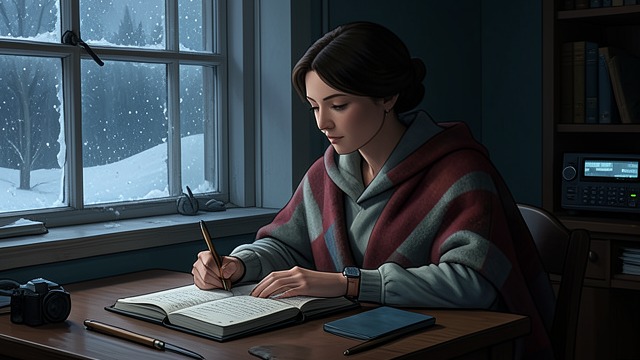
A Final Season
Hard conditions
After separating from Ted, Sylvia lives with her children in London through severe cold, interrupted heat, and practical difficulties. She continues to write poems while ill and distressed.
An unfinished future
Those around her sometimes see brightness and hope, even as her private despair deepens. She dies by suicide on February 11, 1963, leaving the future of her work to others.
1954–1955, after Plath’s breakdown
1955–1957
1957–1959, in the United States
spring and summer 1962
the winter of 1962–63
