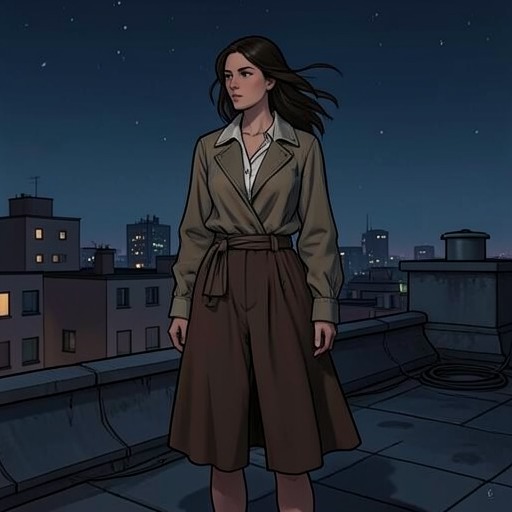
Marco's Assault on Esther
The Bell JarMarco's assault on Esther occurs during the glamorous New York visit arranged through a fashion magazine contest, but it overturns that polished setting into a direct threat. Esther resists him, breaks away, and returns alone to Manhattan; the episode makes her vulnerability and her capacity to fight back inseparable parts of the scene.
Background and Setting
Esther is one of twelve young women who won a contest by submitting essays, stories, poems, and fashion copy. Their prize is a month of paid work in New York, supplemented by gifts, events, and introductions intended to promote the firms involved. The contestants are displayed as evidence of a success story: their magazine image, dressed for an evening out, might suggest that a girl from a poor, remote town had become master of New York. Esther privately recognizes the distance between that public image and her own experience. She moves between the hotel, work, and parties without feeling that she is steering her life.
The assault takes place against this commercial spectacle of fashionable opportunity. At a Ladies' Day luncheon, the women have been shown glossy kitchens where food is staged for photographs, with melting ice cream propped up and replaced under the lights. Esther's awareness of the labor behind a polished image anticipates the wider contrast between appearances and lived reality, though the attack itself is not a simple extension of the magazine's publicity: it is Marco's violence, inflicted on Esther at a social event.
The Assault and Esther's Resistance
During the encounter, Marco knocks Esther to the ground and throws her back when she begins to rise. As he moves over her and tears her dress, Esther recognizes that remaining passive would allow the assault to continue. She begins to struggle, bites him, and uses the heel of her shoe to hurt his leg. When that does not free her, she strikes his nose with her fists. Marco is stronger, but Esther's resistance interrupts his control of the scene and gives her a chance to act.
The struggle does not end with a clean victory. Esther begins to cry after striking him, while Marco tends to his injured nose. Her immediate words are a demand for Doreen and for home. They turn the aftermath away from Marco's accusations and toward the person and place Esther wants: she is not asking to resume the evening but to leave it.
The Diamond and Escape
Afterward, Marco demands to know where his diamond is and threatens Esther when she does not immediately tell him. She says it is in her imitation jet-bead evening bag, lost in the mud. Esther leaves him on his hands and knees searching for the stone, which gives her the opening to get away. The valuable jewel becomes an ironic counterpoint to the evening's advertised luxury: Marco is left searching for a small object while Esther escapes the situation that put her in danger.
Doreen is not in the ballroom or the parking lot. Esther stays at the edge of the shadows so that other guests will not notice her disheveled appearance, covers herself with her stole, and asks drivers for a lift. A car finally takes her to the middle of Manhattan. Her departure is practical rather than triumphant: she has escaped Marco, but must navigate the return alone and out of sight.
Significance and Narrative Contrast
The episode sharply reverses the image of the contest winner enjoying a New York whirl. The young women were presented as beneficiaries of opportunity and surrounded by gifts, fashion, and carefully staged food; Esther's evening instead ends in fear, resistance, and flight. The contrast gives the magazine-sponsored glamour a disturbing limit: public images of female success do not guarantee safety or control over one's circumstances.
The scene's decisive change is from apparent social display to immediate bodily danger, and then from being overpowered to finding a means of escape. Esther cannot prevent the assault from beginning, but she does resist, directs Marco's attention toward the missing diamond, and leaves. Her repeated demand for Doreen and her wish to go home register the need for safety and human refuge after the encounter, while the solitary ride back to Manhattan marks the cost of having to secure that refuge herself.