
The Narrator’s Changing View
The Best Christmas Pageant EverThis flow follows the narrator from cautious distance toward a more personal understanding of the Christmas story through the Herdmans’ performance.
increasing Bearing strength in each event
 decreasing
Bearing strength in each eventdecreasingStaying Out of Imogene’s Way
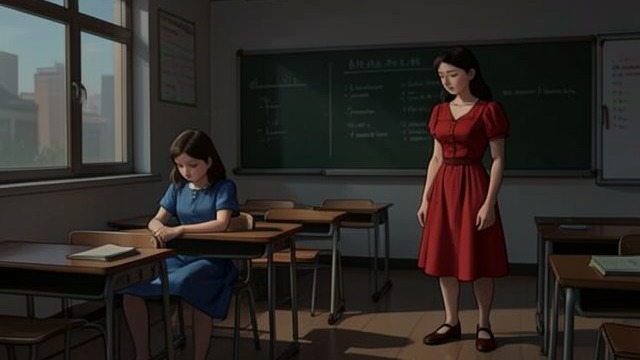
A Strategy of Avoidance
Life Beside a Bully
The narrator has spent years in the same grade as Imogene and tries to remain unnoticed. She believes a quiet, ordinary child has the best chance of avoiding trouble.
A Limited View
That strategy protects her but leaves her knowing Imogene mainly as a source of danger. The pageant will place her close enough to observe a different side.
Seated Beside Imogene
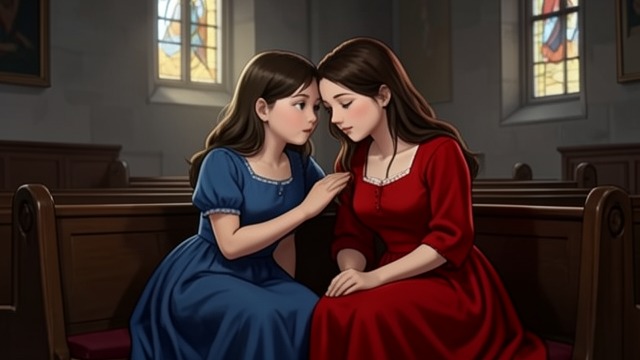
A Forced Proximity
The Director Separates the Children
After a quarrel with Alice, the narrator is moved beside Imogene. She expects the seating change to be uncomfortable.
Attention Replaces Aggression
Imogene tells her to be quiet because she wants to hear the story. The narrator is surprised to find her listening closely rather than seeking a new target.
Seeing the Story’s Hardship
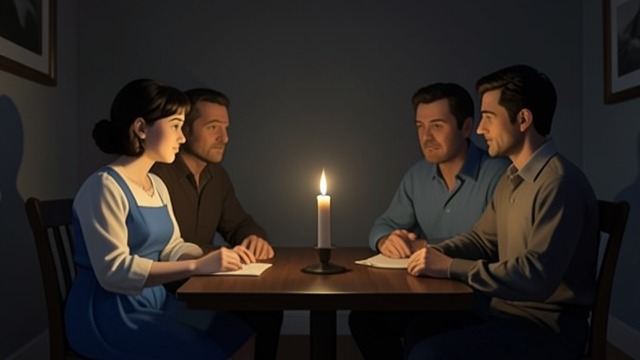
The Narrator Reconsiders the Stable
A Family in Trouble
The narrator hears her mother and father describe the indignity of Mary having no place but a stable. The Herdmans’ questions have made that circumstance difficult to ignore.
A Personal Reassessment
The narrator realizes that she had accepted a comforting version of the story without considering its practical hardship. The children’s reactions change what she notices.
The Family Appears on Stage
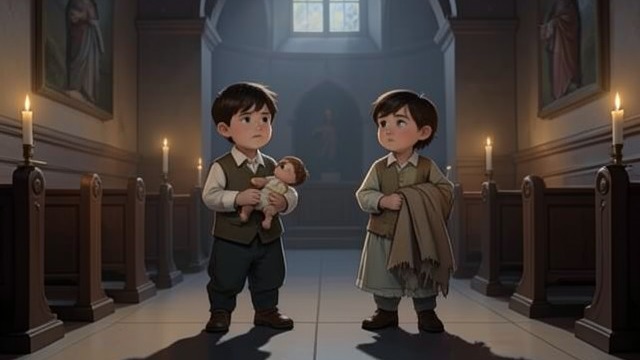
A Refugee-Like Image
A Moment of Recognition
Imogene and Ralph stand uncertainly in the candlelit church, resembling people displaced into an unfamiliar place. The narrator recognizes in them an echo of the Holy Family’s vulnerability.
A Changed Way of Looking
Their untidy appearance no longer seems simply comic. The narrator sees how the pageant’s conventional picture may have hidden the discomfort and uncertainty of the original story.
Mary Looks Like Imogene
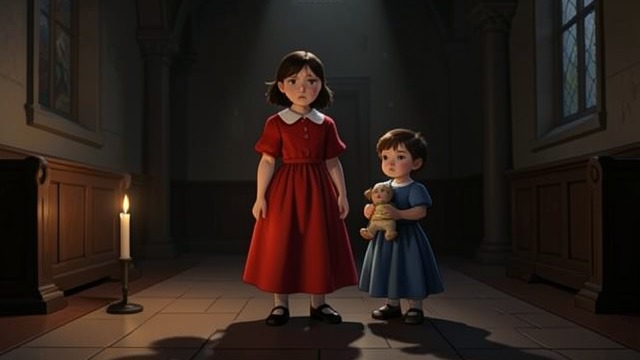
A Lasting Image
The Narrator’s Conclusion
The narrator imagines Mary as nervous and bewildered but ready to defend her baby. Imogene’s portrayal has replaced the narrator’s earlier, distant picture of a flawless figure.
A Story Made Human
The narrator carries the image of the Wise Men bearing ham and Gladys shouting the good news into the cold night. Her understanding is now rooted in people and actions rather than abstraction.
Before the pageant season
At the first rehearsal
After the first rehearsal
As Mary and Joseph enter on pageant night
On the walk home after the pageant
