
The Emotional Meaning of the Closing Carol
The Best Christmas Pageant EverThis flow traces the closing carol from routine finale to the moment when Imogene’s reaction changes how the narrator and audience understand the pageant.
increasing Bearing strength in each event
 decreasing
Bearing strength in each eventdecreasingA Predictable Finale
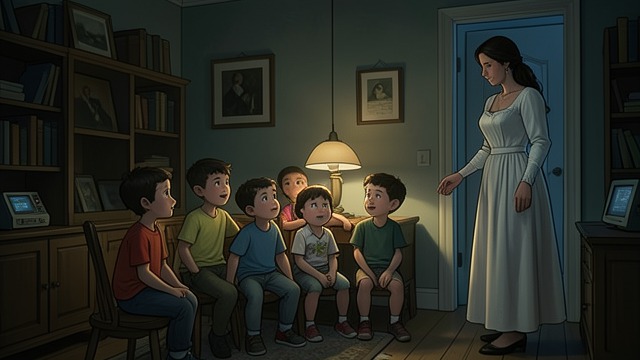
The Closing Song Is Routine
The Familiar Last Number
“Silent Night” is the pageant’s customary final carol. The narrator often feels impatient by the time it arrives and wants the production to end.
A Song Heard by Habit
The hymn is familiar enough to become part of the expected sequence. Its words are present, but the narrator does not anticipate a new understanding from them.
A Different Pageant Unfolds
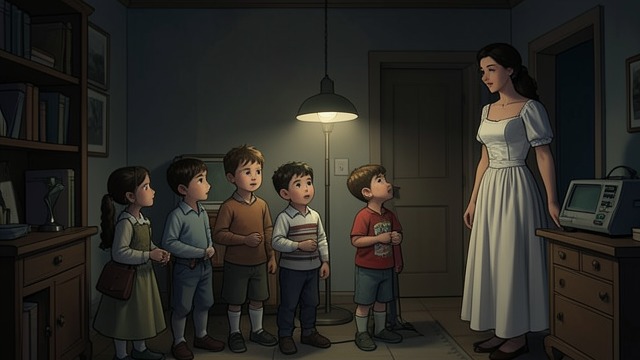
The Finale Approaches
Unexpected Scenes Accumulate
The Holy Family and visitors have behaved in ways that depart from the planned tableau. The narrator finds herself wanting the pageant to continue and imagining what else might happen.
Attention Replaces Impatience
The familiar order no longer feels empty. The children’s interpretations have made the narrator alert to possibilities in each scene.
The Audience Joins In
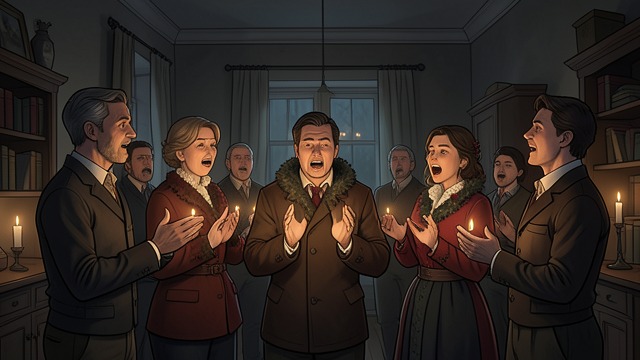
A Shared Song Begins
Congregation and Cast
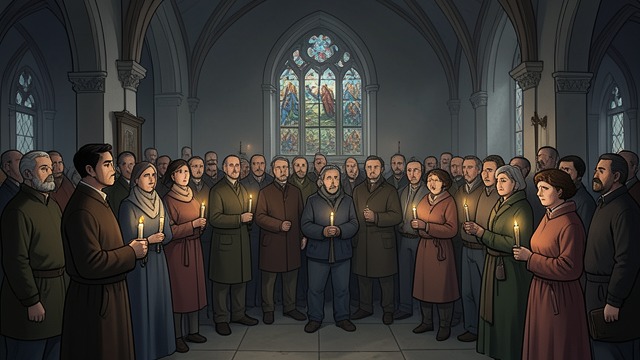
The audience joins the choir in singing “Silent Night,” including all the verses. The familiar carol temporarily gathers performers and watchers into one voice.
A Moment of Stillness
After the pageant’s noise and confusion, the shared song gives the room a pause. The stillness allows the emotional meaning of the evening to emerge.
Imogene Begins to Cry
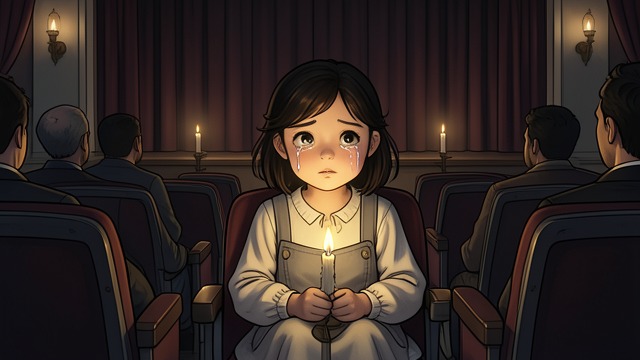
An Unexpected Response
Tears in Candlelight
The narrator sees Imogene crying, her face shining in the candlelight. She does not wipe her tears or hide them from the others.
A Child Moved by the Story
The moment contradicts the expectation that Imogene will cause trouble. Her response reveals that the performance has reached her in a way the adults did not anticipate.
A Meaning the Audience Cannot Name
The Best Pageant, Without Explanation
Shared but Unclear Recognition
People call the performance the best one they have seen, yet struggle to say exactly why. The usual measures of order and polish do not explain their response.
Emotion as Interpretation
Imogene’s tears and the pageant’s human details have made the Christmas story newly accessible. The audience leaves with a feeling that precedes a precise explanation.
Before pageant night
After the Wise Men place the ham
At the beginning of the closing carol
During the verse about the Son of God
Immediately after the pageant ends
