
The Cost of Unchecked Authority
The Best Christmas Pageant EverThis flow traces the story’s questions about authority, from Herod’s violence to the church’s power to include or exclude children.
increasing Bearing strength in each event
 decreasing
Bearing strength in each eventdecreasingHerod’s Command
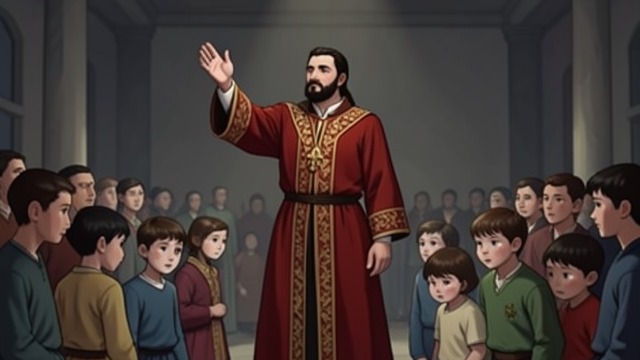
A King’s Power Threatens a Child
Authority Used Violently
The Herdman children learn that Herod can direct the visitors and intends to have Jesus killed. His position allows him to threaten a vulnerable family.
Power Becomes Personal
The children do not treat the king as a distant biblical name. They ask what he is like and what he can force others to do.
The Search for Consequences
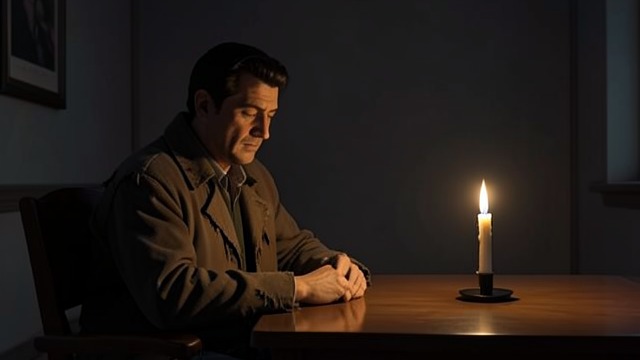
The Villain’s Death Is Unsatisfying
An Ordinary Ending
The narrator and her family do not know what happened to Herod. The Herdmans look up his history and learn that he dies of an unspecified illness.
Justice Remains Unanswered
His violence and ordinary death leave the children dissatisfied. Their questions expose the difficulty of a story in which power does not receive a visible punishment.
The Visitors Consider Obedience
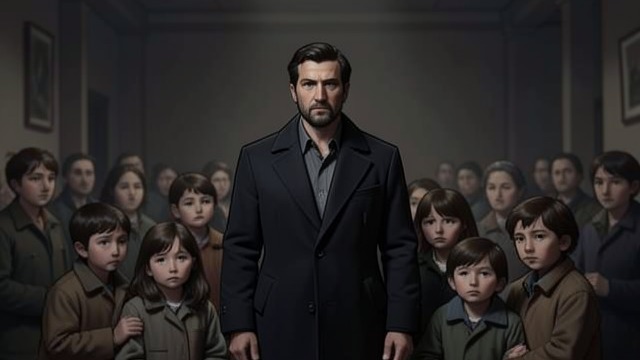
The Wise Men Face a Choice
Returning to the King
Leroy asks what would happen if the Wise Men reported the child’s location to Herod. The question makes obedience to authority morally uncertain.
Protection Versus Compliance
Ralph recognizes the danger, while Imogene rejects the idea that Herod will succeed. The children’s argument turns the visitors’ route into a question of whether authority deserves loyalty.
The Church Faces Its Own Choice
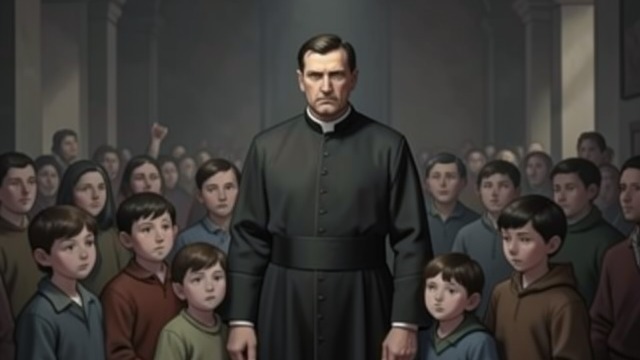
Institutional Authority Is Tested
Adults Can Exclude
Church leaders and members possess the authority to remove the Herdmans from the production. Some seek to use that authority to preserve a calmer, more respectable event.
A Different Standard
Reverend Hopkins invokes the church’s teaching that all children may come. The institution must decide whether its authority will protect order alone or make welcome real.
A Different Exercise of Power
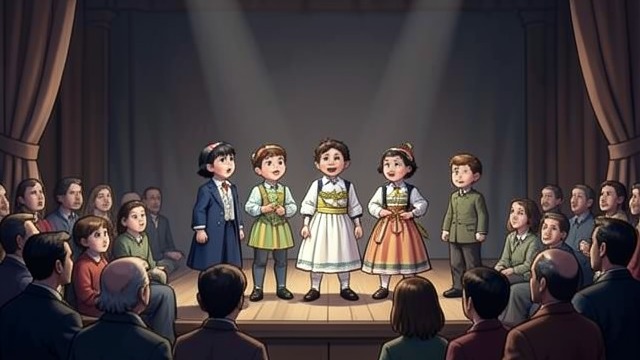
The Stage Makes Room
Participation Instead of Removal
The Herdmans remain in their roles despite complaints and imperfect rehearsals. The adults use their authority to allow, rather than silence, the children.
A More Humane Outcome
The performance reveals understanding and feeling that exclusion would have hidden. The contrast links the story’s critique of Herod’s power with a smaller, local choice about how power is exercised.
During the first rehearsal’s account of the Wise Men
After the family discusses Herod at home
During the later rehearsal discussions
After the pageant casting complaints
On Christmas pageant night
