
Learning Through Questions
The Best Christmas Pageant EverThis flow traces how the Herdmans’ questions transform ignorance from a mark of exclusion into an invitation to examine the story more honestly.
increasing Bearing strength in each event
 decreasing
Bearing strength in each eventdecreasingA Knowledge Gap
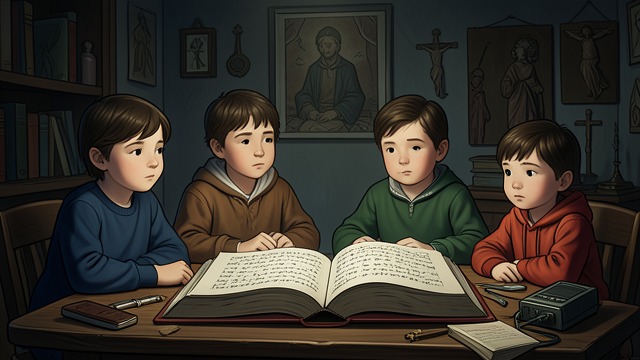
A Story the Herdmans Do Not Know
Little Religious Instruction
The Herdman children know that Christmas is Jesus’ birthday but have not learned the surrounding account. Their family life and school experience have given them little access to it.
Others Take Knowledge for Granted
The church children assume everyone knows the story. The gap becomes visible only when the Herdmans ask what its basic terms mean.
The First Questions
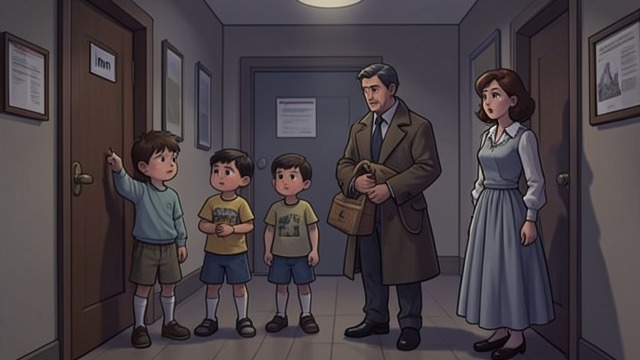
Ordinary Words Need Explanation
Inn and Shepherd
The children ask what an inn is, who stayed there, and where shepherds came from. Their questions slow down the rehearsal’s familiar sequence.
Knowledge Made Accessible
The director must explain rather than assume. The questions reveal that understanding depends on having the chance to ask without being dismissed.
Language Meets Experience
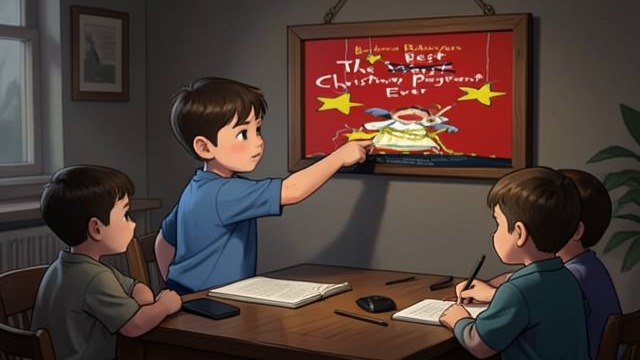
The Children Translate the Text
An Unfamiliar Phrase
When the story says Mary was great with child, Ralph calls it pregnancy. The blunt translation disrupts the room’s polished religious tone.
Meaning Becomes Concrete
The word makes the event sound ordinary and physical. That discomfort leads the narrator to consider how language can make a human experience seem either remote or immediate.
Questions Become Moral Judgments
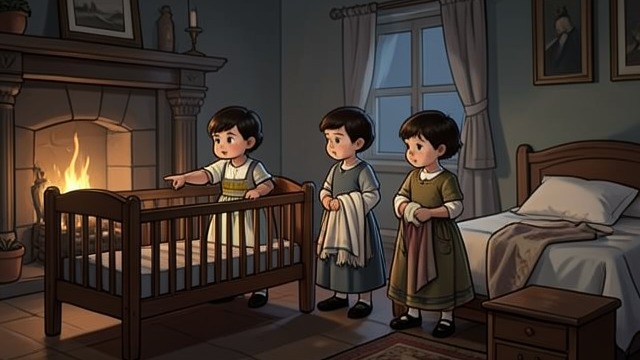
Confusion Turns into Concern
Who Cared for the Baby
Imogene questions the manger, the swaddling clothes, and the lack of a proper bed. She compares the situation with the improvised care her family used for Gladys.
The Story Is Evaluated
The children do not merely seek definitions; they ask whether the adults in the story treated the family fairly. Their lack of familiarity allows them to question what others accept without thinking.
Learning Reaches the Audience
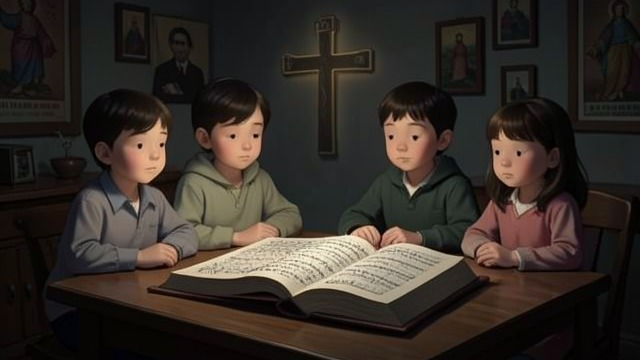
Questions Change More Than the Questioners
New Attention
The narrator sees the birth as a story about a family with no money, shelter, or familiar help. The children’s questions have altered what the experienced churchgoers notice.
Understanding as Exchange
The Herdmans learn the narrative, while the congregation learns to see its details anew. Ignorance becomes the beginning of shared interpretation rather than a reason to keep someone outside.
Before rehearsals begin
At the opening rehearsal
During the Bible reading
During the first rehearsal’s account of the birth
After the pageant performance
