Imogene Herdman
The Best Christmas Pageant EverImogene Herdman is a formidable classmate whose reputation for unsettling others gives way, during the Christmas pageant, to an unexpected display of feeling. The story first presents her through the people who keep out of her way; it then shows her listening closely to a story she does not know and crying at its performance.
Identity and Reputation
Imogene is in the narrator’s grade, and the narrator has spent years trying to stay clear of her. Even an ordinary child could attract Imogene’s attention by being especially pretty or ugly, smart or foolish, or by having something distinctive such as red hair or double-jointed thumbs. The narrator’s best chance of avoiding notice is to be unremarkable and keep quiet when the teacher asks a question such as who can name all fifty states. This account establishes Imogene’s power at school through the caution her classmates exercise around her.
In the narrator’s estimation, Imogene has learned little of the school material expected of her. What she has learned instead is dirty language and secrets about other people. The contrast makes her knowledge socially potent rather than academic: she may not excel at classroom lessons, but she is alert to information that can unsettle those around her.
Choosing Mary
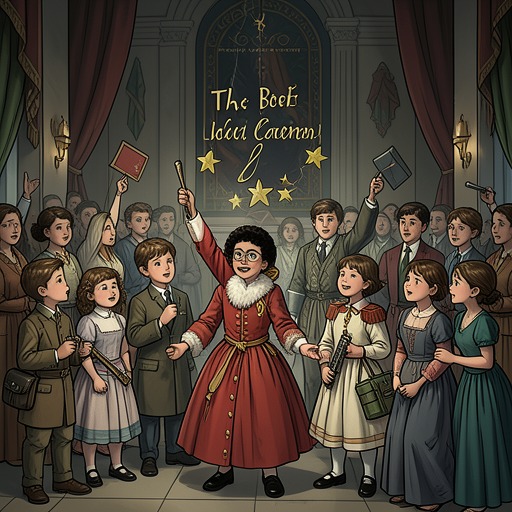
When the narrator’s mother explains that Mary should be quiet, gentle, and kind, she expects Alice Wendleken to volunteer for the role, as Alice has done before. This time, Alice sits looking at the floor and chewing a piece of her hair. Imogene is the only girl to raise her hand. Her choice sharply disrupts the adults’ expectation that she will have no interest in the pageant’s central role.
Imogene states that she wants to play Mary and that Ralph Herdman wants to be Joseph. The request places the siblings inside the pageant rather than at its edge, and makes Imogene’s unexpected participation an immediate change in how the production is taking shape. The scene does not establish why Alice remains silent; it does show that Imogene steps forward when the part is offered.
Listening to the Christmas Story
Imogene’s attention during the narrator’s mother’s reading contrasts with the Herdman family’s reputation for never sitting still or listening—not to teachers, parents, truancy officers, or police. The children keep their eyes on the reader and call out when the language is unclear. When they hear that there was no room at the inn, Imogene sits up, her jaw dropping, and reacts with disbelief that even Jesus was turned away. Her response makes the story newly vivid through the questions of someone encountering its details without familiarity.
That attention does not erase the earlier picture of Imogene; it unsettles it. The child who is usually avoided is now intent on understanding a story, and her reaction focuses on the concrete indignity of there being no place for the newborn. The episode offers an observable shift in her conduct without claiming that the story has transformed every part of her character.
Tears During the Pageant
During the performance, the narrator is preoccupied with protecting the Baby Jesus doll and initially misses the beginning of “Silent Night.” When the song reaches the verse about the Son of God, the narrator looks toward Imogene and sees that she is crying. In the candlelight, tears shine on her face; she remains in her crooked veil and does not wipe them away.
The moment reverses the audience’s expectation that the Herdman children will do something disruptive or startling: Imogene’s unexpected act is to cry. The narrator calls it the best Christmas pageant the community has ever had. Imogene’s tears do not come with an explanation, but their place at the performance’s emotional climax complicates the fear and dismissiveness through which she has previously been seen. Her response gives the pageant its decisive surprise and leaves her capacity to be moved visible without making it tidy or fully explained.