
The Archive of the Forgotten
The Best Werewolf Short Stories 1800-1849This flow follows the book’s recovery of obscure werewolf fiction and its construction of a literary genealogy.
increasing Bearing strength in each event
 decreasing
Bearing strength in each eventdecreasingPeriodical Origins
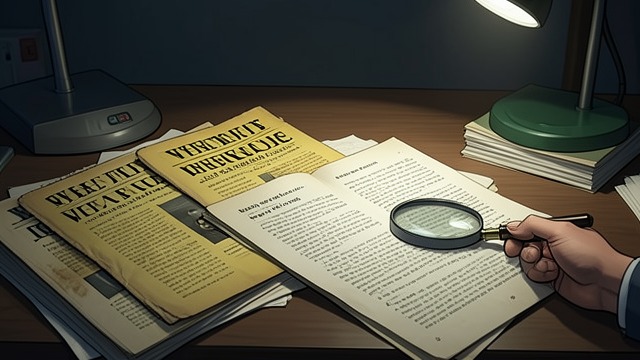
Periodical Origins
Ephemeral Publication
Several tales first appeared in magazines, miscellanies, and weekly instructors rather than durable books. Their original audiences encountered them as temporary entertainment.
Cultural Fragility
Once periodicals disappeared, the stories risked disappearing with them. Publication history becomes part of the anthology’s subject.
Historical Recovery
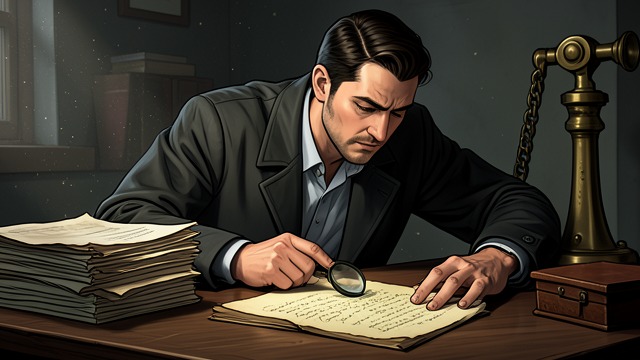
Historical Recovery
Textual Search
The collection identifies authors, dates, alternate titles, and earlier appearances. Research reconstructs works whose identities were obscured by anonymity or reprinting.
Corrective Memory
Recovery challenges the assumption that the modern werewolf story begins only with later famous writers. Literary history expands through archival attention.
Comparative Placement
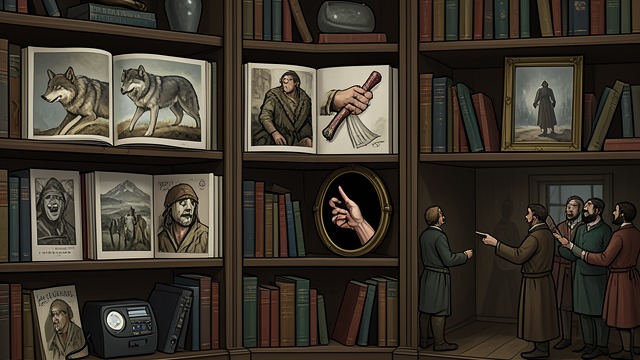
Comparative Placement
Shared Motifs
The stories are placed together so readers can compare severed limbs, white wolves, clothes, skins, curses, and social accusations.
Developmental Pattern
Repetition becomes evidence of genre formation. Each tale modifies a mechanism introduced or implied by another.
Exclusions
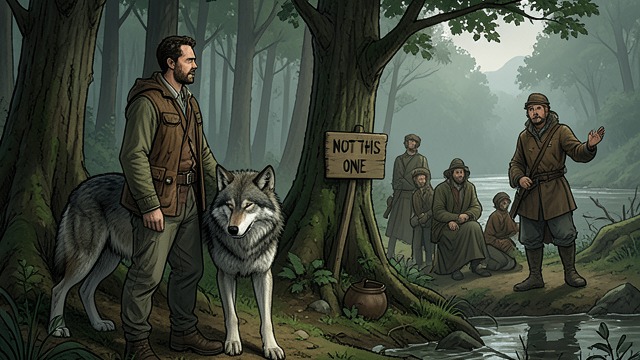
Exclusions
Border Cases
The anthology omits stories involving rabid wolves or unclear water creatures. It also distinguishes passing references from sustained werewolf narratives.
Definition
Exclusion clarifies the category by showing where human transformation is uncertain. A genre is shaped as much by boundaries as by inclusions.
A Literary Lineage
A Literary Lineage
From Legend to Fiction
The collection connects classical metamorphosis, medieval romance, nineteenth-century periodicals, and later horror traditions.
Lasting Transformation
The werewolf survives because each era reinterprets the boundary between human and animal. Archival recovery restores not only texts but possibilities for future reading.
1828 through 1846
the anthology’s editorial research
the anthology’s sequence of stories
the appendix discussion
near the book’s ending
