
The Birth of the Werewolf Short Story
The Best Werewolf Short Stories 1800-1849This flow traces the anthology’s argument that nineteenth-century short fiction transformed scattered werewolf superstition into a modern literary form.
increasing Bearing strength in each event
 decreasing
Bearing strength in each eventdecreasingAncient Superstitions
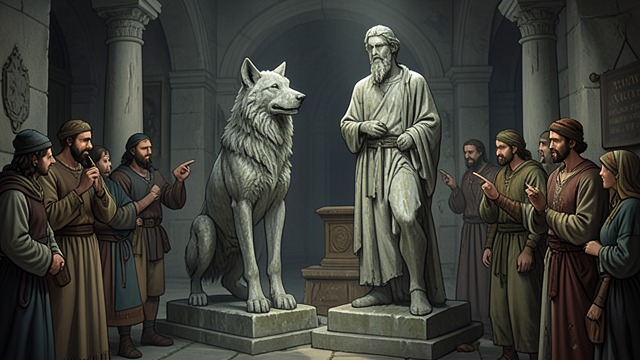
Ancient Superstitions
Mythic Origins
The book begins with legends in Greek, German, French, and English traditions. Werewolf belief emerges from fears of sorcery, demons, wolves, and human violence.
Literary Potential
These traditions provide the raw material later writers reshape into character-driven tales. The monster is already both human and animal before short fiction gives it psychological depth.
Poetic Transformations
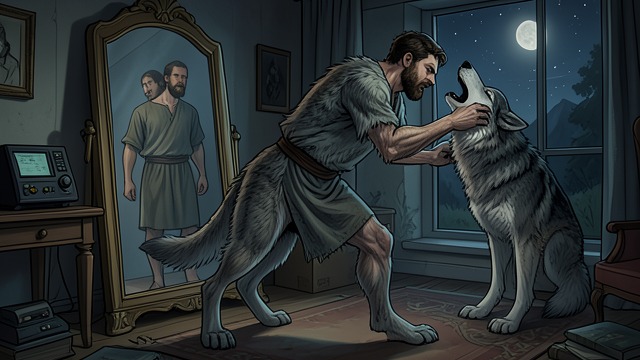
Poetic Transformations
Ovidian Precedent
The transformation associated with Lycaon establishes clothing becoming fur, limbs changing, and speech failing. Metamorphosis becomes a dramatic process rather than a mere label.
Medieval Continuity
Medieval poems preserve the figure through romance and moral allegory. The anthology presents this inheritance as the bridge between folklore and later prose fiction.
The Short Story Emerges
The Short Story Emerges
Compact Horror
The nineteenth-century tale can isolate one curse, one night, or one revelation more sharply than a sprawling romance. Its compression intensifies suspense.
Genre Formation
The collected stories show werewolf fiction experimenting with historical legend, comic confusion, social persecution, and supernatural tragedy. Together they establish a flexible genre.
Anthology Selection
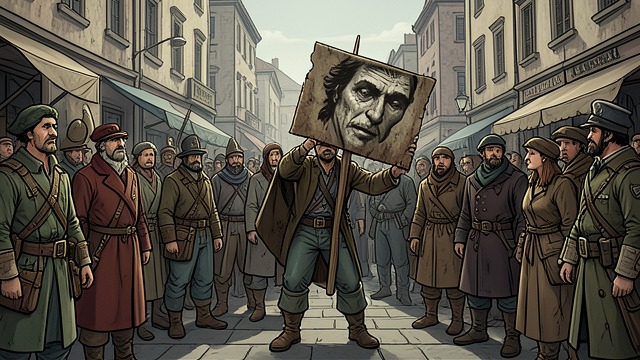
Anthology Selection
Defining Boundaries
The collection excludes ordinary tales of rabid wolves and uncertain water creatures. It seeks stories in which human identity and lupine form meaningfully intersect.
Critical Purpose
Selection becomes an argument about origins. Rare period texts are placed beside familiar traditions so that forgotten experiments become visible as part of literary history.
Modern Monster Inheritance
Modern Monster Inheritance
Genre Legacy
The stories preserve rules involving skins, weapons, clothing, wounds, and curses. Later horror inherits these mechanisms while changing their emotional emphasis.
Human Center
The lasting power of the werewolf lies less in the animal body than in threatened identity. Each tale asks whether society, guilt, desire, or magic creates the beast.
early historical background
classical era through the Middle Ages
19th century
the book’s editorial frame
near the anthology’s conclusion
