Lycaon’s transformation into a wolf
The Best Werewolf Short Stories 1800-1849Lycaon’s transformation into a wolf is the foundational metamorphosis through which the book traces the werewolf’s passage from ancient myth into later folklore, poetry, and short fiction. In Ovid’s Metamorphoses, Lycaon’s ferocity leads Jupiter to deprive him permanently of human form; the punishment is not merely an external disguise but a conversion of body, appetite, movement, and social identity. The episode therefore supplies a durable literary grammar for the werewolf: the human being becomes an animal while recognizable remnants of the former person remain visible within the transformation.
Mythic Background and Punishment
The episode belongs to the ancient poetic history of the werewolf, long before the monster acquired its later German, French, English, and Germanic names. The book places it within a wider claim that modern monsters germinated from superstition, developed through folklore and legend, and eventually entered literature. Werewolf beliefs already existed in Greek, English, Italian, German, and French traditions at the beginning of the nineteenth century, but Ovid’s account is treated as an especially important literary ancestor because it gives transformation a fully developed poetic form.
Lycaon’s change is imposed by Jupiter after Lycaon has become so ferocious that his nature is judged wolf-like. The punishment reaches beyond death or temporary disguise: he is deprived of ever attaining human form again. This permanence distinguishes the episode from a simple costume change or a reversible enchantment. Lycaon crosses a boundary between human and animal and is left on the animal side of it, making the metamorphosis both a moral judgment and an irreversible alteration of identity.
The Transformation of Body and Appetite
Ovid’s translated passage describes the change through a sequence of physical substitutions. Lycaon flees in terror into the silence of the countryside, where he can no longer speak. His desire for the slaughter to which cattle had once been subjected continues, but it is now joined by delight in blood. The transformed figure therefore retains a violent impulse while acquiring the feeding habits of the wolf; the punishment makes his inward ferocity legible through animal appetite.
The body then changes piece by piece. His garments pass away into hairs, his arms become legs, and he becomes a wolf. Yet the metamorphosis does not erase every human trace. The poem preserves the marks of the former shape, including the same grayness and the same fierce appearance. The result is a hybrid image rather than an entirely unrelated animal: the wolf is visibly continuous with the punished man, and the continuity makes the transformation recognizable.
The loss of speech is equally significant. Lycaon wants to speak but cannot, so the transformation removes the human faculty through which guilt, explanation, or appeal might be expressed. His remaining communication is animal flight and behavior. The episode thus links bodily transformation with the collapse of human language, presenting the werewolf as a figure whose former identity survives in appearance and appetite but not in ordinary speech.
Literary Afterlife and Type Formation
The book identifies the described conversion of clothes into wolf hair and arms into legs, together with the inability to speak, as the first example of its kind in recorded poetry. That assessment makes Lycaon’s transformation more than an isolated mythic incident: it becomes a template for later representations of shapeshifting. The episode supplies the sequence of moral transgression, divine or supernatural punishment, bodily change, altered appetite, and incomplete erasure of the human form.
A thousand years later, poets of the Middle Ages continued the lycanthrope legend. The book points to the late twelfth-century Roman de Guillaume de Palerne, later translated as William and the Werwolf, and to the thirteenth-century French poet Marie’s Lai du Bisclavaret. The latter is specifically identified as a werewolf poem whose lines were quoted at the beginning of The Wehr-Wolf: A Legend of the Limousin. These works show the legend moving through different languages and literary settings while retaining the central problem first made vivid by Ovid: how a human identity persists, or fails to persist, beneath an animal form.
The werewolf also entered English poetic tradition through Michael Drayton’s The Moon-Calf, written in the late sixteenth or early seventeenth century. There the fierce wär-wolf is associated with a thirst for the blood of cattle, extending the older connection between animal violence, blood, and supernatural fear. By the nineteenth century, the monster made its greatest literary advance from poetry into the short story. The period from 1800 to 1849 is described as the cradle of werewolf short stories, even though relatively few such works were written and novels about werewolves remained scarce.
From Metamorphosis to Folklore
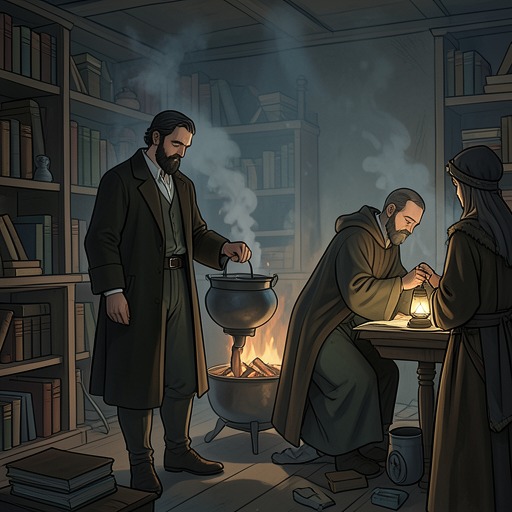
Later folklore preserves several elements already visible in Lycaon’s transformation. In the account cited from The Menageries: Quadrupeds, the were-wulf is described as a sorcerer who applies an ointment, puts on an enchanted girdle, and appears to others as a wolf while also believing himself to possess the wolf’s shape and nature. Unlike Lycaon’s divinely imposed punishment, this version emphasizes sorcery and a transformation mediated by an object. Nevertheless, both accounts make the change affect perception, nature, and behavior rather than outward appearance alone.
The same folklore tradition explains why wolves were imagined as especially demonic predators. Once a wolf had tasted human flesh, it was said to prefer human flesh to every other food. This belief helped turn ordinary wolf behavior, including attacks on livestock and the disinterment of corpses during severe winters, into evidence of supernatural possession. In the countryside around Ashford, real wolves entering a cemetery through a breach in its walls and a mendicant’s accidental death at a carved stone cross were attributed to the Wulfrics under their supposed guise of wer-wolves. The narrative pattern echoes Lycaon’s transformation by allowing physical evidence of animal violence to be interpreted as proof of a human being’s monstrous alteration.
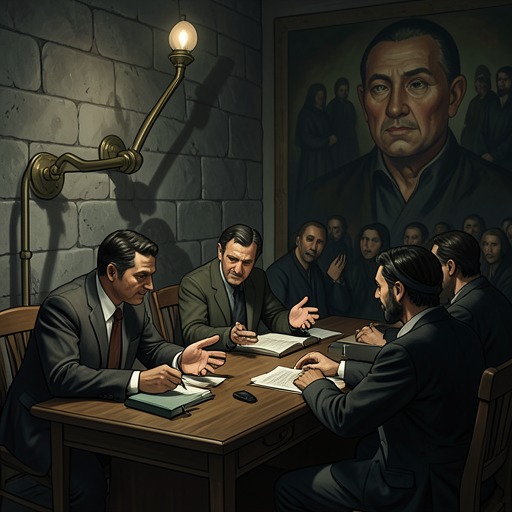
The same process appears in later fictional persecution. In 1588, suspicion against Michael Thilouze and Francoise Thilouze grows after the Marquis de Montmorenci and the Count de Vardes turn against them. A rumor claims that Francoise, when seen walking with Victor de Vardes in remote parts of the domain, suddenly changed into a wolf and ran away. The story is not established as fact; it is a socially manufactured accusation, strengthened by the belief that witches could become wolves, cats, or hares and by the presence of a large wolf that had escaped the foresters’ guns. Here the ancient metamorphosis becomes a weapon of communal suspicion: the wolf’s shape is projected onto a vulnerable person by those seeking confirmation of an existing prejudice.
The White Wolf and Repeated Pattern
The book’s later embedded narrative repeats the structural logic of Lycaon’s transformation through the white wolf’s lure in the Harz Mountains. A hunter follows a large white wolf for several hours as it retreats, pauses, snarls defiance, and then moves away again. The chase carries him upward into an open space in the pine forest believed to be inhabited by evil influences. When he approaches closely and raises his gun, the wolf suddenly disappears. The scene preserves the older pattern of pursuit, boundary crossing, and the collapse of ordinary explanations, although its transformation is withheld from the hunter rather than shown directly.
The same story also distinguishes an actual animal from the supernatural horror that may use animal form. A later attack ends with the naked form of Krantz being carried away by an enormous tiger through the jungle. This is not Lycaon’s transformation, but it demonstrates how the book repeatedly separates ordinary predators from the human or supernatural identity attached to them. The wolf, white wolf, were-wolf, and tiger occupy different narrative functions; together they show how animal behavior, human violence, and supernatural judgment can be made to overlap without becoming identical.
Narrative Significance
Lycaon’s transformation establishes the metamorphosis plot as a moral and bodily reversal. A man whose conduct has become wolf-like is made literally wolf-like, and the punishment externalizes what was already present in his violence and appetite. The event’s power lies in the tension between continuity and rupture: the old form disappears, yet its traces remain; speech fails, yet the desire to speak survives; human identity is condemned, yet it remains visible in the wolf’s appearance.
That tension helps explain why the episode remains central to the book’s history of the werewolf. Later stories alter the cause of transformation—divine punishment, sorcery, an enchanted girdle, inherited suspicion, or supernatural pursuit—but repeatedly return to the same questions first crystallized in Ovid’s poem. What makes the wolf human, what makes the human monstrous, and whether a transformed being can ever return are questions carried from ancient poetry through medieval lays, early modern folklore, and nineteenth-century short fiction. Lycaon’s permanent loss of human form supplies the earliest decisive answer: transformation becomes punishment when it makes outward nature permanently reveal inward violence.