Kathy and Mitch's marital crisis
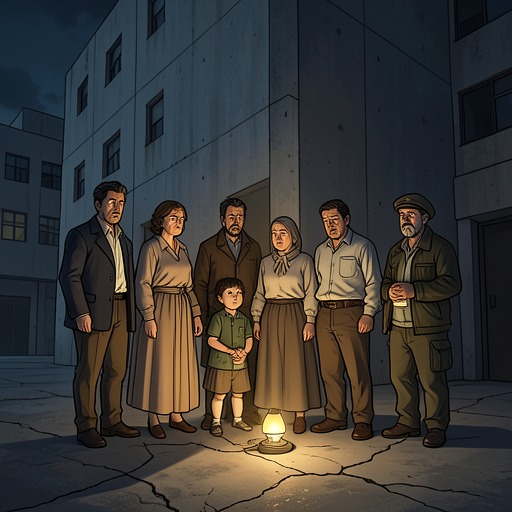
The Birthday PartyKathy and Mitch Hamilton’s marital crisis is not simply a loss of affection: it is a breakdown of trust sustained by secrecy, inherited family tensions, and the consequences of trying to shield their children from adult conflict. Their relationship, which began when Mitch was eighteen and Kathy was twenty-one, has lasted twenty-three years, but by the time they seek help, Kathy doubts that love alone can restore what has been lost.
A Marriage Under Strain
During a counseling session, Mitch names a change Kathy has tried not to discuss: she no longer lets him kiss her. He is hurt when she initially denies it, and explains that the distance feels larger than physical intimacy. He believes Kathy is changing, that the family dynamic has shifted, and that Fay has noticed. What frustrates him most is that Kathy will not open up to him or to the therapist.
The therapist cautions against describing Kathy as refusing to speak, suggesting instead that broken trust can make openness difficult and that rebuilding it takes time. Mitch, however, sees Kathy’s guardedness as a pattern: she keeps her feelings inside and does not let anyone close. Kathy resents having to air private matters in front of a stranger, and believes the discussion is moving away from the real reason for their distress.
Their differences also surface in their shared surname. Kathy explains that she proposed the family take the Hamilton name to preserve her family’s lineage, a concern shaped by the scarcity of boys in her family. Mitch says Kathy’s mother still resents his taking the name and suspects him of using it to advance his business. He feels like the wrong person in the relationship, while Kathy wants to end the argument by insisting that their long partnership and approaching eighteenth wedding anniversary should matter more than old grievances. Mitch’s question about whether love is enough leaves her frightened that he may have given up.
Secrecy and the Loss of Trust
The breach at the heart of the marriage becomes clearer when Kathy describes learning that Mitch had had a brief affair with a younger woman six years earlier and had been visiting the daughter born from it every month for five years without telling her. Kathy’s shock is compounded by the realization that she had not suspected him. She later asks Megan whether it was difficult to let Mitch change the child’s surname to Hamilton and present the arrangement as an adoption, bringing the family’s carefully maintained account into direct discussion.
That concealment shapes the couple’s response to the search for Charlie as well. When Chase Cooper presses them to disclose anything else, Kathy tells him that Charlie is adopted and that she has been living with the family for only six months. Mitch reacts angrily to Kathy’s decision to reveal this without warning him. Kathy argues that Chase would have found out eventually. Their disagreement shows how, under pressure, they still approach disclosure differently: Kathy chooses to bring a damaging secret into the open, while Mitch experiences the choice as another rupture between them.
Counseling and attempts to spend time together do not resolve the underlying problem. The couple has already tried going on dates; those outings have sometimes led to physical intimacy, but Kathy recognizes that the trust between them remains absent. She is beginning to believe it may not be possible to recover it. Mitch’s complaint that she will not confide in him and Kathy’s fear that openness will expose her further leave them caught between the wish to preserve their family and the inability to feel secure within the marriage.
Inherited Conflict and Its Effects on Fay
As the family’s wider history emerges, Kathy sees her marriage in relation to the household in which she grew up. Her therapist had linked her food-related difficulties to her parents’ arguments. Watching her parents clash over whether Mitch’s infidelity made him capable of murder, Kathy realizes that her father had also been unfaithful and recalls how her mother had used Kathy’s knowledge of Mitch’s affair against her. She wonders whether concealing the affair and pretending that nothing was wrong repeated the very pattern that had harmed her as a teenager.
That recognition changes how she understands Fay’s anxiety and need for therapy. Kathy fears that the atmosphere of her marriage may have affected Fay as her parents’ conflict affected her. Rather than treating the crisis as a private disagreement between spouses, she sees a family pattern passing between generations: adults conceal or normalize marital injury, while their children absorb the instability. She resolves that she must do better and break the cycle.
The conflict deepens when Kathy confronts Connie Hamilton about the circumstances that shaped her life. Connie says the baby Kathy gave up would eventually have destroyed the family. Kathy answers that being forced to give her daughter up took away her choice and affected both her and Megan; she connects that decision to the circumstances that led her to sleep with her therapist, Evan Harris. The exchange places Kathy and Mitch’s damaged marriage within a larger history of parental control and withheld truths, without making their own choices disappear from view.
Separation and a Different Family Name
By the aftermath, the marriage has changed materially as well as emotionally. Mitch has moved out of the family home and into a place of his own, with a spare room for Fay, who is spending time with him while Kathy and Megan get to know each other. He is grieving and also struggling with the fact that Kathy did not feel able to tell him what happened to her as a teenager. Kathy has tried to explain that her silence did not mean she never loved him, but he still has much to work through.
The family’s name, once a symbol of lineage and status, becomes part of their attempt to mark a new beginning. At Charlie’s grave, Kathy asks Megan how she would feel about Kathy changing her surname to Carter. Fay has already said she no longer wants to be a Hamilton, a name that has lost its former prestige for her. Mitch, too, is keen to leave the Hamilton name and return to Bowers. These choices do not resolve the marriage, but they register a shared rejection of the family identity that once helped conceal resentment and wrongdoing. The crisis ends in separation and unfinished grief, alongside a deliberate effort to build family ties on different terms.