Megan Carter's substance-use recovery
The Birthday PartyMegan Carter’s substance-use recovery shapes how she responds both to medical treatment and to suspicion after she is attacked. She identifies herself as a recovering addict, has been sober for six months, and is determined to remain free of substances. But recovery does not erase either the depression that has contributed to her drug use or the practical difficulties of managing severe injuries without medication. The story treats sobriety as a continuing effort made under pressure, not as a guarantee that risk has disappeared.
Recovery and the risk of relapse
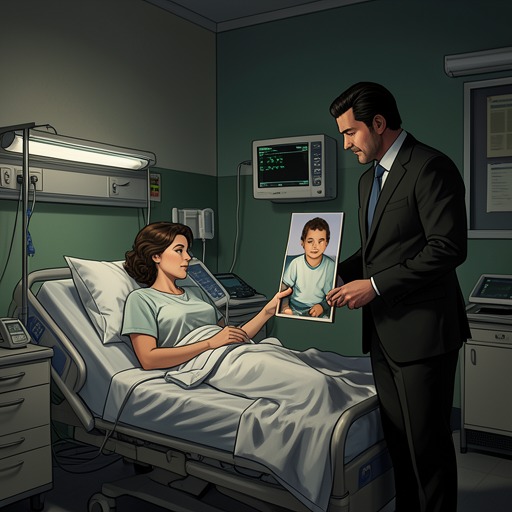
Megan tells the doctor treating her injuries, “I’m a recovering addict. Trying to be clean of everything.” The statement comes while she is in pain, with a burning throat that makes swallowing difficult. Her commitment to abstinence is clear, but so is the immediate conflict: she has been attacked and injured, and refusing all medication may make recovery from those injuries impossible.
Her past also includes an overdose on Christmas Day. In the hospital afterward, she recalls that she had been doing well, but that depression could catch her unawares; cocaine was the only thing she had found that numbed it. The recollection complicates any easy account of recovery as a settled victory. Sobriety has not removed the depression that can make using seem like relief, and the overdose remains part of the history against which she measures her present choices.
At the time of the attack, Megan has six months of sobriety. The distinction matters to her: she does not consider medically necessary pain relief for a serious injury equivalent to abandoning recovery. Her support meetings have taught her that medication prescribed for an operation or severe injury is not the same as falling off the wagon. She believes that taking it will leave her six months of sobriety intact, while still recognizing that dependence is a risk she must watch.
Pain treatment and negotiated boundaries
The doctor explains that Megan cannot feasibly recover from her injuries without some pain medication. Rather than dismissing her concern, he acknowledges that he was not aware of her recovery and offers to control the dosage carefully. He also asks her to tell him if the pain becomes unbearable so he can reassess. The arrangement gives her a way to receive necessary treatment while keeping her history and her concern about dependence part of the medical decision.
Even with medication, the pain remains intense. Megan therefore agrees to the doctor’s plan, not because her worry has vanished, but because she has no practical alternative. She winces as the throbbing runs through her throat. The scene makes the tension concrete: recovery requires vigilance, but so does healing from an attack, and protecting sobriety cannot mean pretending that an untreated injury is manageable.
Her boundary is not an absolute refusal of medication. Instead, she has to distinguish prescribed treatment from the substance use she is trying to leave behind, and to trust a limited plan while remaining alert to its risks. That distinction is especially consequential because the medication is offered in response to real injuries, not as a casual choice. Her recovery is shown as a judgment she must make in context, with pain, medical advice, and fear of dependence all present at once.
Past use, present suspicion
During the investigation, a detective asks whether Megan owes money for drugs or has another reason someone might want to harm her. She looks away, ashamed, before stating, “I haven’t used this year at all, and I don’t owe anyone anything.” Her answer rejects the suggestion that her attack can be readily explained by current drug debts, while acknowledging why her past makes the question possible.
Megan also pushes back against the assumptions that gather around that past. She tells the detective that there are no drug dealers, pimps, or johns in her life. She may have used drugs and alcohol before, she explains, and she may be a tattooed bartender living in a poor apartment, but she does not seek trouble; she is too busy surviving. Her response separates a history of substance use from the criminal or exploitative life the questions imply. It also exposes the strain of having to establish her credibility while she is recovering from an assault.
The contrast is central to her portrayal: Megan is neither presented as untouched by addiction nor reduced to it. She is honest about previous use and the overdose, but equally direct about the sobriety she has maintained and the life she is trying to protect. Her recovery gives her a language for asking for appropriate care and for resisting the assumption that past addiction explains present danger.
Recovery under renewed pressure
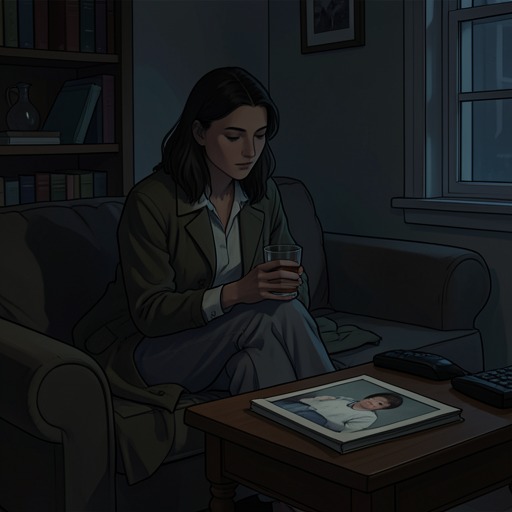
After the attack, Megan’s body is still healing as she worries about Charlie’s disappearance. The prospect of returning to ordinary life feels remote while she waits for news, and the uncertainty intensifies her anxiety. She remembers the Christmas Day overdose and recognizes that depression can arrive unexpectedly. This return to the earlier crisis connects her physical vulnerability and emotional distress without suggesting that she has resumed using.
Her account of recovery therefore holds two facts together: she has not used during the current year, and she remains aware that depression and distress have previously made cocaine feel like a means of numbing pain. After the attack, she must manage prescribed medication; as Charlie remains missing, she must also endure a different kind of pressure. The narrative does not resolve those pressures by declaring her recovery invulnerable. Instead, Megan’s sobriety is defined by repeated acts of discernment—stating her limits, accepting carefully managed treatment when necessary, and insisting that her past does not make her responsible for the harm done to her.