Summer
The Black-Eyed BlondeSummer is the season that establishes the story’s opening atmosphere: the city seems suspended in a slow, hot afternoon, while beneath that stillness a new investigation begins to stir. It also sharpens the contrast between Philip Marlowe’s detached view of the outdoors and his willingness to follow Clare Cavendish into unfamiliar territory.
Seasonal Setting
The opening takes place on a Tuesday afternoon in summer, when the earth seems almost to have stopped revolving. From his office, Philip Marlowe watches cars pass the dusty window and pedestrians drift along the sidewalk. At the corner of Cahuenga and Hollywood, a woman in a cream jacket, navy skirt, and small hat waits for the traffic light, then crosses the sunlit street. Her measured crossing gives the scene a graceful calm, while the season’s heat and apparent stillness make the afternoon feel suspended.
Marlowe and the Outdoors
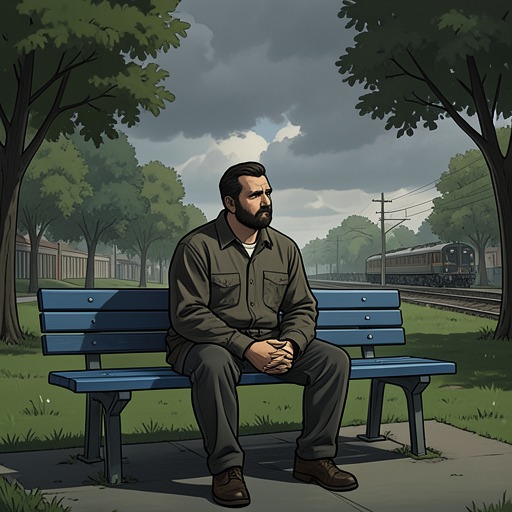
Summer is not an uncomplicated pleasure for Marlowe. He likes the idea of trees, grass, and birds, and can enjoy looking at them from the protection of a car, but being outside makes him uneasy. The sun on the back of his neck leaves him twitchy, and he feels watched by unseen eyes among leaves, fences, and burrows. His recollection that streets, rather than nature, formed the landscape of his boyhood makes this discomfort part of his character: the outdoor world is something he observes at a distance, not a place in which he feels at home.
That reluctance is set against his response to Clare Cavendish. When she suggests a walk in the garden, he makes an effort not to show how little the prospect excites him, but agrees; he would follow her even on a hike in the Himalayas. After she tells him she has seen Nico Peterson alive, she leaves to change, briefly resting three fingers on his wrist. The summer garden and the touch on his wrist mark a shift from languor toward personal and investigative tension.
Heat and the Case
The season’s oppressive weather returns when Marlowe calls Joe Green at lunchtime. He describes the heat as extreme and uses the summer afternoon as part of his explanation for wanting to talk. Joe immediately understands that the subject is Nico Peterson, whose body has been treated as evidence of death. Summer thus links the novel’s opening idleness to the case’s unsettled central question: beneath the slow pace of the afternoon, Marlowe is already pursuing the possibility that Peterson is not dead.