Ace Merrill
The BodyAce Merrill is the undisputed leader of Castle Rock's older juvenile delinquent gang, a figure whose casual cruelty and physical dominance define the town's adolescent pecking order. He is the son of Junior Merrill, a local rummy who hangs out at Sukey's Tavern, and Ace himself is the hardest case for miles around, a young man who commands loyalty through fear and a willingness to inflict serious harm. His presence looms over the story's central journey, transforming a childhood adventure into a violent confrontation over a dead body and later delivering a brutal, scarring punishment that marks the end of innocence for the narrator, Gordon Lachance.
Identity and Role in Castle Rock
Ace Merrill is the archetypal town bully, a figure whose reputation precedes him. He hangs out with a crew that includes Eyeball Chambers, Charlie Hogan, Billy Tessio, Fuzzy Bracowicz, Vince Desjardins, and Jackie Mudgett, all of whom follow his lead. He drives a chopped and channelled 1952 Ford with gangster white-walls, spinner hubcaps, and a Lucite death-knob on the steering wheel; the car's back deck is painted with a deuce and a one-eyed jack and the words "WILD CARD." This vehicle is a symbol of his status and his domain. He is known for his gentle smile, which he deploys just before or during acts of violence, a disconcerting mannerism that underscores his sadistic control.
Confrontation Over Ray Brower's Body
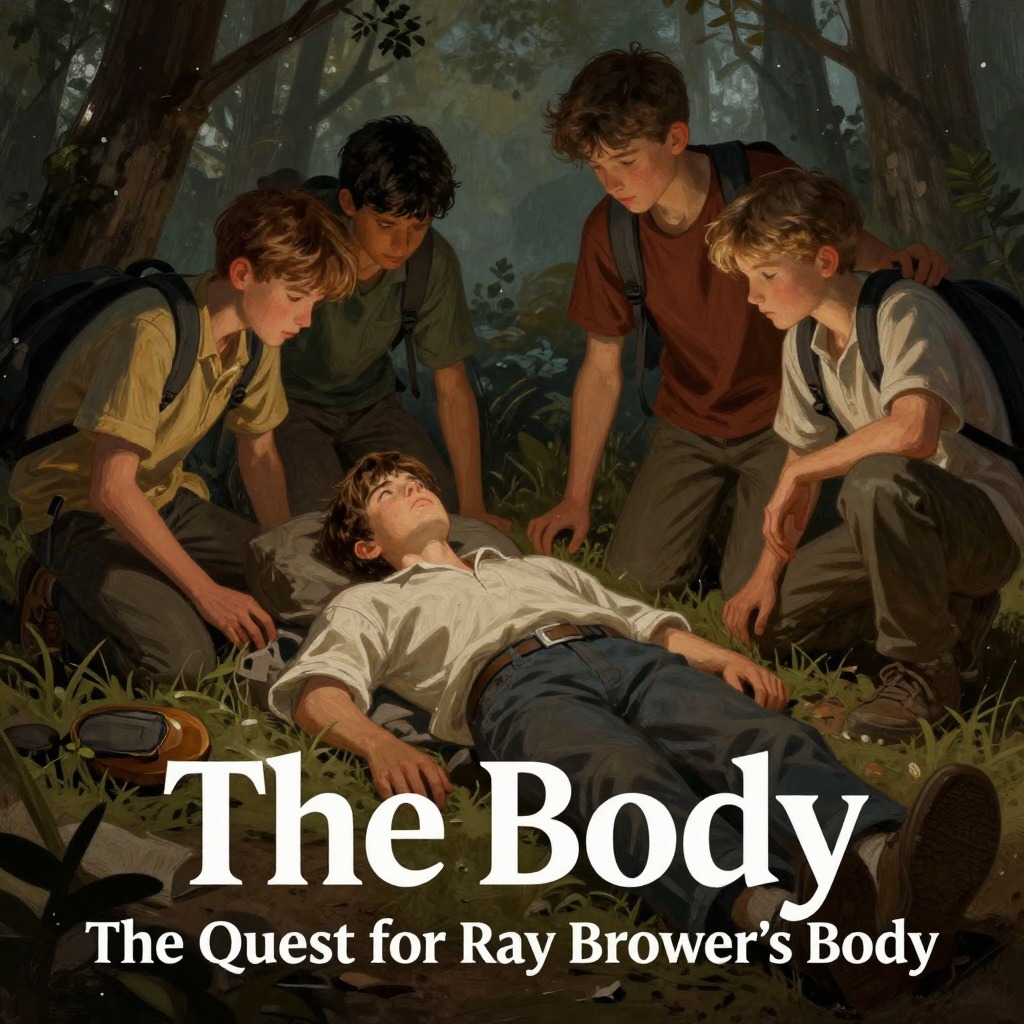
Ace's most significant role in the narrative comes when he leads his gang to the boggy patch near the Back Harlow Road where the body of Ray Brower lies. Having learned of the corpse from Charlie and Billy, Ace and his crew arrive in two cars, intending to claim the discovery for themselves. When the four younger boys—Gordon, Chris, Teddy, and Vern—refuse to yield, Ace threatens them with a beating. He is stopped only when Chris Chambers draws his father's .45 pistol and, with a chillingly sincere tone, offers to shoot Ace in the arm or leg. Ace, recognizing the genuine intent behind the threat, backs down, but not before promising retribution: "I know how you're going to come out of this, motherfuck." This confrontation is the story's climax, a raw piece of brinkmanship where Ace's physical power is momentarily neutralized by a greater threat.
Brutal Revenge and Later Life
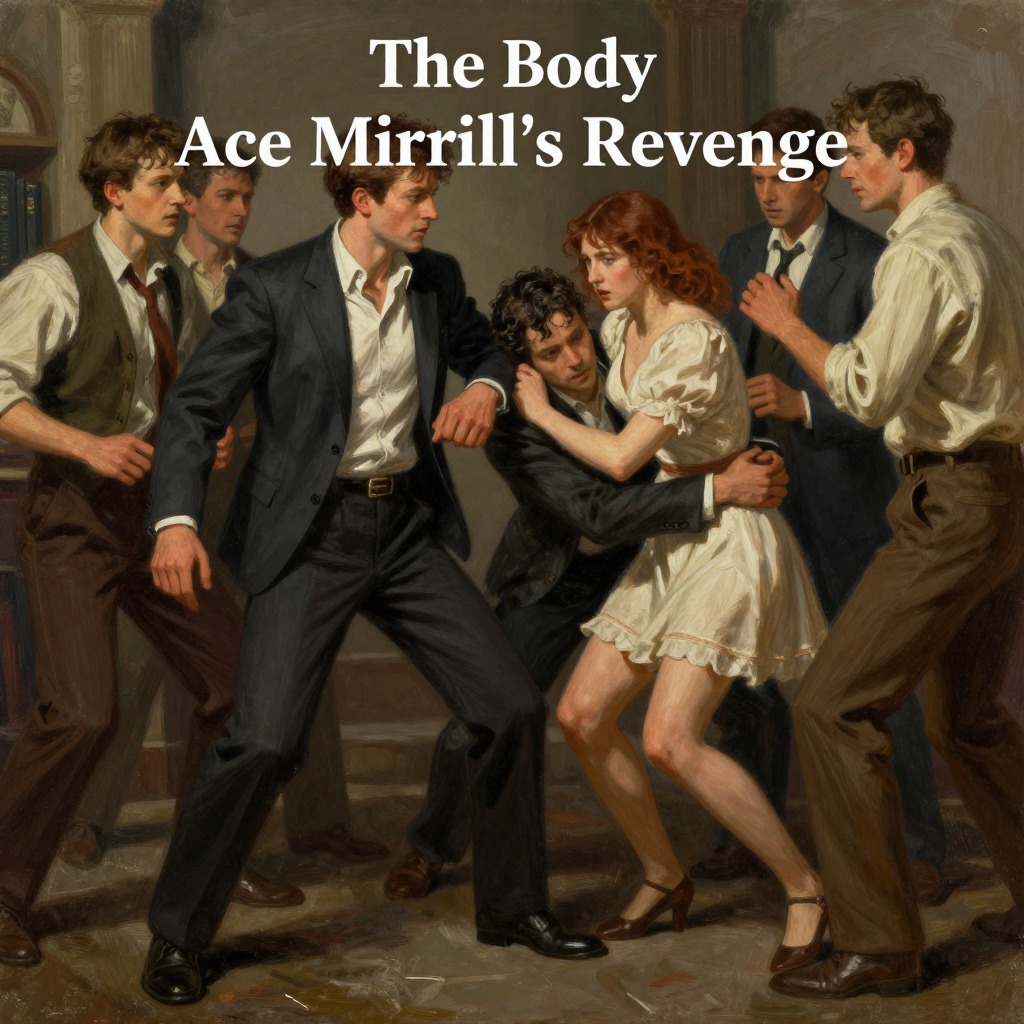
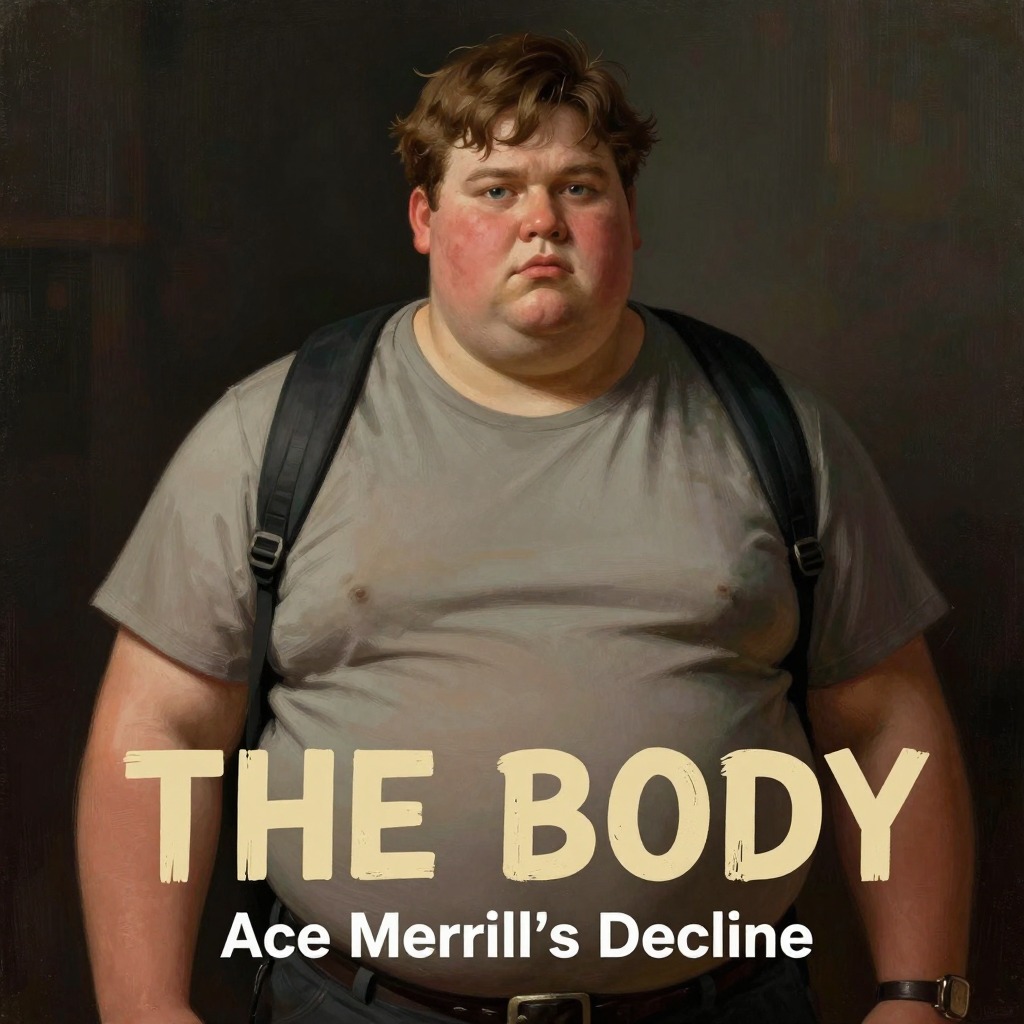
Ace's promise of revenge is fulfilled weeks later. He and Fuzzy Bracowicz corner Gordon Lachance on a sidewalk. Ace tackles Gordon, breaking his nose with a punch and stamping on his hand, breaking two fingers. The beating is savage and systematic, intended to teach a lasting lesson. Gordon's screams bring an elderly neighbor, Mrs. Chalmers, who chases the older boys off. Years later, Gordon sees Ace again, now a thirty-two-year-old man. The sharp, handsome features have been buried in an avalanche of flesh; his hair is a crewcut. He drives a 1977 Ford station wagon with a REAGAN/BUSH 1980 bumper sticker. He pulls into the dirt parking lot of The Mellow Tiger, hitches at his pants, and walks inside to join the other regulars. He does not recognize Gordon. This final image is one of a man who has settled into a life of small-town stasis, his youthful menace reduced to a faded, ordinary presence.
Thematic Significance
Ace Merrill embodies the oppressive, violent social order of Castle Rock that the four boys are trying to escape, if only for a weekend. He represents the future that Chris Chambers fears: a life of dead-end jobs, cheap thrills, and casual brutality. His eventual transformation into a fat, unrecognizable regular at a bar underscores the story's meditation on time and fate. While the boys who dared to dream—Chris, Teddy, Vern—are dead, Ace, who never left or aspired to anything, is still alive, a ghost of his former self haunting the same town. He is a symbol of the gravitational pull of a small town that can trap and diminish even its most feared inhabitants.