Billy Tessio
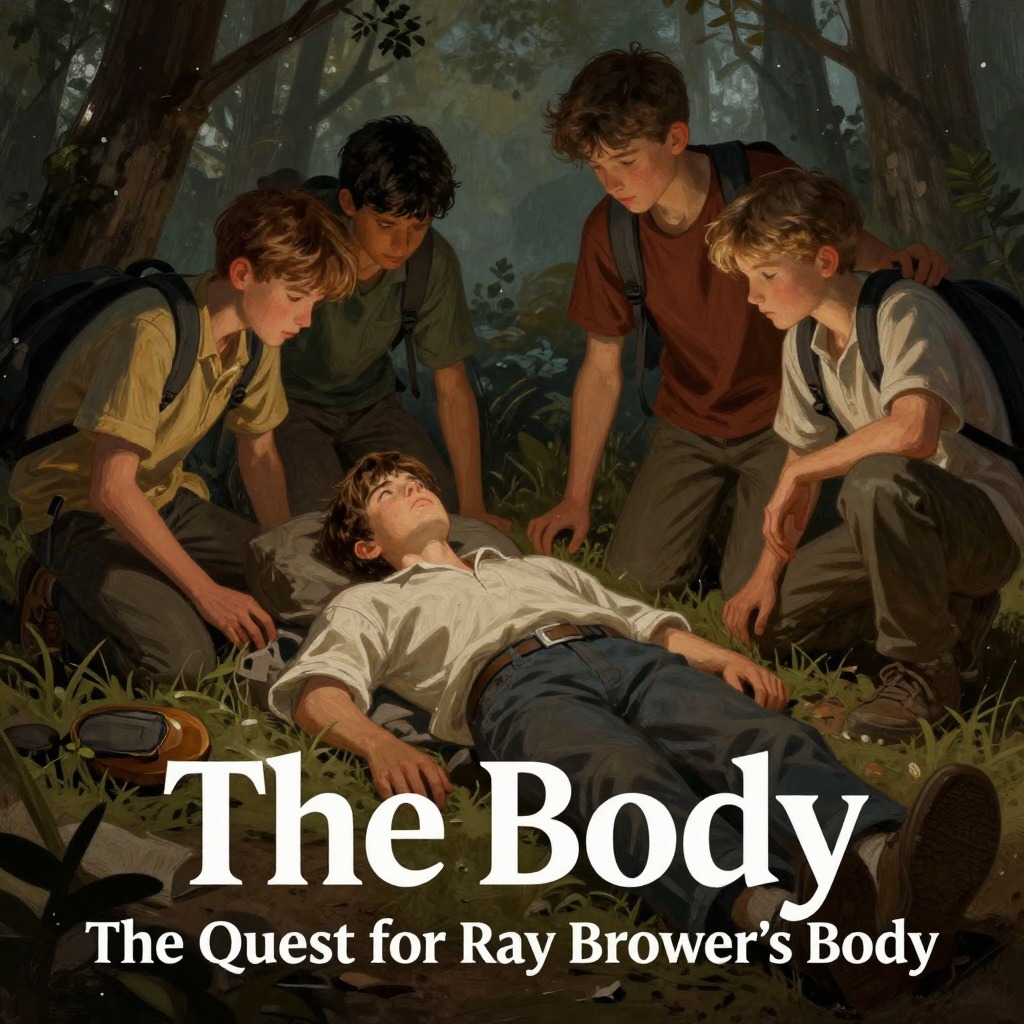
The BodyBilly Tessio is the older brother of Vern Tessio and a peripheral figure in the juvenile delinquent circle of Castle Rock, a boy whose casual cruelty and stupidity inadvertently set the central adventure of the story in motion. He is defined less by his own actions than by the secret he stumbles upon and the cowardice with which he handles it, a secret that becomes the catalyst for the four younger boys' journey to find the body of Ray Brower.
Identity and Background
Billy Tessio is the older brother of Vern Tessio, and he is described as being even dumber than his already slow-witted sibling. He is a member of the local gang of older toughs that includes Ace Merrill, Eyeball Chambers, and Charlie Hogan, a group that engages in petty crime and joyriding. Billy is characterized by a lazy, self-serving malice, particularly toward his younger brother, whom he despises. Vern, for his part, hates Billy "like the Arabs hate the Jews" and would have "cheerfully voted the death-penalty on his brother for shoplifting." This mutual animosity is a constant undercurrent in the Tessio household.
The Discovery and the Cover-Up
Billy's most significant action occurs offstage, before the main narrative begins. Along with Charlie Hogan, he had boosted a car from a Lewiston parking lot and gone joyriding with two girls on the Back Harlow Road. During a stop to urinate by the railroad tracks, they discovered the body of Ray Brower, a missing boy who had been hit by a train. Billy's immediate reaction is one of cold pragmatism. He tells the panicked Charlie, "The kid's dead so it's nuthin to him, neither. Who gives a fuck if they ever find him? I don't." He insists they keep their mouths shut to avoid any connection to the stolen car, dismissing the idea of an anonymous call because he has seen such calls traced on television shows like Highway Patrol and Dragnet. His primary concern is avoiding trouble for himself, not the fate of a dead child.
The Secret Exposed
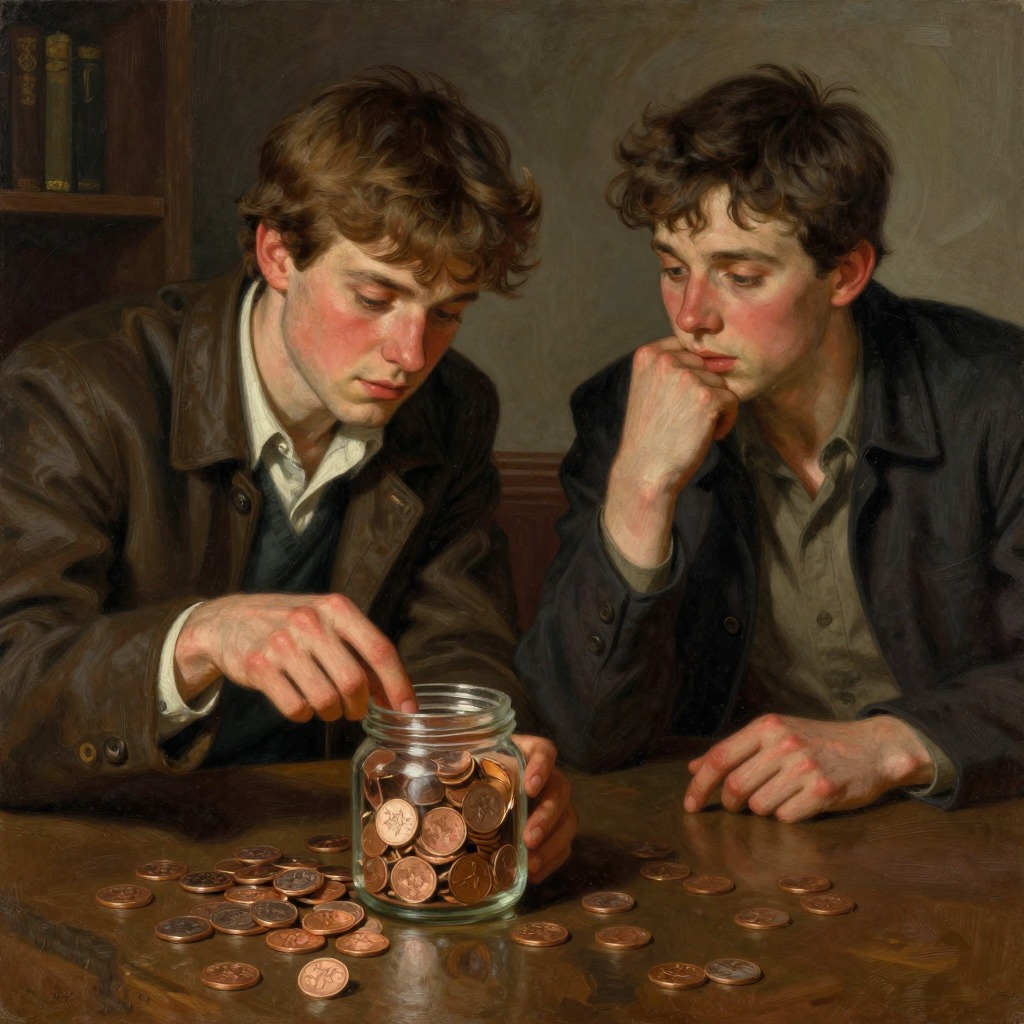
Billy's secret is accidentally overheard by his younger brother, Vern, who is hiding under the porch of their house while digging for a jar of buried pennies. Vern hears Billy and Charlie discussing the body, including the detail that Charlie vomited at the sight. Billy's casual, callous tone—"It was that kid they been talkin about on the radio," Charlie says, and Billy replies, "Yeah. It sure did. And you puked"—reveals the depth of his indifference. This overheard conversation is the crucial piece of information that Vern brings to his friends, launching their expedition. Billy's failure to check if anyone was listening under the porch is a testament to his arrogance and lack of foresight.
Confrontation and Violence
When Billy and his gang later arrive at the scene of the body to claim it for themselves, he immediately recognizes that Vern must have been the informant. He confronts his brother with a cry of "You little sonofawhore! You was under the porch! Cock-knocker!" and is ready to beat him. He is only held back by Ace Merrill. Later, after the younger boys have abandoned the body, Billy takes his revenge on Vern. He attacks him with a stovelength, hitting him hard enough to knock him unconscious after only four or five blows. Billy stops only because he becomes scared that he might have killed his brother, revealing a limit to his brutality that is born of fear rather than conscience.
Narrative Role and Significance
Billy Tessio functions as a foil to the four main boys, representing the older, more cynical, and morally bankrupt version of adolescence they are trying to avoid. His discovery of the body is an accident, but his decision to hide it is a deliberate act of cowardice. He is a product of the same environment that produces characters like Ace Merrill, a world where self-preservation trumps any sense of civic duty or human decency. His presence in the story underscores the theme of class and reputation in Castle Rock; he is a "bad seed" from a "bad family," and his actions confirm the town's low expectations. His eventual fate is not detailed, but his life trajectory is implied to be one of stagnation, a stark contrast to the potential that Chris Chambers and Gordon Lachance struggle to realize.