Norman Duchamp
The BodyNorman Duchamp is the father of Teddy Duchamp, a World War II veteran whose heroism at Normandy is overshadowed by a single, horrific act of violence against his own son. His story is one of a man broken by war, whose legacy of trauma and conflicting loyalties shapes the emotional core of the narrative, forcing a confrontation between a child's love and a community's judgment.
Identity and Background
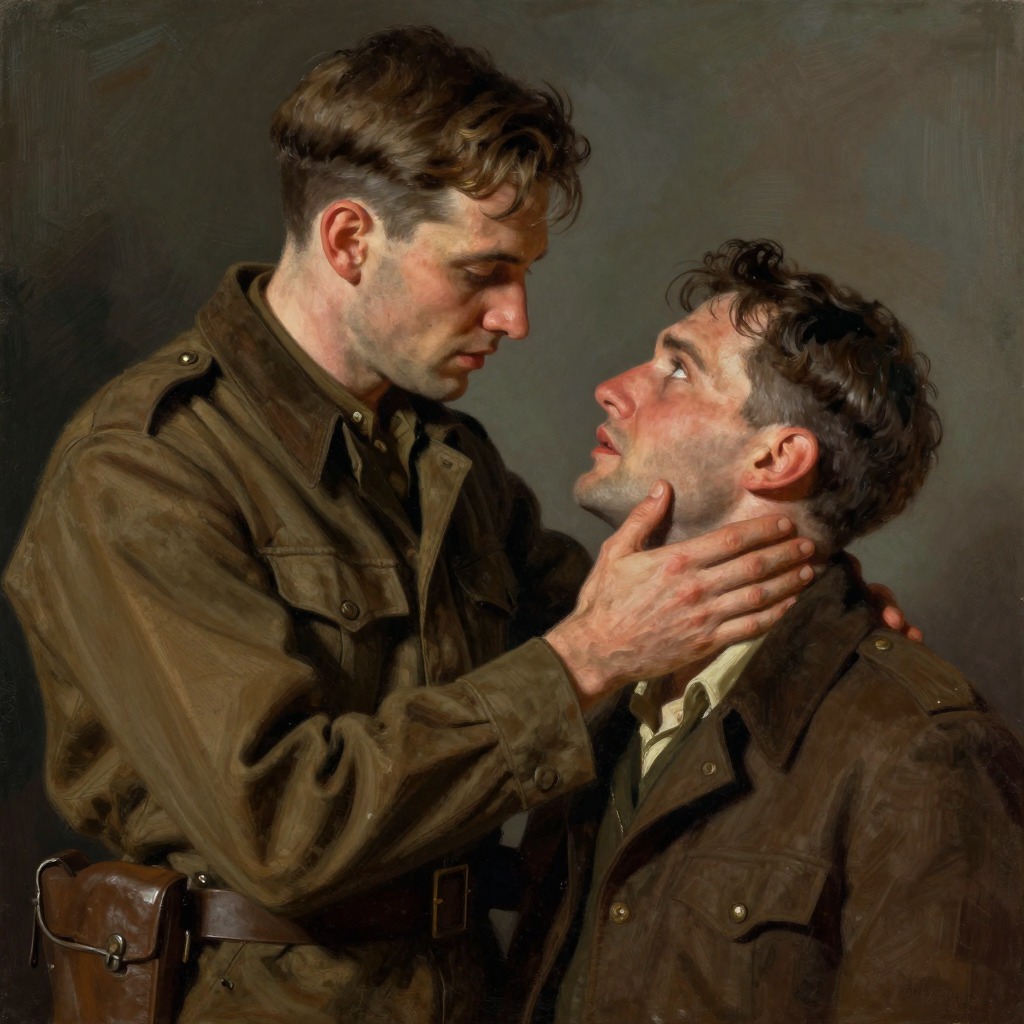
Norman Duchamp is a decorated World War II veteran who stormed the beach at Normandy, a fact his son Teddy repeats with fierce pride. He is a man of violent contradictions: a soldier who served his country and a father who, in a fit of rage, committed an atrocity against his own child. When Teddy was eight years old, Norman, angered over a broken plate, took his son to the kitchen's big woodstove and shoved the side of Teddy's head down against one of the cast-iron burner plates, holding it there for about ten seconds before doing the same to the other side. After the attack, he called the Central Maine General Emergency unit, retrieved his .410 shotgun, and sat down to watch television, pointing the gun at a neighbor who came to check on Teddy. When the ambulance arrived, he let the orderlies in but then stood guard on the back porch, warning them about "kraut snipers" and insisting he would "hold until hell was a Frigidaire dealership." The state police eventually relieved him of duty, and he was sent to Togus, a VA hospital for veterans deemed mentally unfit.
The Atrocity and Its Aftermath
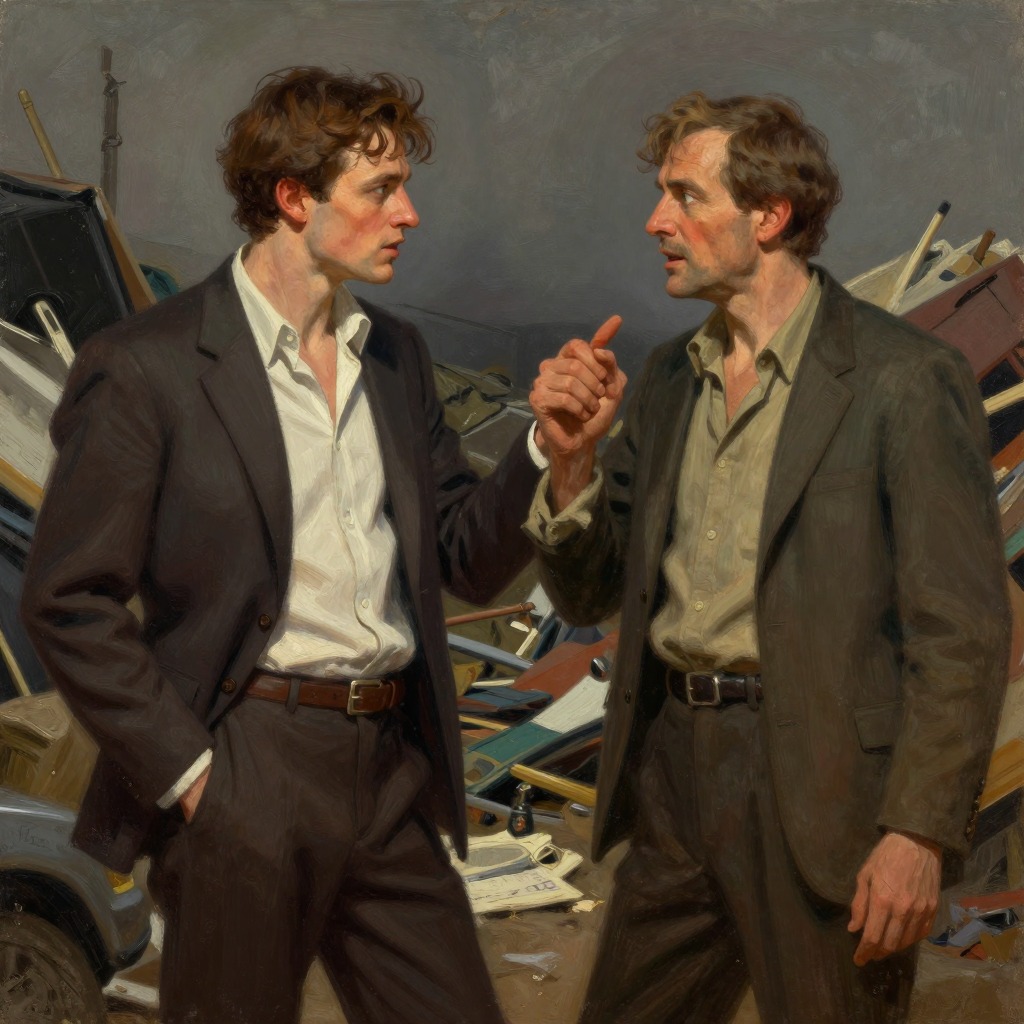
The burning of Teddy's ears is the defining event of Norman Duchamp's life in the story. The act is not a moment of madness but a calculated, deliberate cruelty, carried out with a chilling calm. After the attack, Norman's behavior becomes increasingly erratic and paranoid, a pattern that had been building for over a year, including shooting cats and lighting fires in mailboxes. His institutionalization at Togus is a direct consequence of this act, and it is there that he remains, a figure of both pity and terror. The town of Castle Rock knows him only as a "loony," a label that Milo Pressman, the dump-keeper, uses to taunt Teddy, calling Norman "crazier'n a shithouse rat" and a "fucking section eight." This public perception stands in stark contrast to Teddy's own view of his father as a war hero.
Teddy's Loyalty and the Burden of Love
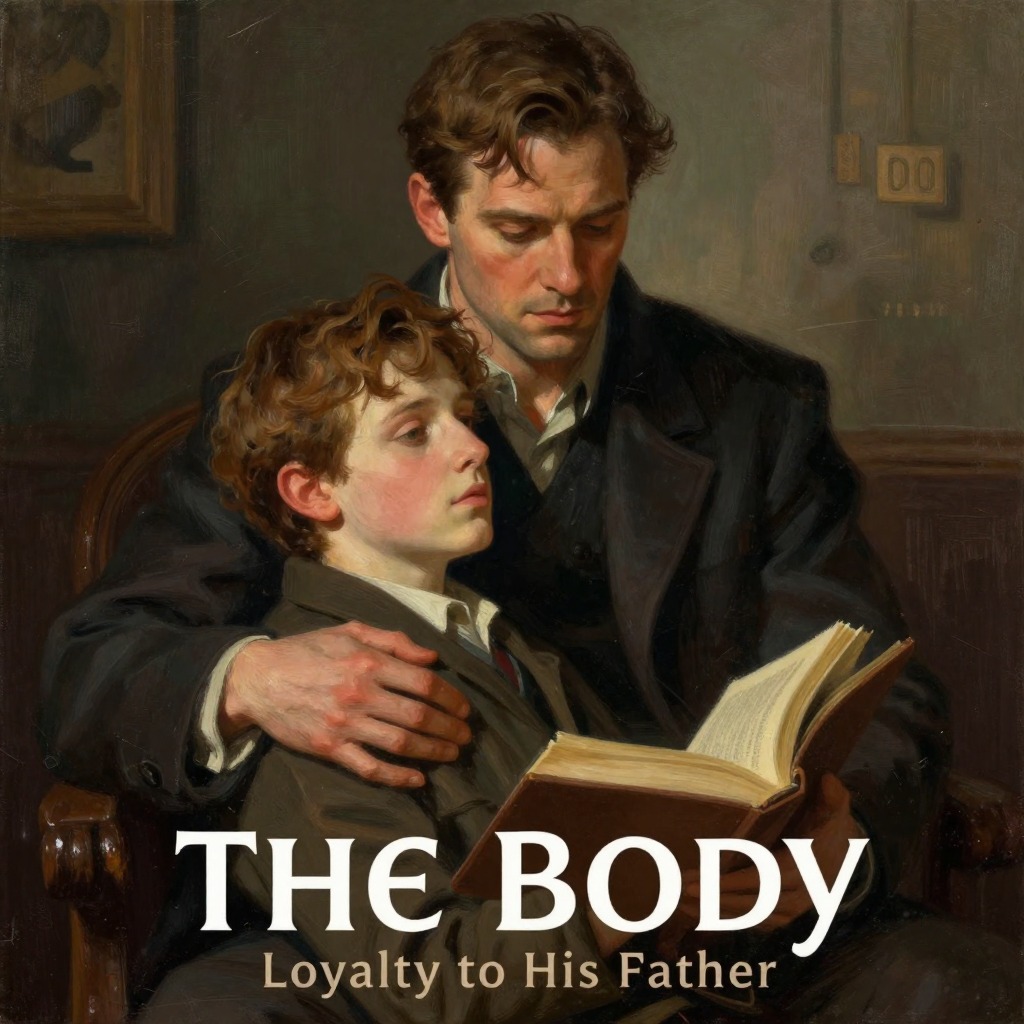
Despite the horrific abuse, Teddy Duchamp remains fiercely loyal to his father. He visits Norman every week at Togus with his mother, and he speaks of his father's war record with an almost religious reverence. When Milo Pressman insults Norman, Teddy flies into a rage, screaming, "My dad stormed the beach at Normandy, you fucking wet end!" and threatening to kill him. This loyalty is a source of deep confusion for the other boys, particularly Gordon Lachance, who wonders how Teddy can care so much for a man who "practically killed him." Teddy's devotion is not a simple matter of forgiveness; it is a complex, painful attachment to a man who is both his tormentor and his hero, a figure whose actions have left Teddy physically and emotionally scarred. The narrative suggests that Teddy's own reckless behavior—his truck-dodging, his daredevil stunts—is a direct consequence of his father's abuse, a way of courting the death that his father's violence introduced into his life.
Narrative Role and Thematic Significance
Norman Duchamp is a ghost who haunts the entire story, a symbol of the destructive power of war and the cyclical nature of trauma. He is never seen directly, only described through the memories of his son and the gossip of the town. His presence is felt most acutely in Teddy's damaged ears, his hearing aid, and his desperate need to prove his own courage. Norman's story is a counterpoint to the boys' adventure, a reminder that the world is not a place of simple heroes and villains, but of broken people who inflict their pain on those they love. He represents the "darkness on the edge of town" that the boys are daring to confront, a darkness that is not supernatural but all too human. His legacy is not just Teddy's physical scars but the emotional burden that ultimately contributes to Teddy's tragic end, a squalid car crash that the narrator calls the "Dogpiss of the Year Award."