
Human Contradiction
The Book ThiefThis flow traces the novel’s recurring movement between cruelty and kindness within the same people and institutions.
increasing Bearing strength in each event
 decreasing
Bearing strength in each eventdecreasingAlex’s Compromise

Alex’s Compromise
Party Membership
Alex Steiner joins the Nazi Party while refusing to hate Jewish people. Economic fear and family responsibility coexist with moral unease.
Incomplete Resistance
His compromise neither makes him a villain nor frees him from complicity. He represents the ordinary person who understands injustice but fears the cost of opposing it.
Rosa’s Contradiction
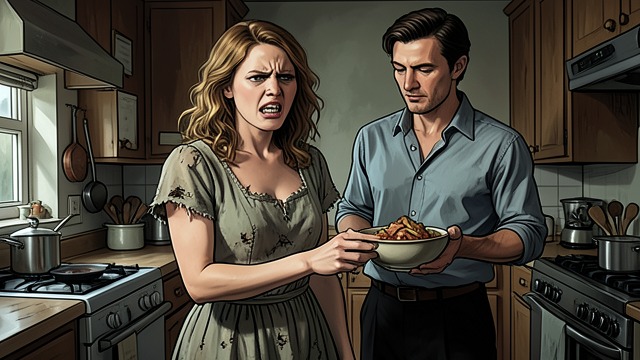
Rosa’s Contradiction
Public Harshness
Rosa Hubermann insults almost everyone and appears incapable of tenderness. Her language makes the household seem ruled by aggression.
Private Courage
She feeds Max Vandenburg, protects his secrecy, and risks punishment for the people she loves. Her cruelty and courage occupy the same character rather than canceling each other.
Hans’s Mistake
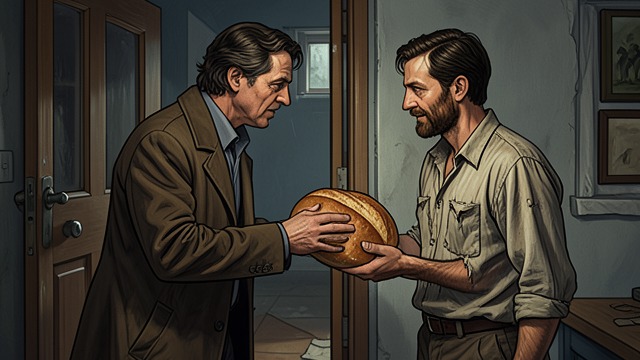
Hans’s Mistake
Compassionate Action
Hans gives bread to a starving prisoner because he cannot watch suffering without responding. His moral impulse is immediate and genuine.
Dangerous Error
The same action endangers his family and drives Max away. Goodness produces harm because it occurs within a system designed to punish it.
Rudy’s Cruelty and Care
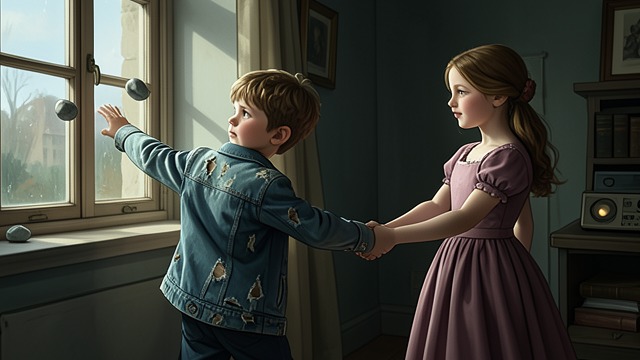
Rudy’s Cruelty and Care
Childhood Mischief
Rudy Steiner taunts strangers, steals food, and mocks Liesel. His humor often depends on provocation.
Moral Generosity
He protects Liesel, returns her shoes, gives bread to prisoners, and carries a teddy bear for a frightened child. His kindness grows through the same impulsiveness that makes him reckless.
Death’s Confession
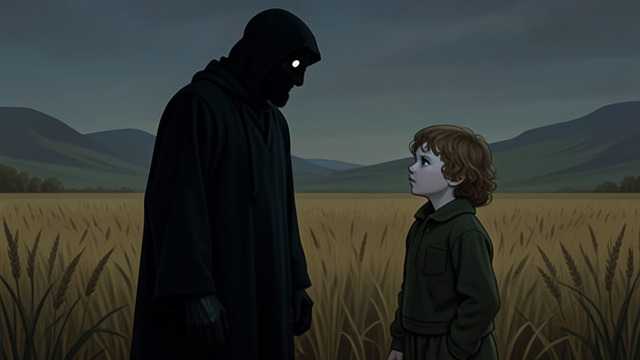
Death’s Confession
Beauty and Brutality
Death admits that humans are simultaneously ugly and glorious. He cannot reconcile their capacity for murder with their capacity for tenderness.
The Final Haunting
His statement that he is haunted by humans reverses the expected hierarchy. The supernatural narrator becomes the one unable to escape the moral complexity of ordinary people.
1936 to 1940
November 1940
Autumn 1942
1939 to 1943
Epilogue
