
Spoel’s Experimental Treatment
The Book of MirrorsThis thread follows Frank Spoel from a minor arrest through a disputed psychiatric experiment, years of resentment, and a confession that exposed the consequences of Wieder’s treatment program.
increasing Bearing strength in each event
 decreasing
Bearing strength in each eventdecreasingA Minor Arrest
From Street Crime to Hospital
A fight and an arrest
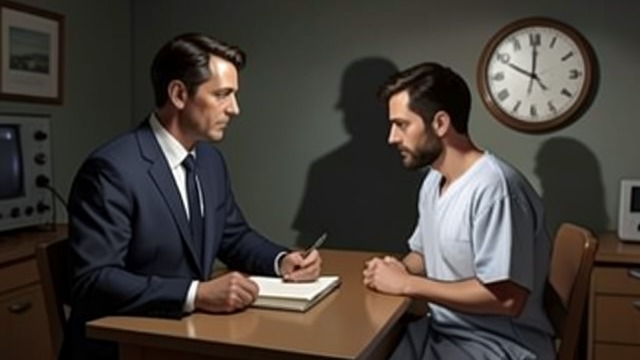
Frank Spoel described himself as a young petty criminal who beat a shop owner after a dispute over counterfeit perfume. Police arrested him before he could leave with the money he had taken.
A psychiatric alternative
Facing the prospect of a lengthy prison sentence, Spoel followed his attorney’s advice to pursue an insanity finding. Joseph Wieder assessed him and concluded that he had bipolar disorder, leading to his commitment rather than an ordinary criminal trial. Spoel later saw the decision as the start of a betrayal.
The Experimental Ward
Treatment Without Consent
A special program
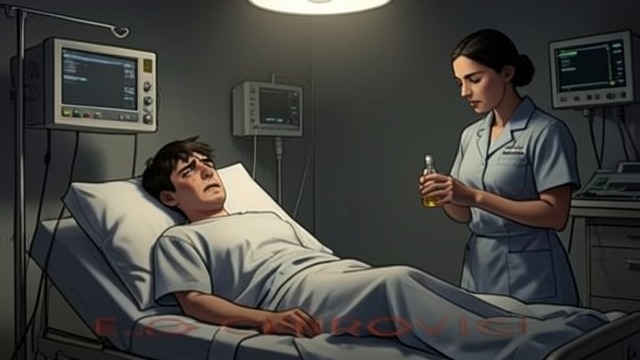
Spoel said that, about three weeks after entering Trenton Psychiatric Hospital, he was moved to a ward with other young violent offenders. He later learned that the patients were receiving experimental medication under a program coordinated by Wieder.
A patient’s account
He remembered headaches, nightmares, vomiting, rashes, and episodes of severe confusion. These are Spoel’s recollections, not an independently confirmed account of the treatment’s effects. His story nevertheless shows how powerless he felt: he believed he was sane, could not obtain release, and had little control over what was being administered to him.
A Denied Release
Wieder Refuses Release
A second assessment
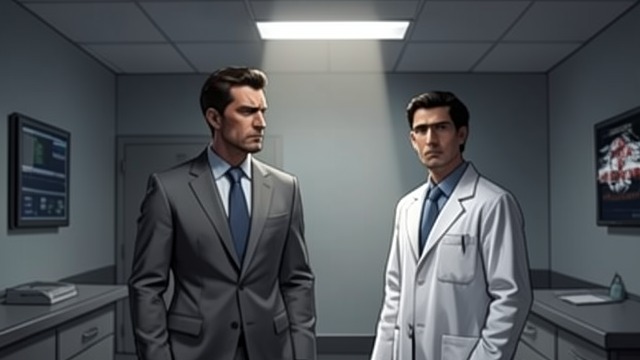
After Spoel’s original attorney was replaced, a new lawyer sought a review of his case. Spoel said he met Wieder again and asked to be discharged or transferred to a less restrictive hospital.
Resentment deepens
According to Spoel, Wieder opposed both requests and sent him back to Trenton. He interpreted the decision as proof that the professor had power over his future and had no interest in the assurances his first attorney had given him. The disputed treatment thus became a personal grievance that would survive long after he left the hospital.
Release and Grudge
Freedom Without Repair
Leaving the hospital
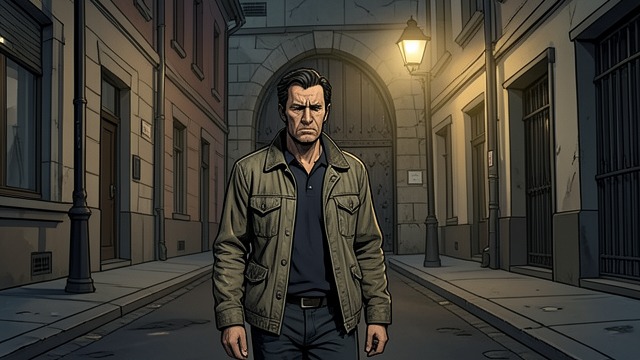
Spoel said his treatment changed after the experimental ward closed. When his case was reviewed again, Wieder was no longer on the panel, and Spoel was eventually released under supervision.
A grievance carried forward
Release did not restore his former life or erase his anger. He had lost his place among his former associates and lacked a stable home, while continuing to believe that Wieder had wronged him. After finding work near Princeton, Spoel began watching the professor’s isolated house and considering revenge.
Confession from Death Row
A Late Account
The claimed motive
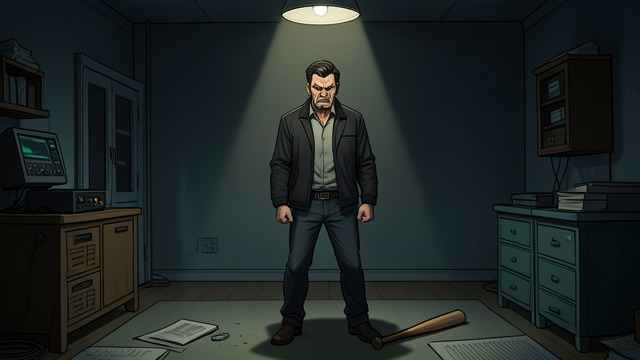
At Potosi Correctional Center, Spoel told Roy Freeman that he had attacked Wieder because he blamed the professor for his psychiatric confinement and treatment. He described striking Wieder with a baseball bat, then leaving when someone entered the residence.
A confession with limits
Spoel’s account explained a motive and supplied details about the attack, but it did not resolve who delivered the final fatal blow or who entered afterward. Freeman’s renewed investigation showed that a confession could clarify one part of the case while opening another. Spoel’s own account was essential, but not sufficient to settle every question.
Fall 1985
Several weeks after Spoel’s admission in 1985
About a year after admission
October 1987
Decades later, shortly before Spoel’s scheduled execution
