
Food, Dirt, and Adaptation
The Box ManThe narrator’s practical account of box life traces the body’s struggle to adapt to grime, scavenging, and limited resources.
increasing Bearing strength in each event
 decreasing
Bearing strength in each eventdecreasingLearning What to Keep
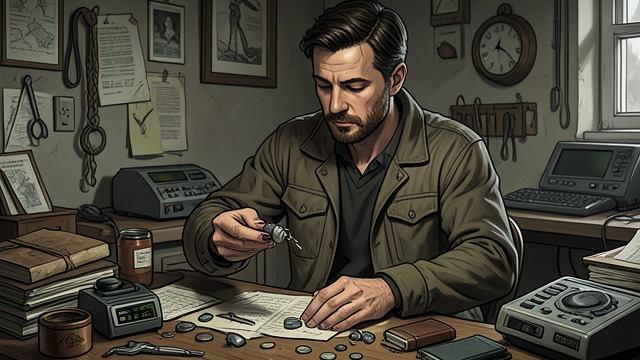
The Burden of Possessions
Useful things accumulate
The narrator recalls collecting odd objects because each might someday prove useful. Too many possessions eventually make movement difficult and force him to reconsider what a box man needs.
Repeated use as a rule
He develops a practical test: an item that is not used several times a day should be discarded. Survival depends less on owning many tools than on carrying only those with dependable purpose.
Foraging in the City
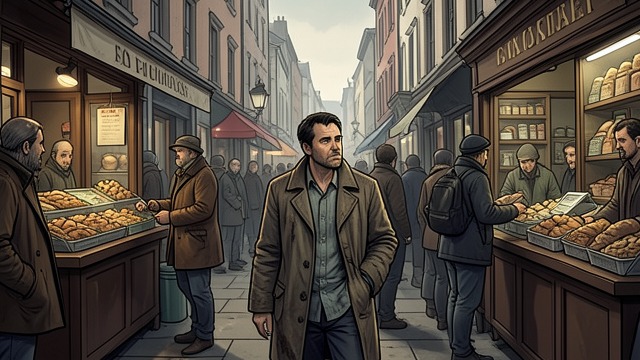
Finding Food Without Money
The busier districts
When supplies run out, the narrator must forage in areas with a wider range of food. He describes picking suitable items from shop displays as well as searching for leftovers.
A practiced routine
Foraging requires knowledge of the town and its rhythms. The narrator presents this work as part of learning to inhabit the city rather than merely passing through it.
The Problem of Leftovers
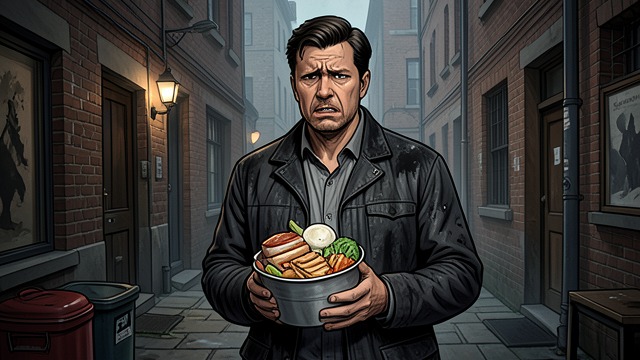
Food and Disgust
Mixed smells
Restaurant waste often combines different foods into an odor that the narrator finds difficult to accept. He contrasts this mixture with the distinct expected smell of each food.
Hygiene as a limit
Even after years of box life, he says the stench remains hard to tolerate. The admission complicates any romantic picture of survival as effortless freedom.
Summer Under Cardboard

The Skin’s Ordeal
Heat and trapped sweat
The narrator describes suffocation, layers of dirt, and itching as sweat and heat build inside the box. The body’s discomfort threatens the decision to remain concealed.
Adaptation at a cost
After several days, he believes his skin has adjusted and that he sweats less. This adaptation brings relief, but he treats continued sweating as a sign that someone is still a fake box man.
The City at the Center

A Different Urban Rhythm
Stillness and movement
The narrator says the city’s background moves quickly while the foreground slows and the box man remains at the center. His daily routes produce a distinct sense of time and space.
Experience as belonging
Foraging and observation gradually make the town familiar. The narrator contrasts this lived adaptation with the boredom of a fake box man who has not learned the city’s rhythms.
During the narrator’s early years in the box
After the narrator becomes accustomed to urban life
During the narrator’s discussion of scavenging
During the first summer days after becoming a box man
During the narrator’s reflections on settled box life
