
The Narrator’s Body and Public Shame
The Box ManThe narrator’s reflections on clothing, exposure, and bodily ugliness explain why leaving the box requires more than removing cardboard.
increasing Bearing strength in each event
 decreasing
Bearing strength in each eventdecreasingThe Hidden Body
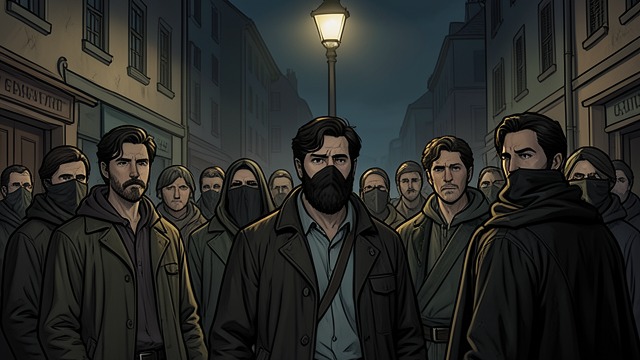
Clothing as Cover
Shared concealment
The narrator claims that people wear similar clothes and hairstyles partly to hide the perceived ugliness of their bodies. He interprets ordinary dress as a bargain against the gaze of others.
Exposure carries a price
Public visibility is treated as a condition requiring compensation. The idea prepares the narrator’s later claim that leaving the box is difficult even when he longs to be seen.
The Pillory and the Camera
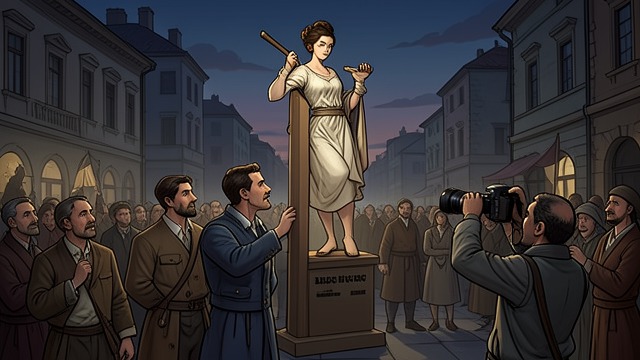
Punishment Through Exposure
A history of looking
The narrator recalls the pillory as a punishment too cruel for enlightened societies and compares it with the unequal relations of theater, cinema, and photography.
The observer’s privilege
Those who look may pay, while those displayed receive compensation. This model turns the gaze into an exchange of power rather than an innocent act of attention.
The Trouser Boundary
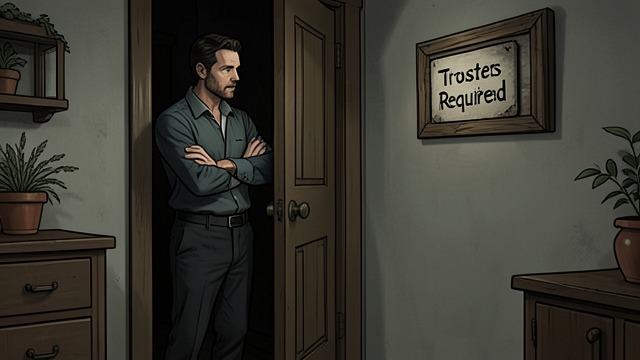
A Garment as Admission
A minimal public requirement
The narrator believes he can enter the world if he wears trousers, even without other clothing. He treats public expectations about dress as a practical barrier to leaving the box.
Society’s terms
The garment becomes a shorthand for the rules that allow someone to appear acceptable. The narrator’s dependence on it shows how deeply he remains shaped by the society he claims to reject.
A Naked Arrival
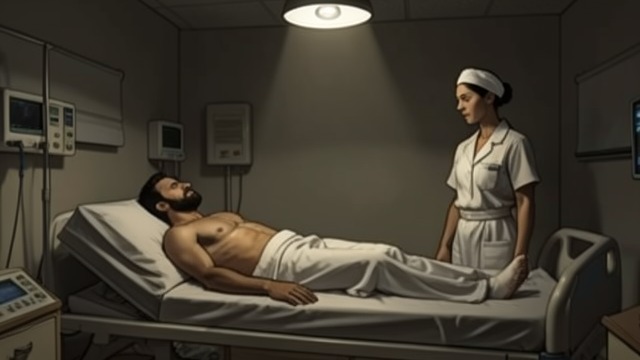
Exposure Before the Nurse
No protective clothing
The narrator says that he reaches the hospital naked beneath the box after his trousers disappear. He asks Toyama Yoko for something to wear before leaving his shelter.
Shame and invitation mingle
She tells him she does not mind his nakedness and begins to undress herself. The encounter makes exposure appear both frightening and potentially intimate, though its factual status remains uncertain.
A Body Still Outside Society
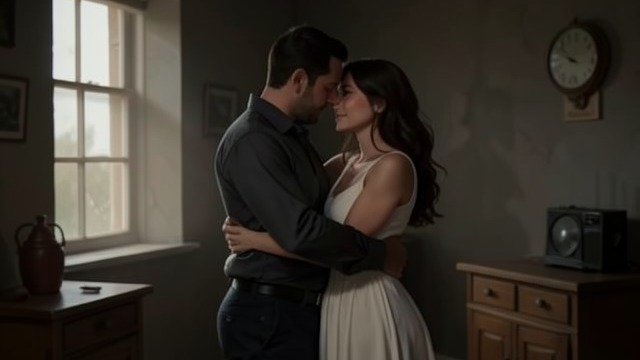
The Box Comes Off
A moment of contact
The narrator describes stepping out of the box and embracing Toyama Yoko. His body is finally in direct contact with another person rather than framed by an observation slit.
The text restores uncertainty
A warning follows that the dead may write misleadingly. The apparent bodily reunion cannot conclusively settle whether the narrator has crossed from concealed life into ordinary intimacy.
During the narrator’s reflections on clothing
During the same reflections on seeing
Before the planned hospital visit
Near the final hospital encounter
At the end of the supposed embrace
