
The Narrator’s Changing Relationship to Death
The Box ManThe narrator alternates between fearing death, imagining it as transformation, and using its possibility to explain his life in the box.
increasing Bearing strength in each event
 decreasing
Bearing strength in each eventdecreasingA Box Is Not a Death Wish
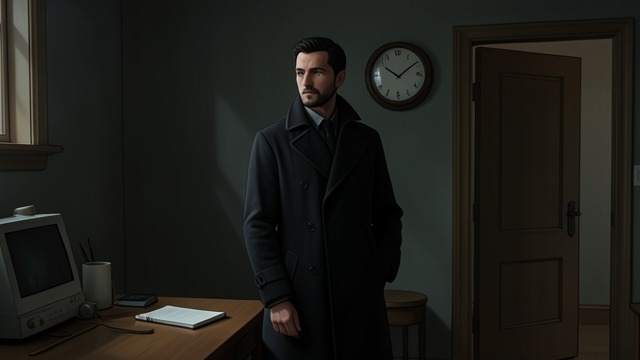
The Narrator Rejects Suicide
A defensive assertion
While waiting beneath the canal bridge, the narrator insists that he has no desire for suicide and that any death he meets would be foul play. He prepares notes as evidence.
Danger becomes imagined
His elaborate precautions and expectations of an executioner make the protest unstable. The narrator claims not to want death while repeatedly arranging the scene around its possibility.
The Fish’s Fatal Awakening
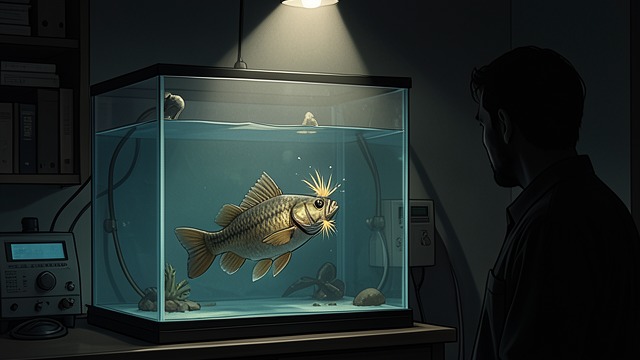
Death as a Way Out
A reverse fall
The dream fish imagines that rising into air could end the underwater dream and restore awareness. The possibility of waking is inseparable from the danger of suffocation.
No return assured
The fish dies before any confirmed awakening. The episode gives the narrator an image of transformation that may be liberation but offers no guarantee of survival.
A Box Man in the Morgue
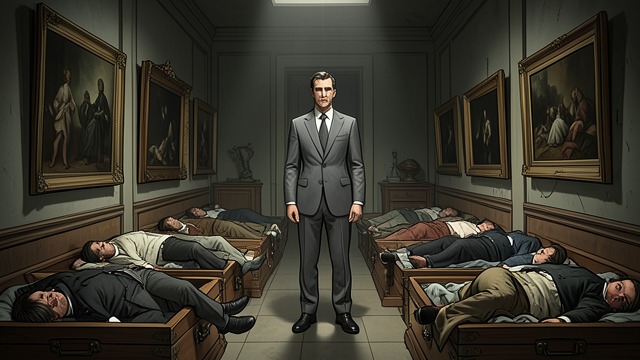
Death as a Chosen Setting
A request for confinement
The narrator says he has asked to stay in the windowless morgue, whose coffin-like proportions suit his mood. He insists that he is alive, while placing himself among the dead.
Withdrawal becomes rehearsal
The room gives him a setting in which death can be contemplated as an approaching event. His preference for it suggests that box life and the wish to disappear have become difficult to separate.
A Divided Will
Request and Resistance
A request for assistance
The narrator asks an imagined visitor to help him die and accepts some responsibility for the act. He tries to make the executioner feel less alone in carrying it out.
Life asserts itself
He also imagines seeking Toyama Yoko and clinging to life. His shifting desires reveal that the wish for death is neither simple nor stable.
A Death That May Be Only Writing
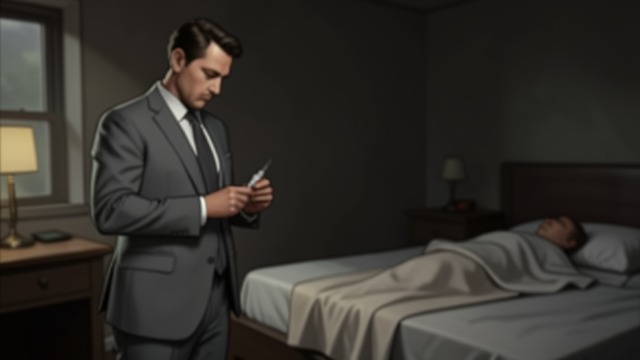
No Confirmed End
Death described as fact
The narrator gives graphic details of an injection, a dream, and a body prepared to resemble a drowning. The specificity lends authority to a scene whose chronology is already disputed.
Survival remains possible
The novel does not establish that this death occurs to the narrator. Competing authors, future testimony, and the closing siren prevent a definitive account of his fate.
During the narrator’s early account beneath the bridge
During the shell-grass dream
During the narrator’s account of the hospital morgue
During the narrator’s plea to the imagined executioner
Near the final pages
