
A Wedding Recast as a Box Dream
The Box ManThe dream of a wedding called off turns exposure, family duty, and artistic identity into a comic but painful story of escape.
increasing Bearing strength in each event
 decreasing
Bearing strength in each eventdecreasingA Carriage Without a Horse
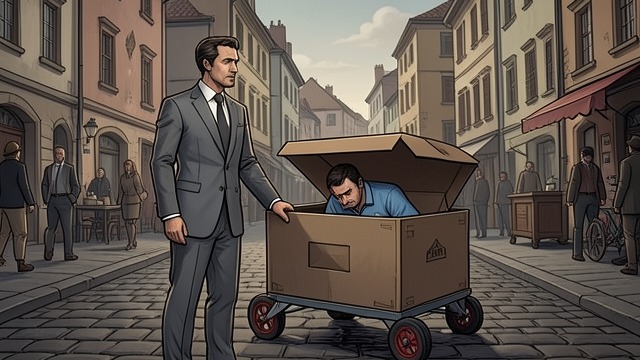
A Father Pulls the Cart
An improvised arrival
The dreamer reaches a town in a baggage cart drawn by his father, who hides inside a cardboard box rather than accept the absence of a traditional horse carriage.
Duty becomes absurd labor
The father’s act is affectionate but exhausting, placing family obligation at the center of a scene already distorted by the box. The dream makes inherited customs feel both binding and ridiculous.
The Bride Behind the Palms
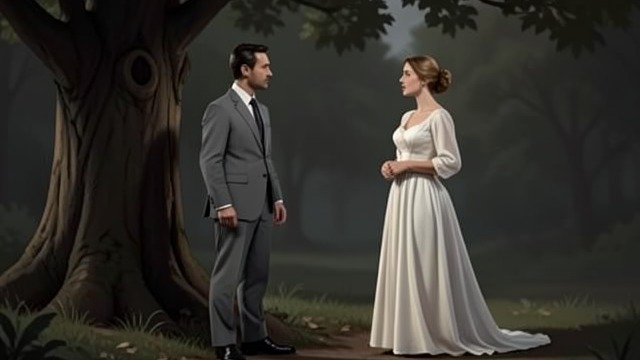
A Private Act Seen
An imagined refuge fails
The dreamer stops beside the road to urinate, believing palms conceal him from the bride. She is instead waiting nearby and sees him.
Exposure breaks the wedding
The encounter appears to destroy the marriage before it begins. A bodily act, made public by a failed attempt at privacy, becomes the event around which the rest of the dream turns.
The Father’s Advice
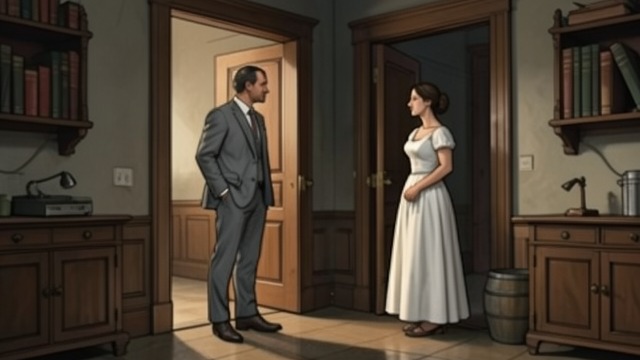
A Humiliating Explanation
The father reframes the event
The father advises the dreamer to abandon the marriage and attributes the bride’s reaction to what she has seen. He redirects blame toward social prejudice and the lack of public toilets.
Sympathy and ridicule coexist
His practical advice is compassionate but also exposes the dreamer’s vulnerability. The scene refuses to settle whether the failure is a personal fault or a social misunderstanding.
Leaving the Town
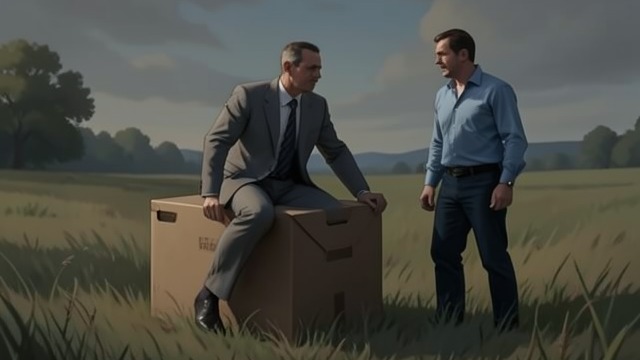
Escape on the Box
A journey without a destination
The dreamer rides away on his father’s box after abandoning the carriage. The town is treated as a place where he can no longer remain.
A box as family shelter
The father refuses to remove the box, presenting his continued role as a duty. The object becomes a vehicle for departure as well as a disguise.
The Artist Behind the Stamp
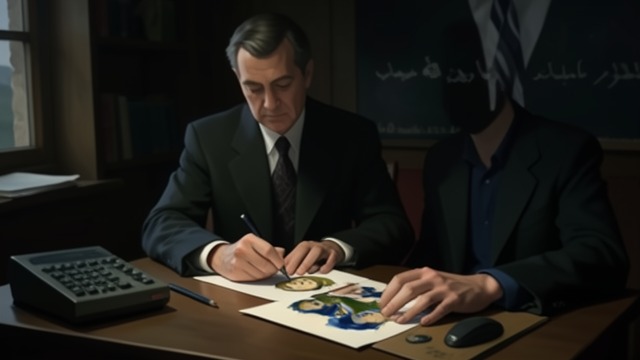
Loss Becomes a Trade
Drawing from memory
The dreamer draws the bride repeatedly, making smaller pictures as his work develops. Images become a means of preserving a person who is no longer present.
Fame arrives indirectly
The pictures sell, and the dreamer becomes associated with inventing and counterfeiting stamps. Public recognition emerges from private loss, leaving the original relationship unrecovered.
At the beginning of the wedding dream
As the cart reaches the bride’s house
Immediately after the bride runs away
After the wedding is abandoned
During the dream’s later city life
