
Promises, Evidence, and Trust
The Box ManThe novel repeatedly tests whether promises and evidence can create trust when the speakers’ identities and motives remain uncertain.
increasing Bearing strength in each event
 decreasing
Bearing strength in each eventdecreasingA Promise to Treat the Wound
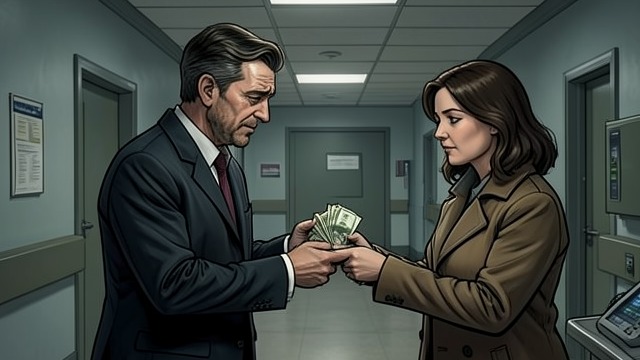
Help Without a Name
Money for treatment
Toyama Yoko gives the wounded narrator money and directs him to a hospital. The practical promise of care arrives from a stranger whose identity he does not yet know.
Trust begins unevenly
The narrator accepts the help but later suspects a trap involving the doctor. His gratitude and suspicion grow side by side rather than replacing one another.
A Promise to Buy the Box
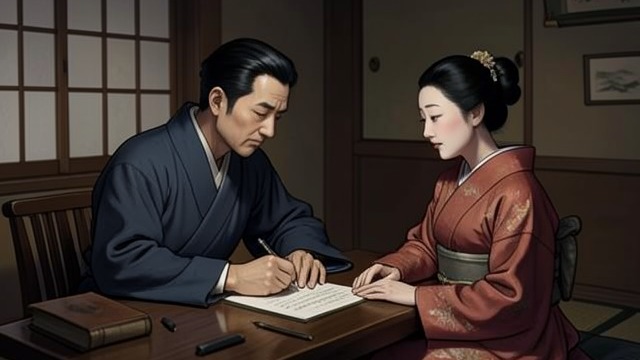
A Bargain Made Under a Smile
An offer accepted
The narrator promises to obtain the box for Toyama Yoko and says he would even give it to her without payment. His agreement is made while he feels vulnerable and moved by her attention.
Meaning expands afterward
He later interprets the promise as a possible opening into a new life. The difference between his emotional interpretation and the practical terms of the deal creates the story’s central uncertainty about trust.
A Letter Kept Literally
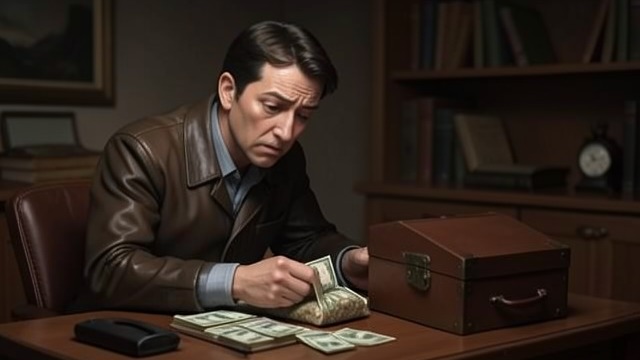
Payment Arrives
The promise is fulfilled
Toyama Yoko sends fifty thousand yen and asks the narrator to dispose of the box. She says no receipt is needed and leaves the decision about its disposal to him.
Trust unsettles expectation
The narrator expected betrayal and is disturbed when she keeps her word. Her reliability does not reassure him; it forces him to reconsider what she wants.
Evidence Offered as a Guarantee
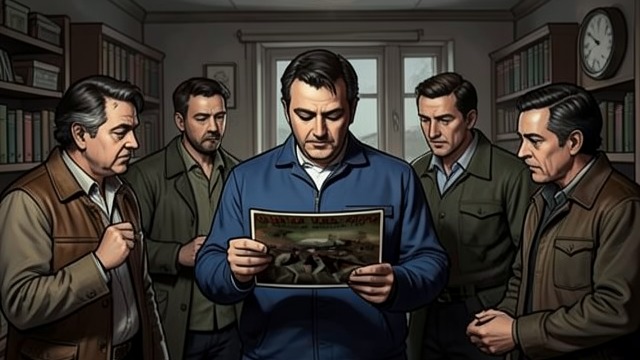
The Photograph as Trust Test
A claim supported by an image
The narrator presents the photograph as proof that the doctor shot him. He expects the evidence to establish his account and secure equal standing in the room.
Proof fails to settle motive
The image cannot make the others accept his interpretation. The doctor’s denial and the nurse’s ambiguity show that evidence can support trust without compelling it.
A Final Appeal to Believe
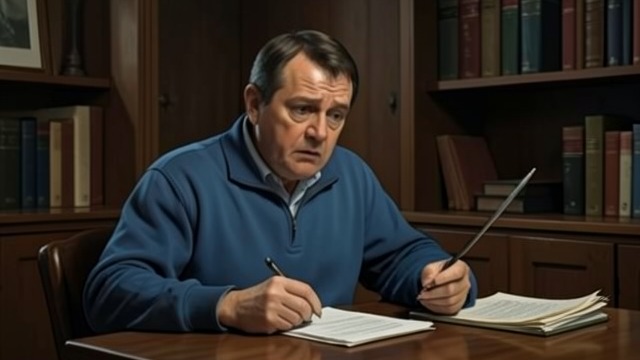
The Notes as a Will
An author claims authenticity
The narrator describes his notes as the genuine box man’s legacy and asks to be believed. The text simultaneously questions whether the narrator, the writer, or the events are genuine.
Trust left to the reader
No final proof resolves the competing accounts. The reader must decide how to relate to a story that treats belief not as a conclusion but as part of the conflict.
The day the narrator is shot
During the narrator’s stay at the hospital
During the rainy night beneath the bridge
During the narrator’s confrontation at the clinic
In the last passages of the novel
