
The Box Man’s Relationship to Ordinary Objects
The Box ManThe narrator’s practical inventions and habits show how ordinary objects acquire unusual meanings under life in the box.
increasing Bearing strength in each event
 decreasing
Bearing strength in each eventdecreasingA Window That Speaks
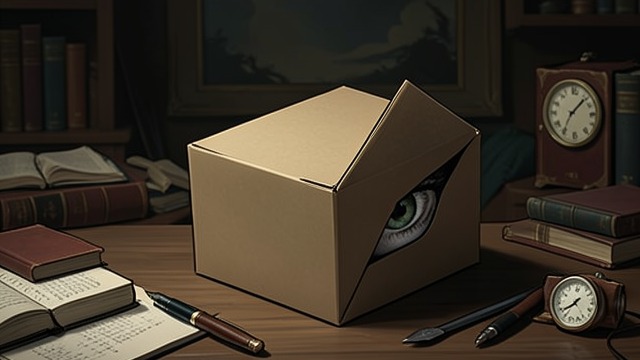
The Vinyl Slit
A controlled opening
The narrator explains how overlapping flaps can remain closed when the box is upright and open when it tilts. The material must be heavy and flexible enough to respond reliably.
An expression without a face
He compares the slit to the box man’s eyes and treats it as a form of self-defense. A small construction detail takes on the role of language and emotional display.
The Plastic Board
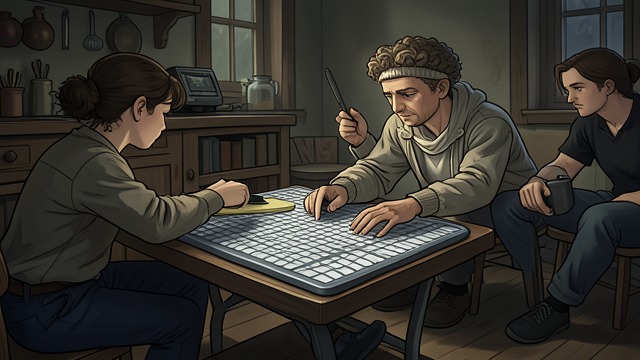
One Object, Many Uses
A mobile work surface
The narrator’s plastic board serves as a table, chopping surface, rain shutter, fan, and seat. Its importance is measured by the number of problems it can solve.
Life condensed into function
The object’s multiple uses express a life organized around portability. It also demonstrates how the box man’s material world differs from a settled household’s surplus.
The Radio and the City
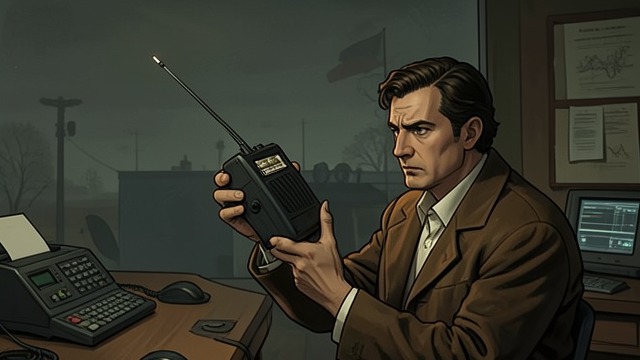
A Portable Link to Events
News carried in the hand
The narrator keeps a radio close, using it to receive a continual stream of reports. The object connects a private listener to a world of distant crises.
Connection becomes compulsion
The radio reassures him while making it harder to stop listening. Its role shifts from useful information to a device that holds his attention and maintains his fear of missing change.
The Crocodile as a Weapon
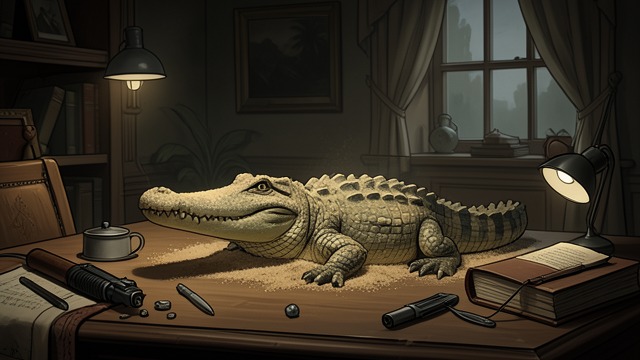
A Toy Conceals Force
An innocent appearance
The narrator brings a stuffed crocodile filled with beach sand. It resembles a child’s toy but can function as a heavy blackjack.
Appearance becomes strategy
The object lets him strike the fake box man’s rifle and body while hiding the weapon’s true purpose. Its double meaning matches the novel’s repeated uncertainty about what an object or identity conceals.
Objects as a Living Record
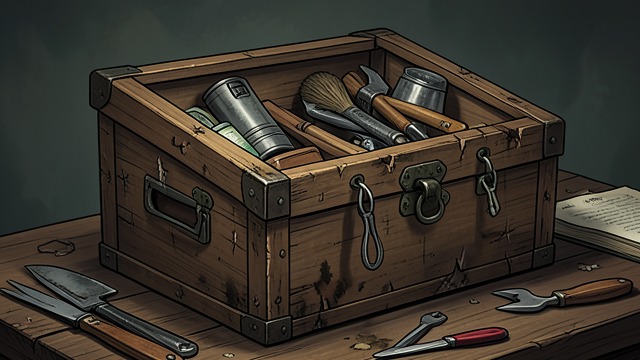
The Interior Keeps Traces
A material history
The abandoned box preserves repairs, stains, hanging marks, and small tools from its former occupant. The details provide a physical record where public documents are absent.
Evidence remains incomplete
Objects suggest how someone lived but cannot establish how or why he died. The box preserves fragments of a person without restoring the whole identity.
During the box-making instructions
During the narrator’s account of daily equipment
During the narrator’s former news addiction
During the hospital confrontation
Before dawn, when the narrator finds B’s box
