
The Narrator’s Dependence on Observation
The Box ManThe narrator uses watching to avoid direct contact, then discovers that observation intensifies rather than satisfies his desire.
increasing Bearing strength in each event
 decreasing
Bearing strength in each eventdecreasingThe Photographer Before the Box
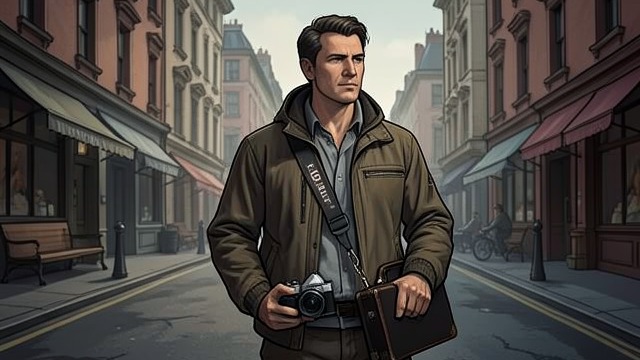
A Life Behind the Camera
Looking as work
The narrator makes occasional commercial photographs and carries equipment after becoming a box man. His professional identity survives the change in outward life.
A habit of distance
Photography lets him compose and record scenes from behind a device. The camera’s distance anticipates the box’s more complete separation from those he watches.
A Box as Portable Hole
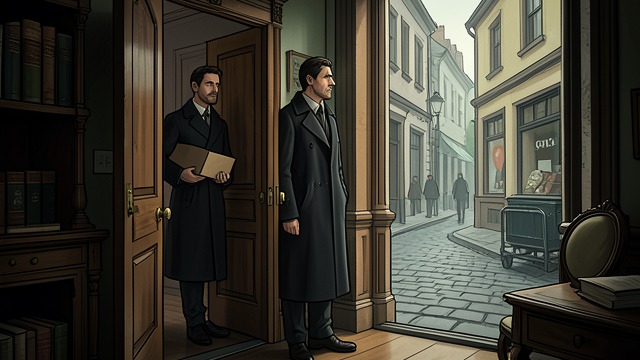
Concealment for Seeing
A private explanation
The narrator wonders whether he became a box man to remain a voyeur. He calls the box a portable hole through which he can observe many places without being noticed.
Motives remain divided
He also describes wanting to flee and wanting to pursue. The narrator cannot decide whether the box protects him from observation or enables an endless appetite to look.
The Nurse Seen from Outside
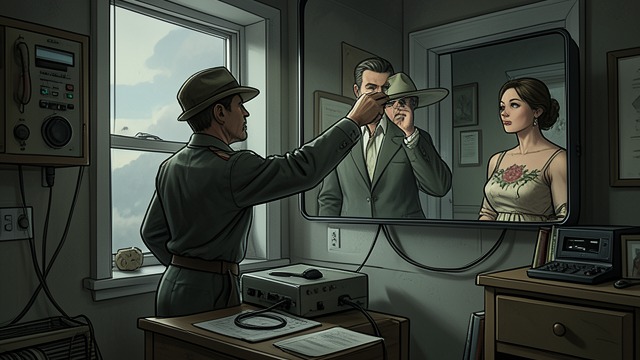
A Mirror Extends the Gaze
An improvised instrument
The narrator uses a car mirror to inspect a room through a high window. The reflection lets him see a scene he could not otherwise reach directly.
Desire grows through distance
He focuses on Toyama Yoko’s body and actions, yet his position outside the room makes him powerless to ask what she intends. The instrument enables access to an image, not to a relationship.
The Fake Man Names the Habit
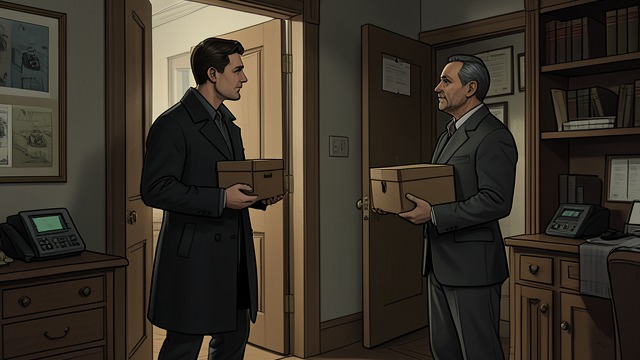
The Observer Is Challenged
A request to act
The fake box man tells the narrator that he is watching instead of moving toward Toyama Yoko. He argues that the narrator uses observation to avoid crossing into contact.
A diagnosis from a rival
The accusation may be self-serving, but it identifies a real pattern in the narrator’s behavior. His desire to see has become a defense against being seen in return.
No Guaranteed Release
The Viewer Remains Inside
A possible embrace
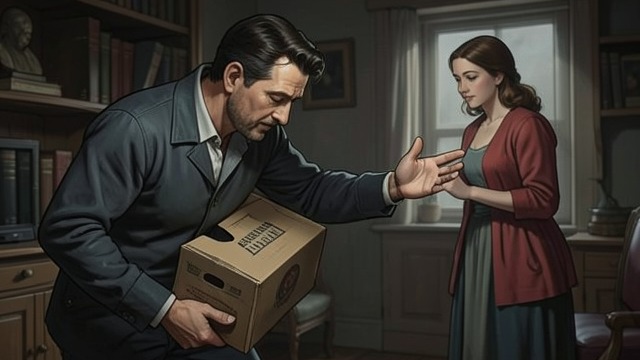
The narrator finally describes removing the box and touching Toyama Yoko directly. If true, the act would end the distance that had organized his desire.
The last account stays suspect
The text questions whether the scene is factual, and the narrator’s identity remains entangled with writing and fantasy. His fate as watcher or participant is never securely settled.
Before the narrator’s years in cardboard
During the narrator’s marginal reflections
Late at night after the bridge meeting
During the morning confrontation
At the end of the narrative
