
News as Reassurance
The Box ManThe narrator’s dependence on broadcasts shifts from an appetite for changing facts to an understanding of news as protection against finality.
increasing Bearing strength in each event
 decreasing
Bearing strength in each eventdecreasingA Life Tuned to News
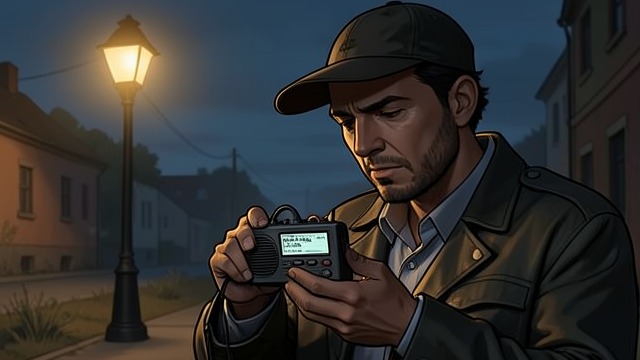
Compulsive Listening
News everywhere
The narrator describes reading several newspapers and keeping televisions and radios on at home. He carries a Portable Radio outdoors and even listens as he sleeps.
An appetite without satisfaction
Reports of war, disasters, crimes, and celebrity events make the world seem constantly on the brink of change. He knows that more information will not necessarily bring him closer to truth, yet cannot stop seeking it.
A Death Without Headlines
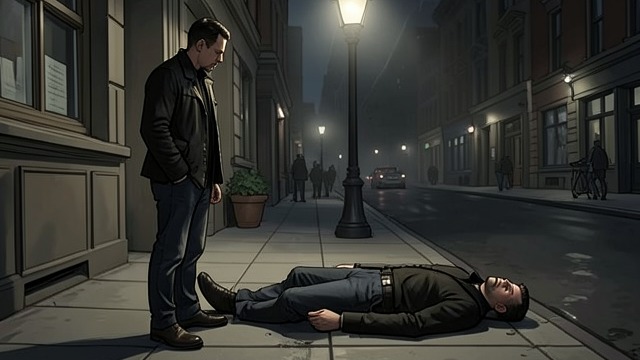
The Fallen Man
A street death
The narrator sees a man collapse on a sidewalk and initially considers photographing the scene. A passerby reacts, but the narrator concludes that the death will never become news.
Change beyond reporting
The dead man’s transformation makes a stronger impression than the stories he once pursued. The event shows him that the world can change profoundly without entering the familiar machinery of public information.
The Antidote
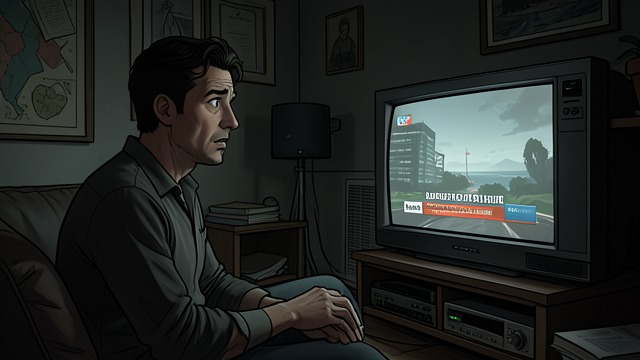
A Sudden Release
Addiction loosens
The small, unreported death changes the narrator’s relation to broadcasts. He realizes that news summaries cannot match the irreversible change occurring in front of him.
Knowledge is not safety
This insight does not make him an expert on truth; instead, it reveals why he listened. News had offered a framework for watching change while keeping it at a distance.
News as Comfort
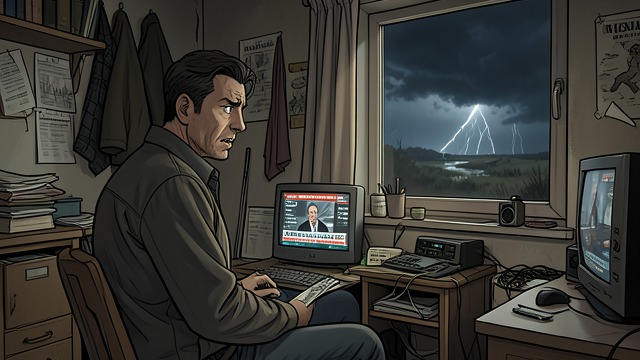
The Unfinished World
A reassurance hidden in disaster
The narrator concludes that people listen to catastrophic reports because they remain alive afterward. Each bulletin indirectly confirms that the end has not yet arrived for the listener.
The ultimate broadcast
He suspects that he had been waiting for a final announcement that would end the world for everyone at once. Since ordinary news continues, it repeatedly postpones that ending.
A Contested Maxim
Belief Tested by Events
An absolute claim
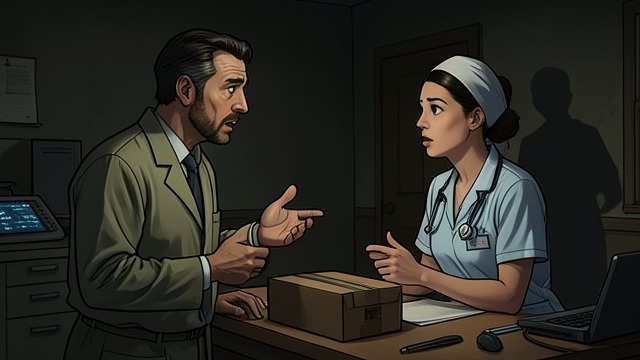
The narrator tells the nurse and fake box man that people who do not believe in news are not villains, connecting his rejection of broadcasts with resistance to imposed change.
Contradiction remains
The clinic’s shifting identities and future-tense testimony challenge his confidence that he can control change by refusing it. His personal theory survives as a provocation, not as a settled solution.
Before the narrator became a box man
During the narrator’s life as a photographer
After witnessing the man collapse
During the narrator’s account of recovering from addiction
During the narrator’s confrontation at the clinic
