A love that begins with lost love
The Box ManA love that begins with lost love is a paradoxical account of intimacy in which recognizing love as lost marks not the end of an affair but its beginning. The expression reverses the expected movement from gradual growth to completion: loss is present at the outset, while the relationship’s emotional force continues to intensify.
The Meaning of Lost Love
The speaker contrasts this love with one that gradually grows, rises like a tower of mist, solidifies, and reaches completion. Here, love commences from the realization that it is lost. The reversal makes loss a starting condition rather than a final verdict: the relationship begins with knowledge of what seems already over, not with the promise of steadily accumulating happiness.
The speaker also gives this condition a distinct emotional character. Although the pain remains, the speaker says it carries no grief, and describes the love as having no shadows. The claim does not erase pain; it separates pain from mourning and presents the paradox as a different way of experiencing love, not simply a happier version of ordinary attachment.
The Affair Is Not Over
The interlocutor challenges the point of continuing to discuss what has ended. The speaker rejects that premise directly: “It’s not over. Our affair begins with love lost. Actually the fiery wind is blowing harder.” The image of the intensifying wind counters the idea that loss has brought the relationship to rest. What sounds like a retrospective description becomes a declaration that the affair is actively beginning and gathering force.
The exchange also exposes a gap between the speaker’s figurative account and the other person’s response. The interlocutor attributes the heat to summer, while the speaker treats the fiery wind as evidence of the affair’s growing intensity. Their disagreement leaves the expression suspended between metaphor and circumstance: the same heat can be dismissed as seasonal or read as a sign that love is alive.
Love as a Role in the Tale
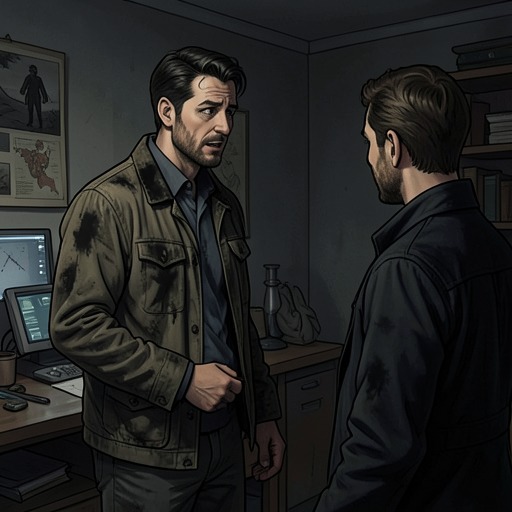
The speaker calls the exchange a tale that is taking place as it is told. Hearing that someone is in love with the addressee, the listener is told, makes that listener a character with an assigned part. The expression therefore does more than explain a private feeling. It turns the declaration into a demand for participation: the addressee is asked to play the role, however uncomfortable or ridiculous it may feel.
This self-conscious framing gives the paradox a dramatic consequence. The listener’s objection—that the affair is already over—would leave the declaration without a responding character; the speaker instead insists that the story is still unfolding. Love lost is thus both the premise of the affair and the device by which the speaker presses the addressee into its continuation.