Practicing Medicine Under the Doctor's Name
The Box ManPracticing Medicine Under the Doctor's Name is the Box Man Narrator’s account of the unlicensed medical practice he carried on under the identity of the Army Medical Captain. The practice grew out of wartime assistance and a personal commitment to a doctor who could no longer work; it later became a livelihood and a source of professional pride. In his retrospective affidavit, the narrator explains the arrangement in detail while also acknowledging that none of its practical justifications erased its illegality.
Wartime Training and the Clinic
The arrangement began during the war, when the narrator served as a medical corpsman and was assigned to the Army Medical Captain at a field hospital. The doctor was absorbed in research into producing sugar from wood, leaving the narrator to conduct a substantial share of examinations and treatment. Under the doctor’s guidance, the narrator learned to perform complicated operations. His account presents the experience as the foundation of his later confidence: he had acquired hands-on responsibility before he ever undertook independent practice.
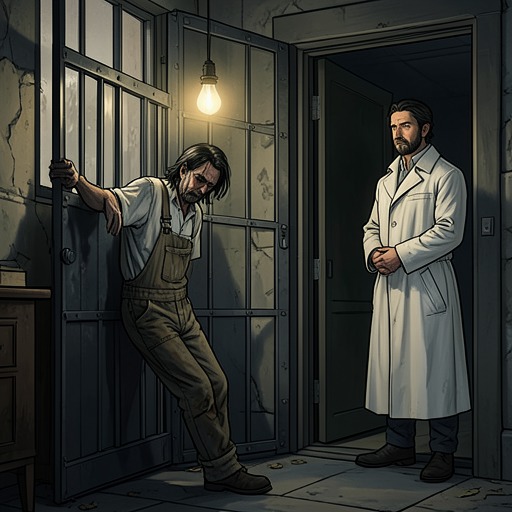
After demobilization, the narrator and the doctor opened a clinic together. The narrator worked as the doctor’s assistant in both management and treatment, but the doctor’s condition deteriorated until he was personally unable to examine or treat patients. He communicated instructions through medical charts, while the narrator increasingly supplied the actual care. The narrator describes himself as having earned patients’ trust and says he never sought instructions or assistance from a regularly licensed doctor. He particularly emphasizes surgical work, including appendectomies, as an area of proficiency.
Why the Impersonation Continued
The narrator identifies several pressures behind his decision to keep practicing. The first was the need to replenish the doctor’s drugs. He says he acted from friendship rather than coercion or a hierarchy between them, and accepts responsibility for making that choice. He understood that continuing to supply drugs prolonged the doctor’s dependence, but believed that abandoning him was an act he could not bring himself to perform.
The practice also supported the narrator’s livelihood, which he admits was secured under the shelter of the doctor’s qualifications. He denies exploiting the doctor’s weakness for personal gain, noting that Nana managed the accounts. Nana was legally married to the doctor and lived with the narrator as his common-law wife, with the doctor’s understanding. The narrator says their household had no conspicuous discord until he hired Toyama Yoko as a new apprentice nurse. Nana objected and proposed that they live apart; the narrator agreed, though he continued to recognize her as a co-manager and report the clinic’s revenues and expenses to her.
A further incentive was the narrator’s growing reputation. He says his skill was increasingly recognized and that his interest in medicine deepened as he studied medical books and specialist reviews. By his reckoning, twelve years of experience and sustained study gave him confidence beyond the question of whether he held a license. He also claims to have encountered serious diagnostic errors by university-trained doctors. But he distinguishes these comparisons from a defense of his own conduct: even if he trusted his competence, he concedes that it did not authorize him to practice under another person’s name.
Exposure, Relocation, and Assumed Identity
The turning point came in the eighth year of the practice. Until then, the Army Medical Captain had handled outside contacts, including attendance at medical meetings. As his abnormal speech and conduct became more apparent, criticism and suggestions that he was mentally ill reached the clinic. The practice also attracted scrutiny because of the large quantities of drugs being used, placing the narrator at risk. After discussing the situation with the doctor, they closed the clinic and moved to T City.
The doctor’s condition worsened there, and his suicidal inclination became increasingly pronounced. At Nana’s suggestion, he stopped appearing in public, and the narrator registered himself as the doctor. The narrator describes the change as an agreed formal arrangement: although some details of the setup were altered, he says the underlying division of labor remained the same and the Army Medical Captain consented to the plan. Patients trusted the narrator in the new city as well. He believed that this trust made lawsuits or prosecution unlikely, while admitting that the absence of a complaining patient did not make the practice lawful. He also recognizes a larger obligation: as a citizen whose life and property receive the state’s protection, he cannot simply set the law aside.
Confession and Consequences
In the affidavit, the narrator eventually turns from explanation to admission. With the Army Medical Captain no longer needing his services, he says he had no obligation to continue deceiving the public through illegal practice. He acknowledges the potential economic and physical harm to patients and rejects the doctor’s view that an unrecognized injury meant there was no crime. His stated intention is to disclose the arrangement and end the responsibility he has carried for years; he declares the account true and promises to stop medical work rather than continue using another person’s name.
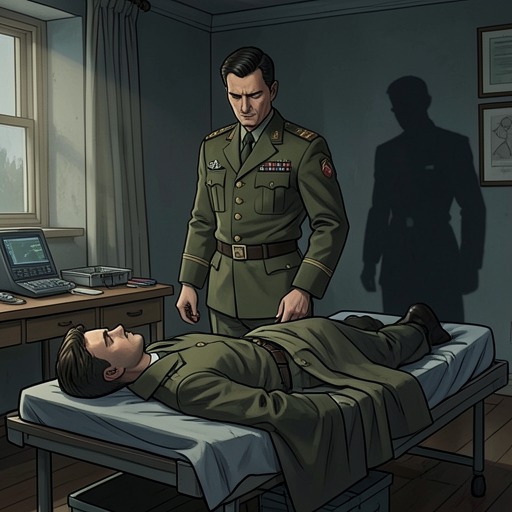
The same account identifies the body whose death is under inquiry as that of the Army Medical Captain, the person whose identity the narrator had borrowed. The narrator reports that the doctor had shown a danger of suicide for some time and regrets that he failed to prevent his death, while asking for an opportunity to explain the circumstances. Thus the practice is not merely an episode of professional deception: it binds the narrator’s medical career to the doctor’s decline and eventual death. His testimony lays out genuine care, practical competence, and patient confidence, but leaves them in unresolved tension with impersonation and the law. The box man’s reflections elsewhere on the box as an entrance into another world sharpen that tension: transformation may feel like passage into a different existence, yet changing identity does not by itself release him from responsibility.