
A Boat Built to Spring Back
The Boys in the BoatThis thread follows how cedar becomes a technical innovation and a metaphor for the crew's resilience.
increasing Bearing strength in each event
 decreasing
Bearing strength in each eventdecreasingLearning to Read Cedar
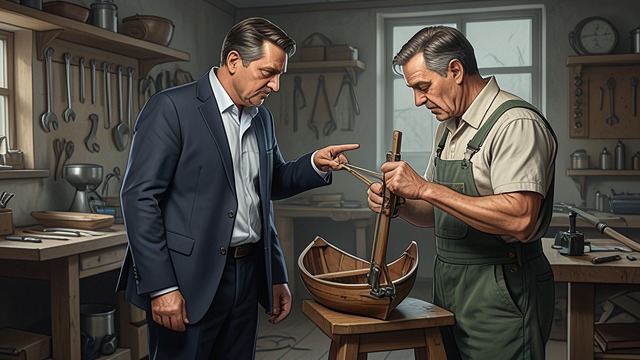
The Wood Has a Story
Training
Charlie McDonald teaches Joe Rantz to inspect fallen cedar for grain, knots, and hidden weakness. Joe learns to split roofing shakes by listening for the wood’s natural line of separation.
Recognition
The work delights Joe because it makes overlooked material useful. He begins to feel a connection between shaping cedar and learning to row with skill and care.
Pocock's Material Choice
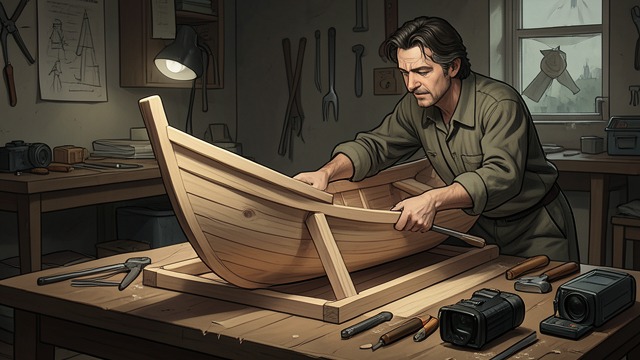
A Northwest Experiment
Substitution
George Yeoman Pocock experiments with western red cedar in place of imported Spanish cedar. The wood is light, flexible, and resistant to decay, qualities well suited to a racing shell.
New Construction
Thin cedar sheets are steamed into shape and attached to the shell’s frame. The technique reduces labor and produces a smooth hull capable of speed and durability.
The Meaning of Camber
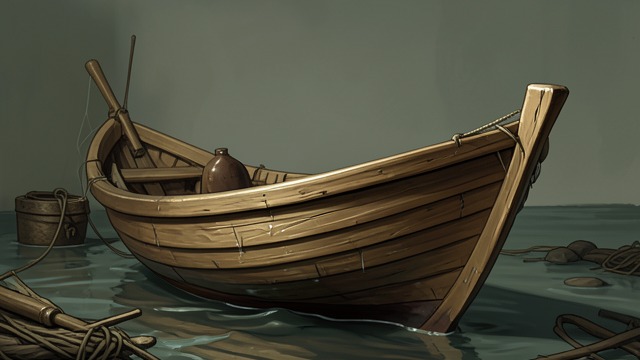
Resilience in the Hull
Tension
Pocock discovers that cedar expands slightly along the grain when wet. Constrained by a dry, rigid frame, the wood develops a subtle upward curve at bow and stern.
Spring
The resulting tension gives the shell a lively response to each stroke. For Pocock, the boat’s ability to bend and rebound becomes an image of strength shaped by pressure.
The Husky Clipper Takes Shape
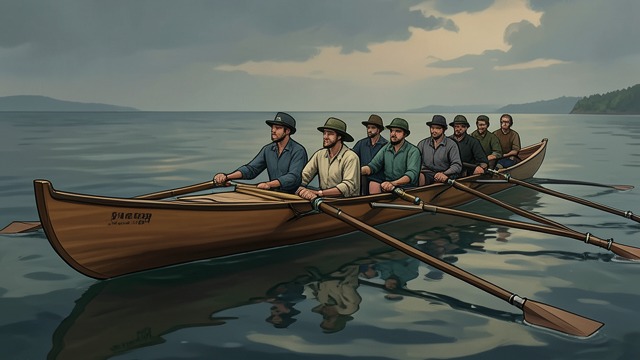
A Shell for the Olympic Crew
Craft
Pocock builds the Husky Clipper from selected cedar and other Northwest woods, carefully finishing the hull and fitting its rowing equipment. The shell must be balanced enough to support the crew’s particular strengths.
Partnership
The boat is not a substitute for teamwork; it gives teamwork a responsive medium. When the rowers move together, the shell’s smooth run becomes visible and tangible.
The Shell as Survivor
Wood That Remains
Preservation
The Husky Clipper survives the Olympic race and remains in Washington’s rowing world after its competitive years. Later generations can see the cedar shell that carried the team to gold.
Symbol
Its continued presence recalls the crew’s capacity to remain resilient under strain. The object connects craftsmanship, memory, and the living practice of rowing.
Summer 1934
1927
Early 1930s
Spring 1936
1936–present day
