
The Olympic Boycott Debate
The Boys in the BoatThis thread follows the conflict between reporting Nazi persecution and arguments that American sport should remain outside politics.
increasing Bearing strength in each event
 decreasing
Bearing strength in each eventdecreasingReports from Germany
Warning Signs
Restrictions
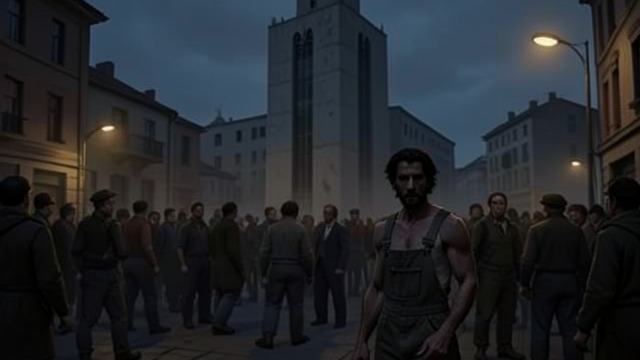
Adolf Hitler’s government suppresses press freedom and excludes Jews from professional and public life. Reports of arrests and violence reach American newspapers, though many readers remain focused on domestic hardship.
Olympic Question
Hosting the Games gives the regime international visibility. Americans must decide whether participation validates a government already restricting rights.
Athletes and the Boycott

Competing Principles
Argument
Supporters of participation say a boycott would punish American athletes for the acts of a foreign government. Boycott advocates argue that appearing in Berlin lends legitimacy to persecution.
Institutional Influence
Avery Brundage reports that Jewish athletes are being treated fairly after a supervised visit to Germany. His assurances weaken the push for an investigation and help the Olympic movement proceed toward participation.
The Rally for Freedom
Freedom as a Political Label
Public Spectacle
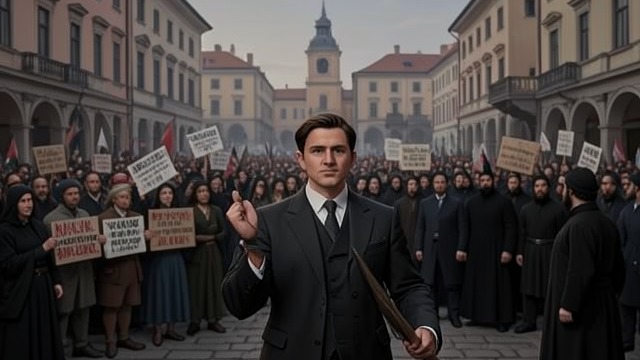
The Nazi Party calls its rally the Rally for Freedom while introducing the Nuremberg Laws. The word “freedom” accompanies the formal stripping of rights from German Jews.
Contradiction
The mismatch between public language and policy shows how political messaging can disguise exclusion. The Olympic boycott debate proceeds in a climate already shaped by this deception.
The Investigation Proposal Fails
A Narrow Vote
Decision
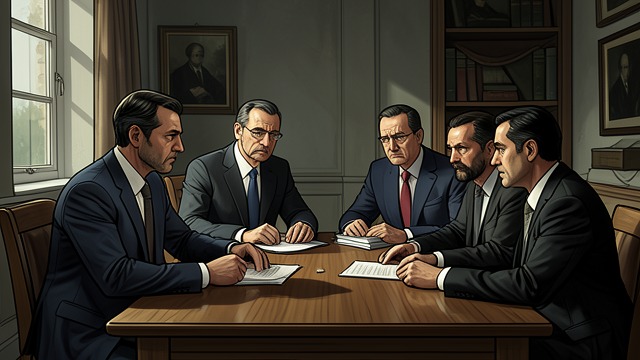
The Amateur Athletic Union rejects a proposal to send a committee to investigate the treatment of Jews in Germany. After years of argument, the last serious American effort toward an Olympic boycott effectively collapses.
Result
The decision clears the way for American participation and gives the Nazi regime a diplomatic victory. Athletes retain their opportunity, while critics lose institutional leverage.
Participation in Berlin
An Answer Without Resolution
Arrival
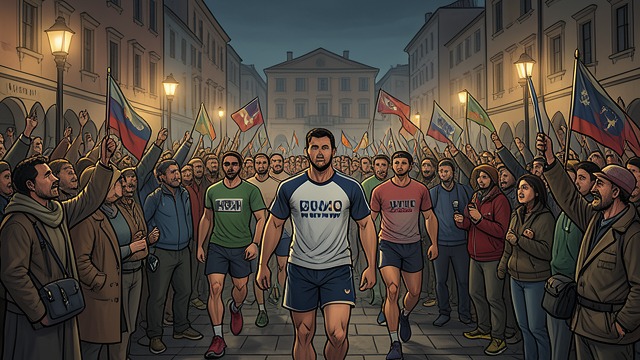
American athletes enter Berlin welcomed by crowds and carefully managed hospitality. The friendly reception makes the regime’s assurances seem plausible to many visitors.
Continuing Conflict
The games proceed without resolving the moral question that prompted the boycott debate. The contest over sport and politics is temporarily obscured, not settled.
1933
1934–1935
September 1935
December 8, 1935
August 1936
