What seasons they have been through
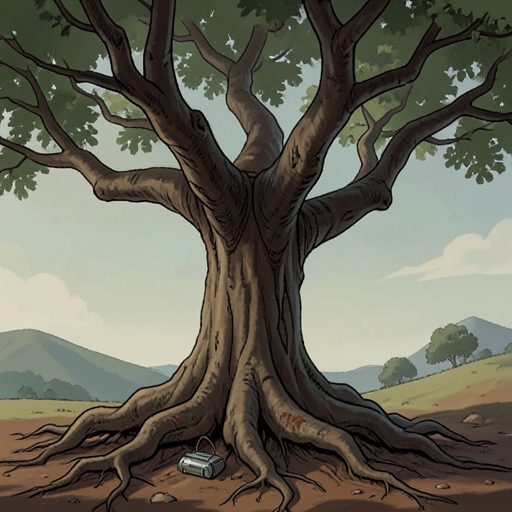
The Boys in the BoatWhat seasons they have been through is both a phrase and a guiding image: the rings of a tree preserve a record of hardship and growth, just as the book’s changing weather and landscapes mark the pressures endured by its people. Introduced through George Yeoman Pocock’s reflection on wood, the expression becomes a way of reading survival—not as an isolated triumph, but as the accumulated result of difficult seasons.
Origin and Meaning
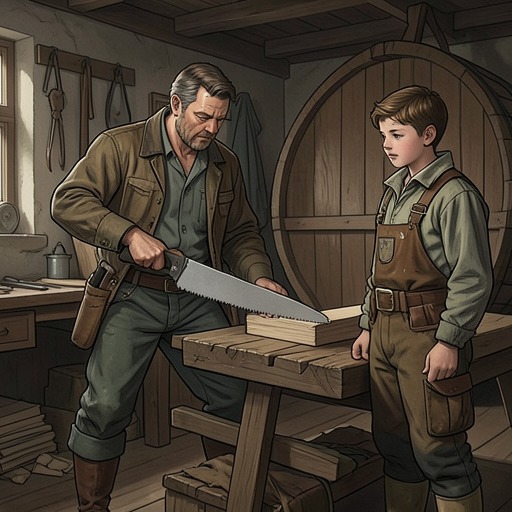
At the beginning of Part One, dated 1899–1933, the phrase appears in the section title What Seasons They Have Been Through. It is grounded in a reflection by George Yeoman Pocock on the giant trees used for rowing shells. Their rings, he observes, make visible the centuries-long struggle for survival: in drought years growth nearly stops, while in more favorable years it is greater. The rings turn time into something that can be inspected in the wood itself.
The image returns at the opening of Chapter Two, where Pocock’s words again direct attention to annular rings and the different seasons recorded there. This repetition links the physical material of a shell to the lives that will unfold around it. Wood carries a history of weather and growth before it is shaped into a boat; the chapter’s account of Joe Rantz likewise looks back from his arrival at the shell house in 1933 to a longer, harder passage through his young life.
Weather as a Record of Pressure
The book’s weather sequences give the phrase a wider reach. In December 1933, rain continued through almost the entire month: at the University of Washington, fourteen and a quarter inches fell, while the downtown total of fifteen and a third inches set a record. Rivers across western Washington overflowed, farmland was inundated, and water and erosion disrupted communities. The conditions are not merely a backdrop to the rowing narrative; they register a period in which the natural world imposed real material consequences on people and places.
In October of the following year, the mood in the Washington shell house worsened as rumors about the sophomores’ prospects unsettled the older rowers. On October 21, a powerful cyclonic windstorm struck Washington State. Winds over Lake Washington rose from about five miles per hour in the morning to sustained winds of fifty miles per hour an hour later, with gusts reaching seventy-five by noon. The narrative places an upheaval within the team alongside a storm that overturned ordinary expectations, giving the season both a social and a meteorological force.
Landscapes of Catastrophe and Labor
On his journey east in search of summer work, Joe Rantz crossed a landscape shaped by events far older than his own story. The Washington scablands had been carved by repeated floods after an ice dam holding back Lake Missoula gave way. In the greatest flood described, about 220 cubic kilometers of water rushed across the region in roughly forty-eight hours, cutting deep channels through the land. This geological history supplies another scale for the image: seasons and survival are not limited to a human lifetime, and the terrain itself bears the marks of immense change.
At the dam site, Joe’s own work brought him into direct contact with a more immediate transformation of the landscape. For eight hours a day he worked suspended on a rope, operating a seventy-five-pound jackhammer against rock. The labor was demanding, but working alongside the men on either side of him required watchfulness and cooperation: they monitored falling rock, warned those below, and looked for seams in the stone. The work’s difficulty and its shared discipline echo the book’s interest in what endurance asks of individuals and what they can accomplish together.
The Motif Returns to the Water
The seasonal pattern also shapes the account of training. By mid-November, after severe cold, the weather had moderated into the cold rain familiar to the rowers. Al Ulbrickson scheduled a two-thousand-meter competition under racing conditions for November 25, intending the results to show where the boats stood before the next training push. A new cold snap arrived on race day, and he limited the coxswains to a stroke rate of twenty-six so that the competition would reveal the crews’ power. The test turned changing conditions into a measure of preparation rather than a reason to stop.
Later, at the Olympic course in Berlin, shifting gusts of wind crossed the racecourse at an angle and made it difficult for the Washington shell to hold an even course. The rowers had trained through wind at home and in Poughkeepsie, but these erratic crosswinds presented a different challenge. Inside the boat, meanwhile, the boys settled into slow, low strokes and synchronized movement. The image of seasons endured thus meets the image of rowing in unison: the book’s hardships leave their marks, but what they record includes not only strain, but the learned capacity to keep moving together.