
Walter Elliot’s Fall
The Brass VerdictThis thread traces Elliot’s transformation from polished studio executive and alleged innocent to conspirator, murderer, and victim of further violence.
increasing Bearing strength in each event
 decreasing
Bearing strength in each eventdecreasingA Powerful Defendant

Wealth and Suspicion
An unusual freedom
Elliot is charged with killing his wife and her lover but remains free on exceptionally high bail. His wealth and influence shape the public image of the case.
A controlled persona
He continues running Archway Studios and insists that he is innocent. His confidence seems striking to Haller, who senses that the client knows more than he admits.
A Bail Warning
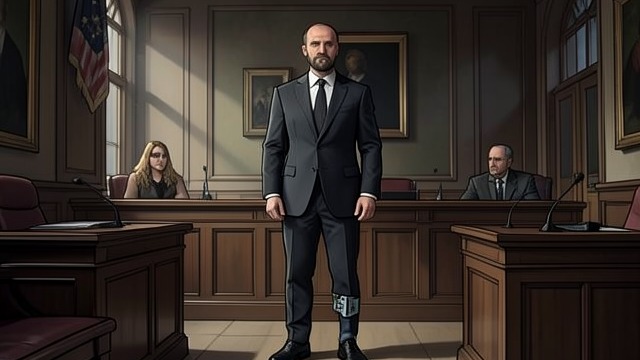
A Second Chance on Bail
A violation abroad
Elliot travels to a New York film festival without permission, prompting the prosecutor to seek bail revocation. Mary Townes Holder stays the revocation but orders an ankle monitor.
A warning ignored
The court makes clear that Elliot will not receive another chance. His freedom is conditional, yet he continues to behave as though his schedule and status remain under his control.
The Defense Takes Shape

Confidence without Disclosure
A refusal to delay
Elliot hires Haller only if the trial proceeds on time. He rejects a jury consultant and insists he will testify, even though Haller warns that his testimony could be dangerous.
The unexplained certainty
Elliot acts as if acquittal is inevitable. Haller suspects an undisclosed advantage and begins to understand that the client’s confidence is not simply faith in the evidence.
The Confession at Dinner

The Hidden Story
A criminal front
Elliot tells Haller that his Hollywood fortune was built with money belonging to a criminal organization. He says the organization had his wife killed after she planned a divorce that threatened its assets.
The purchased verdict
He admits that he and Vincent paid to plant a sleeper juror and explains that the scheduled trial date mattered. The confession changes Haller’s understanding of the case and makes his client’s confidence comprehensible.
A Killer’s Admission
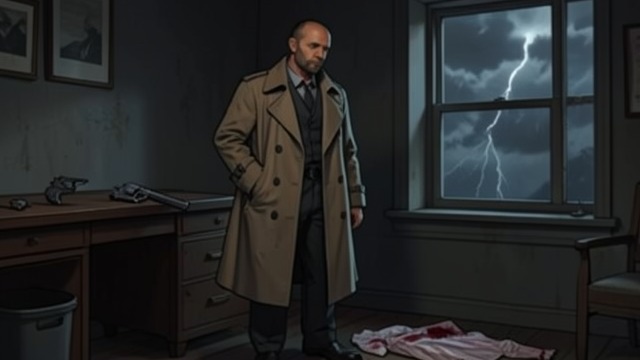
The Truth Breaks Through
A staged confession of innocence
Elliot admits that he personally shot Mitzi and Johan with a .44 Magnum, then arranged to have the weapon and clothing removed. He had previously lied to Haller about his background and his role.
An ending outside court
Elliot says he did not kill Vincent, but his organized-crime connections leave him exposed. Before the case can reach a verdict, he and Nina Albrecht are murdered, ending his defense and his life.
Six months after the Malibu killings
The week before Haller takes the case
The first days of Haller’s representation
After the first day of trial testimony
After Shamiram Arslanian’s testimony
