
Chance, Control, and the Brass Verdict
The Brass VerdictThis thread develops the contrast between legal procedures designed to constrain power and violent actors who impose their own outcomes.
increasing Bearing strength in each event
 decreasing
Bearing strength in each eventdecreasingRandomness as Protection
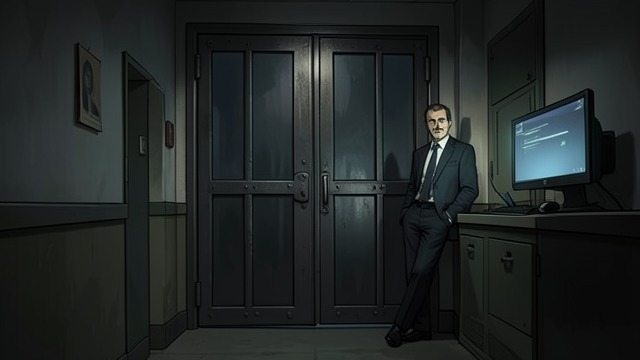
A System Built on Chance
Random selection
The court draws jurors through computer-generated stages intended to create a fair cross-section. Haller treats the process as unpredictable but essential to the legitimacy of trial.
Human judgment remains
Voir dire still lets lawyers shape the panel through questioning and strikes. The system depends on both chance and disciplined scrutiny, leaving openings for manipulation.
A Conspiracy Exploits the Process
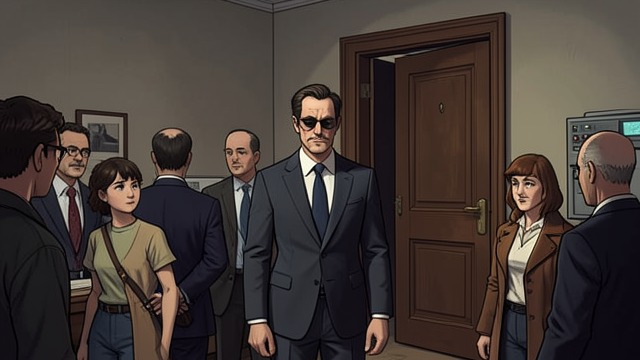
Chance Is Bought
Access to every stage
The jury-fixing scheme requires control over summonses, panel selection, and the initial juror order. A planted participant must enter the courtroom under a false identity and survive scrutiny.
Procedure becomes a weapon
What should protect the public from arbitrary power is repurposed to guarantee a private result. The corruption works because it hides inside ordinary administration rather than openly rejecting the law.
The Court’s Anonymous Warning

The System Detects a Breach
A letter reaches Stanton
An anonymous note alerts the judge to the false identity of juror seven. The court checks the real employee and learns that the man in the jury box has taken someone else’s place.
Partial correction
The impostor is removed, but the court cannot immediately determine the full conspiracy. Replacing one juror repairs the panel only partly; the threat to the justice system extends beyond the trial itself.
Violence Replaces Procedure
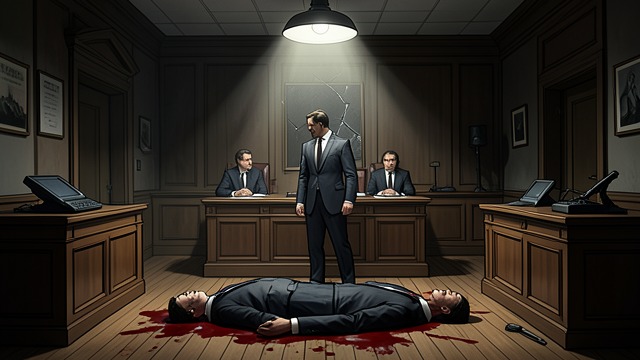
A Verdict by Force
The trial is cut short
Elliot and Nina Albrecht are murdered before the jury can decide whether the defense created reasonable doubt. The courtroom’s formal process is displaced by targeted violence.
Competing justice
The deaths may be linked to organized crime and to the Rilz family’s retaliation. Different actors impose different outcomes, each bypassing legal adjudication.
The Meaning of the Title
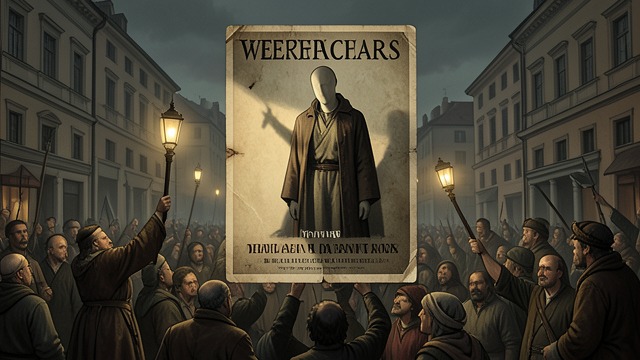
The Brass Verdict
A police phrase
Bosch explains that officers once used “the brass verdict” for a killing understood as street justice. The phrase names an outcome decided by violence rather than judge, jury, or appeal.
Justice that cannot wait
Haller has said that sometimes justice cannot wait, but the ending complicates that belief. When law is compromised or delayed, private punishment may arrive; it may feel decisive while remaining morally and legally unresolved.
During jury selection
Five months before the scheduled trial
The Thursday before the defense case
The night Elliot is killed
During Bosch’s final conversation with Haller
